Endangered Pygmy Raccoon Observed Turning Trash Into Toys, Teaching Behavior to Family
Scientific American reports the discovery marks a first documented case of such behavior among raccoons and their relatives.
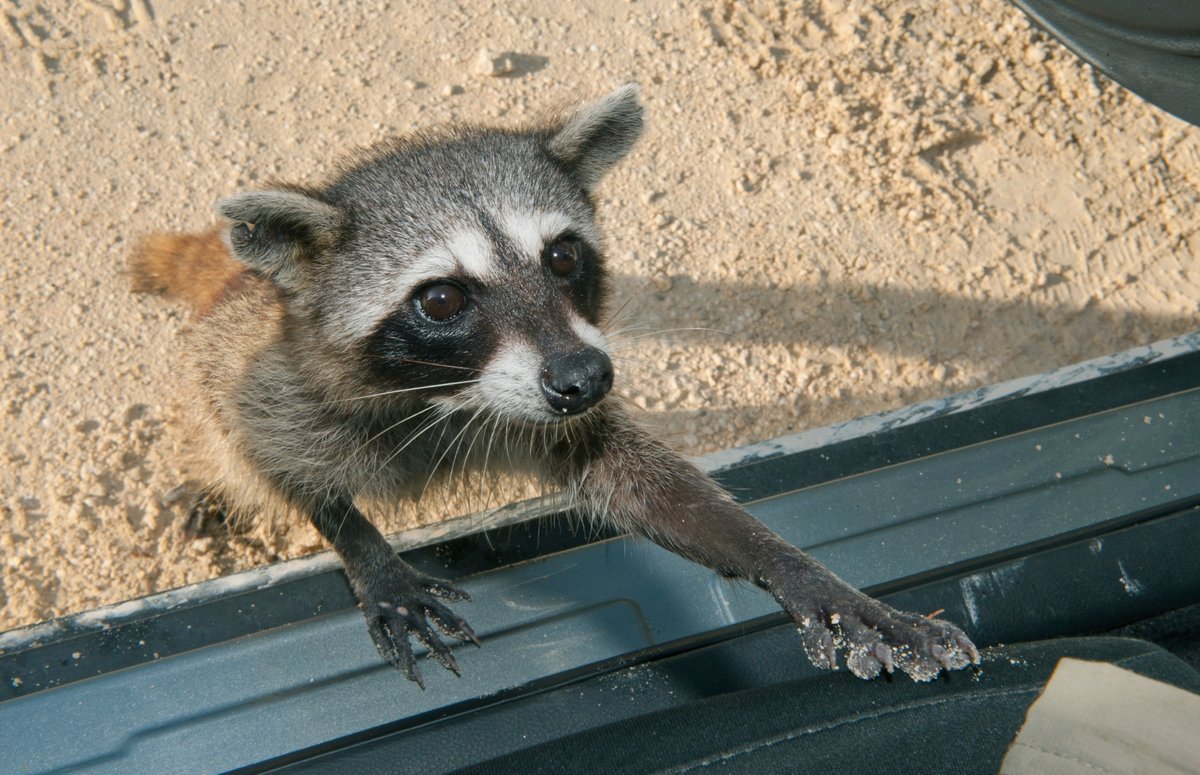
An endangered pygmy raccoon was observed turning discarded trash into toys and subsequently teaching the behavior to other members of her family, according to a report published by Scientific American.
The publication described the observation as a first documented instance of this kind of behavior among raccoons and their relatives, a group of mammals known collectively as procyonids.
Scientific American did not provide further details in the excerpt regarding the specific location of the observation, the identity of the researchers involved, or the methodology used to document the behavior.
The pygmy raccoon is classified as an endangered species. Further details about the study's scope, sample size, and publication venue were not included in the available excerpt from Scientific American.
EGazette has reached out to Scientific American for additional details on the research and will update this report as more information becomes available.
Sources
- An endangered pygmy raccoon turned trash into toys—and taught her family how, too — Scientific American
EGazette summarizes reporting from multiple sources; follow the links for the originals.
Related articles

Dolphins Observed Feeding on Vomit From Frightened Fish, Study Finds
Researchers report that some dolphins appear to terrify prey fish into regurgitating, then consume the resulting vomit as an easy meal.

Poison suspected in deaths of ten lions at Tanzania game reserve
The lions were discovered dead in the Ngorongoro Conservation Area, prompting wildlife officials to investigate.

Hummingbird Hawk Moths and Ivy Bees Reported Thriving as Temperatures Rise
BBC Science & Environment reports sightings of insects often mistaken for small birds, linked to warming conditions in parts of the UK
Hummingbird Hawk Moths Spotted Across West Midlands
Sightings of the bird-like moth, often mistaken for a hummingbird, have been reported in the region, according to the BBC.
New Tiger Cat Species Identified in Bolivia, First in Over a Century
Researchers have named Leopardus tilcayo, described as the first new living cat species to be identified and named in more than 100 years, according to Al Jazeera.
New Living Cat Species Identified for First Time in Over a Century
Al Jazeera reports scientists have identified a new species of living cat, the first such discovery in more than 100 years.
Comments
Loading comments…