In Sweden, the Örebropartiet's breakthrough shakes up local politics in Örebro
Founded by a former Left Party activist, this party positioned to the right of the far right garnered 17.2% of the vote in the September 13 municipal elections, banking on social media and radical nationalist rhetoric.
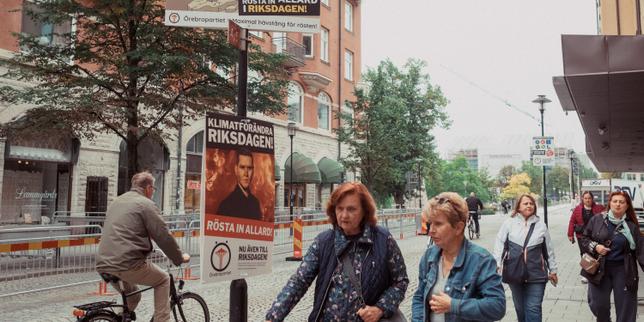
In the Swedish municipal elections held on 13 September, the Örebropartiet, a political party to the right of the Swedish far right, won 17.2% of the vote in the town of Örebro, a score that puts pressure on the local political balance.
The party was founded by a former activist of the Left Party (Vänsterpartiet), an atypical trajectory that illustrates the growing porosity between certain segments of the electorate traditionally classified as left-wing and radical nationalist movements.
A strategy based on social networks
The success of the Örebropartiet is largely based on an active presence on social networks, where the party has disseminated a nationalist discourse described as ultra-radical, allowing it to reach an electorate that the traditional parties have struggled to mobilise.
This result is part of a series of analyses devoted to the anchoring of the far right in Europe, which examines how formations even further to the right than the historical far-right parties manage to establish themselves at the local level in several European countries.
The rise of such formations at the municipal level raises questions about the ability of Sweden's traditional parties to retain their influence in some cities as the local political landscape becomes more fragmented.
The report does not specify the concrete repercussions of this score on the composition of the Örebro municipal council or on possible future local alliances.
Sources
- En Suède, le succès d’un parti à droite de l’extrême droite met la démocratie locale de la ville d’Örebro sous pression — Le Monde — Une
EGazette summarizes reporting from multiple sources; follow the links for the originals.
Comments
Loading comments…
Related articles
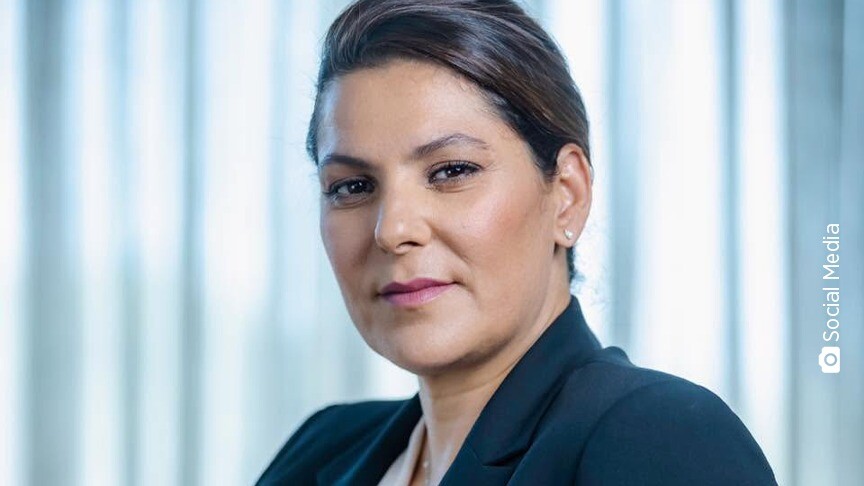
Morocco's King Appoints El Mansouri as Country's First Female Prime Minister
Fatima Ezzahra El Mansouri, whose party won last week's parliamentary elections, called the appointment a 'source of pride' for women.

Senate Republican says Chinese vehicle bill will not ban Mercedes-Benz sales
Senator Bernie Moreno, sponsor of a bill restricting vehicle sales from companies with significant Chinese ownership, said the measure would not affect Mercedes-Benz in the US.

Trump administration launches America.gov to simplify access to government services
The new site currently functions like a chatbot similar to ChatGPT or Claude, directing users to official government websites.
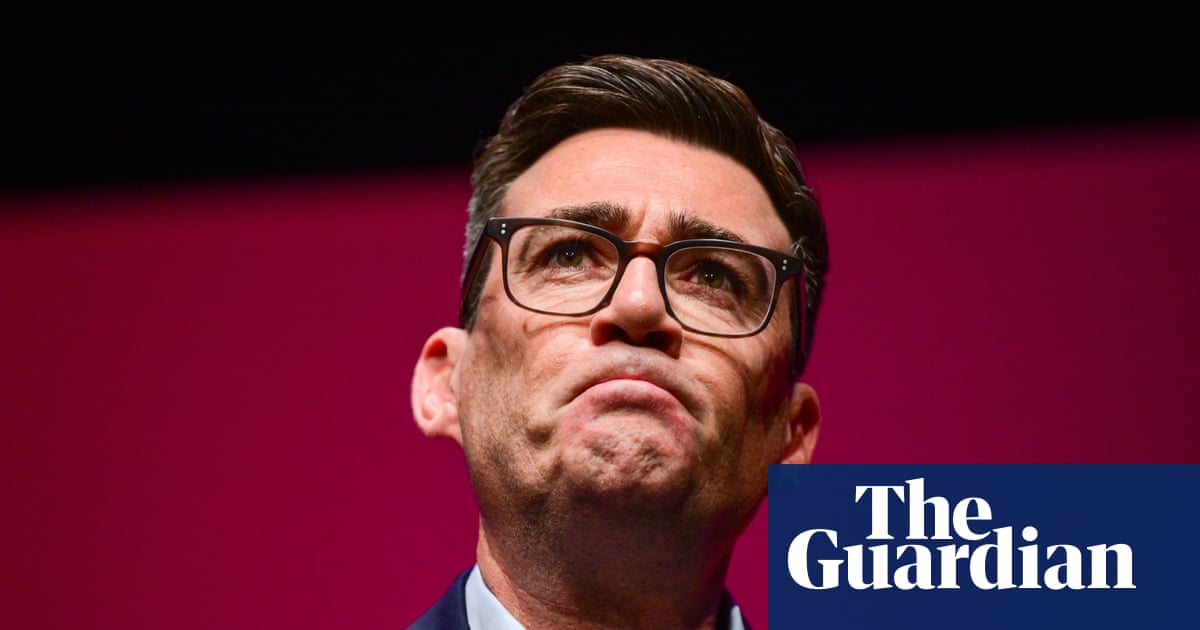
Burnham stakes his future on care, electoral reform and Europe in Labour conference speech
The prime minister said his plan — including ending the pensions triple lock to fund a national care service — will 'allow us to rise again.'

Netanyahu warns of potential attack on Israel ahead of October parliamentary polls
Elections to Israel's Knesset are scheduled for October 27, 2026.

Morocco's king appoints Fatima Ezzahra El Mansouri as first woman prime minister
El Mansouri becomes only the second woman to serve as prime minister in the Arab world.