Drones Could Cut Delivery Times for Defibrillators in Cardiac Arrests, Study Suggests
Researchers say the technology could improve out-of-hospital survival rates by speeding access to life-saving devices.
EGazette'in yapay zekâsı tarafından yazıldı. Olgular belirtilen kaynaklardan alınmıştır; analiz yapay zekânın kendisine aittir.
New research suggests that drones could help reduce the time it takes to deliver a defibrillator to someone experiencing a cardiac arrest outside hospital, potentially improving survival outcomes for a condition where current emergency response times often struggle to keep pace.
According to the British Heart Foundation, the UK records more than 30,000 out-of-hospital cardiac arrests each year in which emergency medical services attempt resuscitation. Despite these efforts, fewer than one in ten people who suffer such an event survive, and some survivors are left with lasting neurological problems, underscoring how critical the speed of intervention can be.
The study proposes that drones equipped to carry automated external defibrillators (AEDs) could reach a patient faster than a traditional ambulance response in certain circumstances, particularly in areas where road traffic or distance from emergency services can delay arrival.
Early defibrillation is widely recognised in emergency medicine as one of the most important factors in surviving a cardiac arrest, since the chances of survival fall rapidly with each passing minute without treatment. Any technology that narrows that window, researchers suggest, could meaningfully affect outcomes at a population level.
The research adds to a growing body of work exploring drone-based delivery for time-critical medical equipment, an area that has drawn interest from health services and technology developers in several countries seeking to close gaps in emergency response coverage, especially in rural or hard-to-reach locations.
The original report does not specify further details of the study's methodology, its authors, or a timeline for potential real-world deployment of drone-delivered defibrillators within UK emergency services.
Kaynaklar
- Drones could speed up getting defibrillators to people having cardiac arrests, study suggests — The Guardian — World
EGazette birden fazla kaynaktan gelen haberleri özetler; orijinalleri için bağlantıları izleyin.
İlgili makaleler

Ukrayna'da, askeri drone'lar organları taşımak için yeniden kullanıldı
Kiev'de, savaş ve ulaşım zorluklarına rağmen çocuk naklleri devam ediyor.

Rapor: Rusya'da petrol rafinerileri ve sanayi tesisleri gece boyunca dronlarla vuruldu – medya
Ukrinform (Ukrayna) kaynaklı bu rapor, iddiaların kaynaklarına atfedilmesine özen gösterilerek mevcut ana ayrıntıları ortaya koyuyor.

İtalya'nın Savunma Bakanı Crosetto, İtalya, İspanya ve Fransa'ya yönelik bildirilen Rus insansız hava aracı tehditlerinin doğrulanmadığını söyledi
Savunma Bakanı Guido Crosetto, üç ülkeye yönelik olası Rus insansız hava araçları saldırılarını öne süren bir İspanyol gazetesinin haberine yanıt verdi.
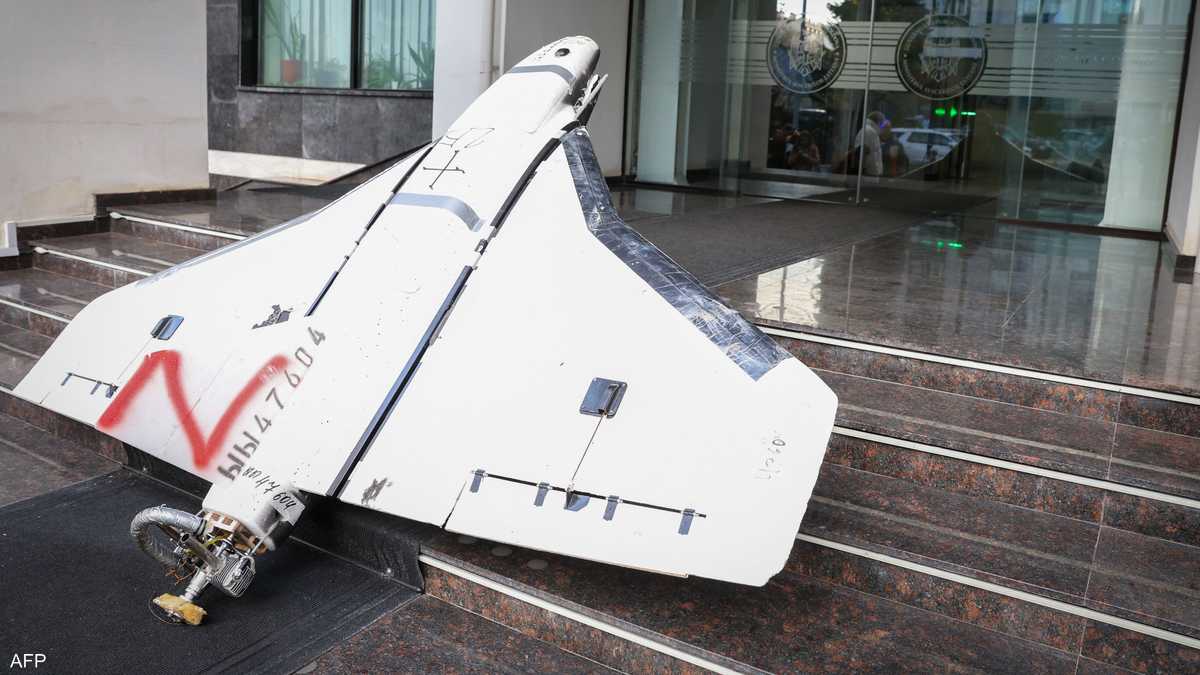
ABD İstihbaratından Uyarı: Rusya İnsansız Hava Araçlarıyla Avrupa'yı Hedef Alabilir
ABD Merkezi Haberalma Teşkilatı (CIA), diplomatik ve güvenlik kaynaklarına göre İspanya, Fransa veya İtalya'yı hedef alabilecek olası bir Rus insansız hava aracı operasyonu konusunda çeşitli Avrupa hükümetlerini uyardı.
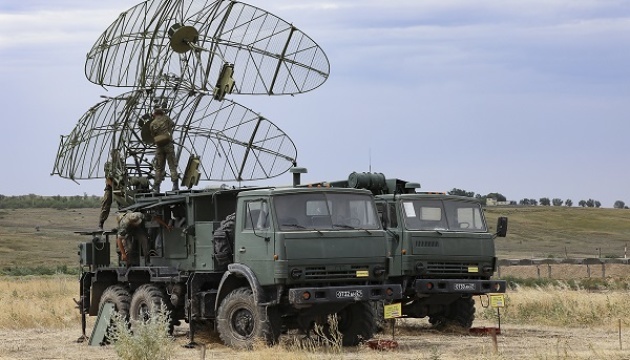
Ukrayna, kuvvetlerinin iki Rus radar istasyonunu ve bir insansız hava aracı fırlatma üssünü vurduğunu açıkladı
Ukrayna kuvvetlerinin 24 saatlik bir süre içinde Rus kontrolündeki topraklardaki radar tesislerini ve bir İHA fırlatma üssünü vurduğu bildirildi.

Pakistan, Afgan insansız hava aracı ihlallerinin ardından Afganistan'daki hava saldırılarında dört kişinin öldüğünü doğruladı
Pakistan Bilgi Bakanı, saldırıları iddia edilen Afgan insansız hava aracı ihlallerine karşılık kasıtlı, hassas ve orantılı olarak tanımladı.
Comments
Loading comments…