Djibouti Becomes 72nd Nation to Sign Artemis Accords
The East African country joined the U.S.-led framework for space exploration cooperation during a ceremony at NASA Headquarters

The Republic of Djibouti signed the Artemis Accords on Monday during a ceremony at NASA Headquarters in Washington, becoming the 72nd nation to join the international framework, according to NASA.
NASA said Djibouti is the eighth African country to sign the accords, which the agency describes as the first set of practical principles aimed at enhancing transparency, safety, and coordination among nations as they explore the Moon, Mars, and beyond.
According to NASA's announcement, the accords establish a common set of principles governing civil space exploration and use, building on the framework of existing international space law.
NASA did not immediately provide additional details on Djibouti's specific commitments or plans related to space exploration following the signing.
The Artemis Accords, first introduced in 2020, have grown to include a broad coalition of nations across multiple continents, as the United States seeks to establish shared norms for a new era of lunar and deep space exploration.
Sources
- NASA Welcomes Djibouti as Newest Artemis Accords Signatory — NASA Breaking News
EGazette summarizes reporting from multiple sources; follow the links for the originals.
Related articles
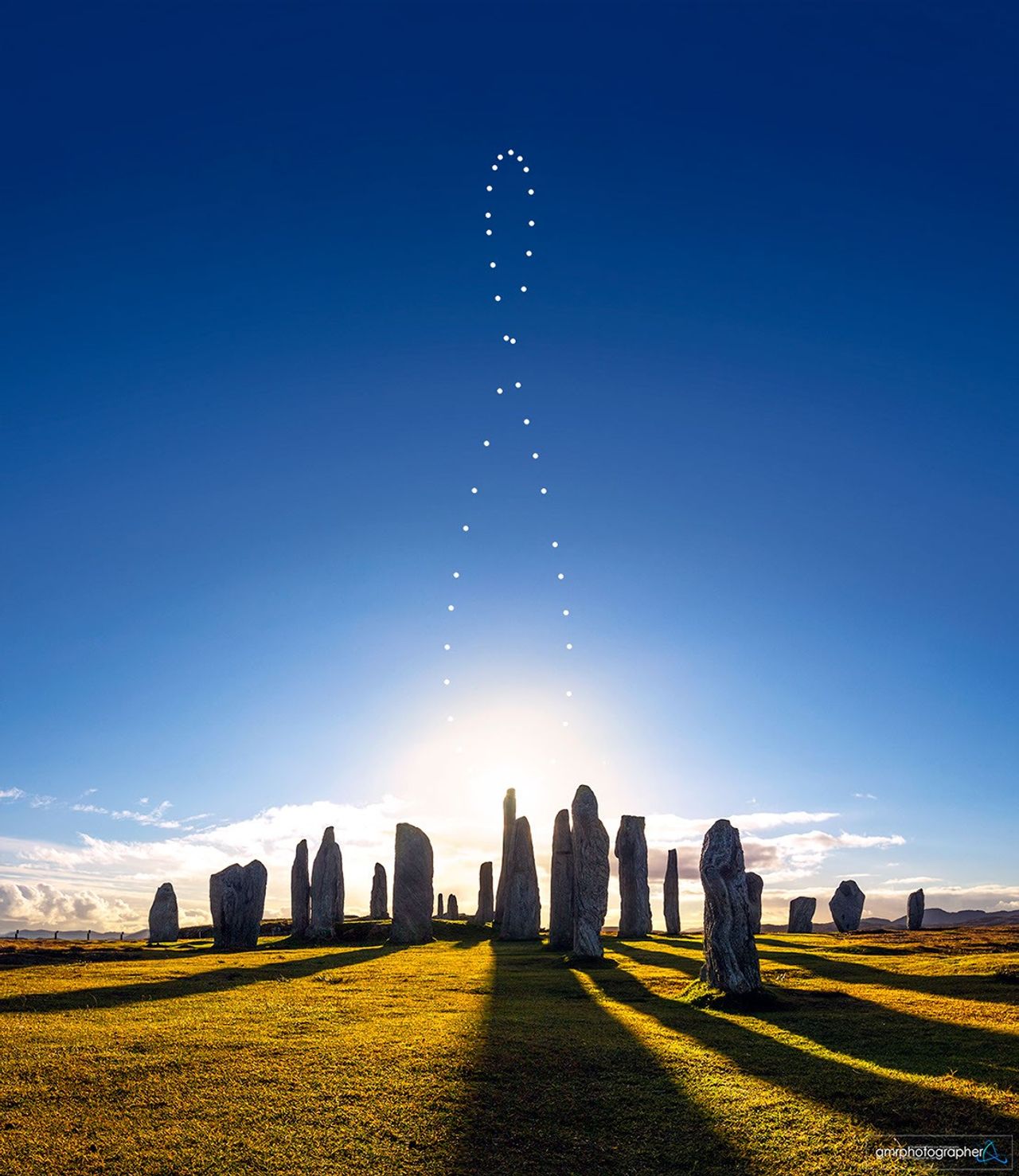
NASA's Astronomy Picture of the Day Features Analemma Over Scotland's Callanish Stones
The September 20, 2026 edition of NASA's long-running APOD series highlights a composite image showing the sun's yearly path above the ancient Callanish Stones.

BBC's 'Tech Now' Follows NASA Scientists Studying Solar Eclipse in Iceland
A new episode of the BBC technology programme features reporter Adrienne Murray accompanying NASA researchers examining a rare total solar eclipse.
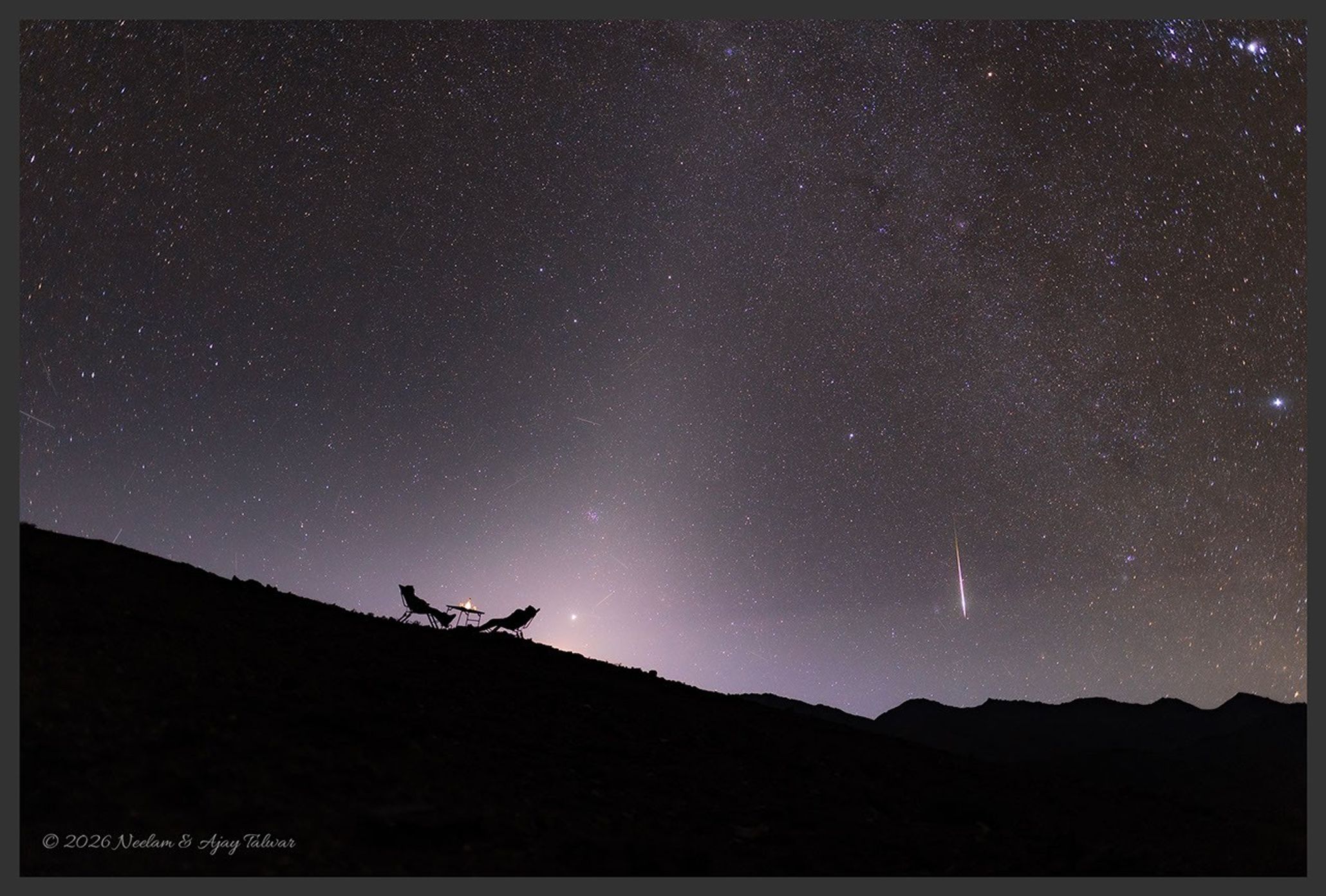
NASA’s Astronomy Picture of the Day to Feature “A Zodiacal Night” on September 19, 2026
The long-running NASA APOD series is set to showcase a night-sky image highlighting the zodiacal light, according to the program’s website.
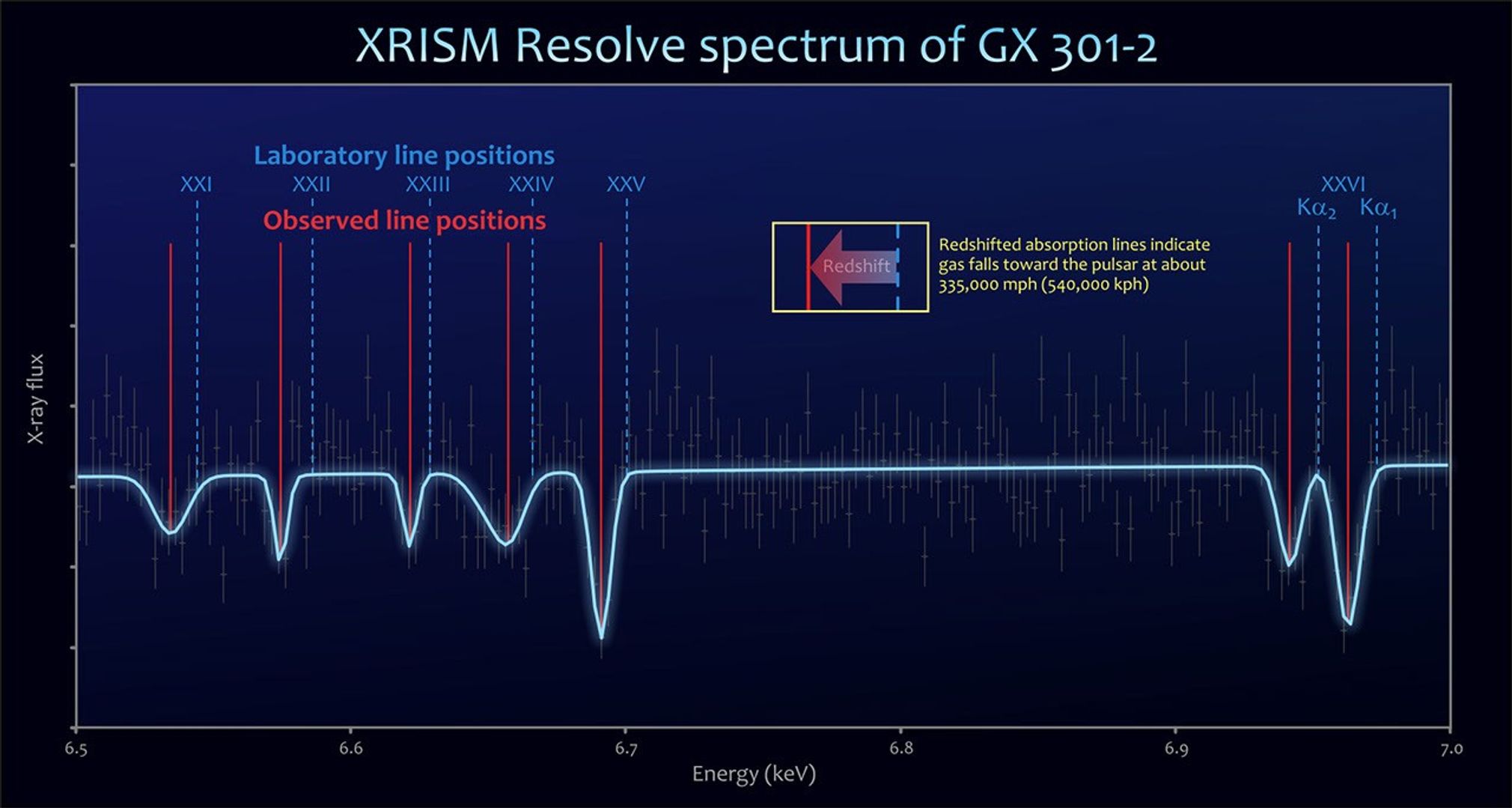
XRISM Mission Observes Pulsar Capturing Stellar Wind From Companion Star
Astronomers using the Japan-led XRISM X-ray observatory say they have directly observed a giant star's outflow being captured by a compact companion, powering intense X-ray flares.

NASA Awards SpaceX Three Additional Crew Missions to Space Station
Contract modification extends SpaceX’s role in ferrying astronauts to the International Space Station under NASA’s Commercial Crew Program
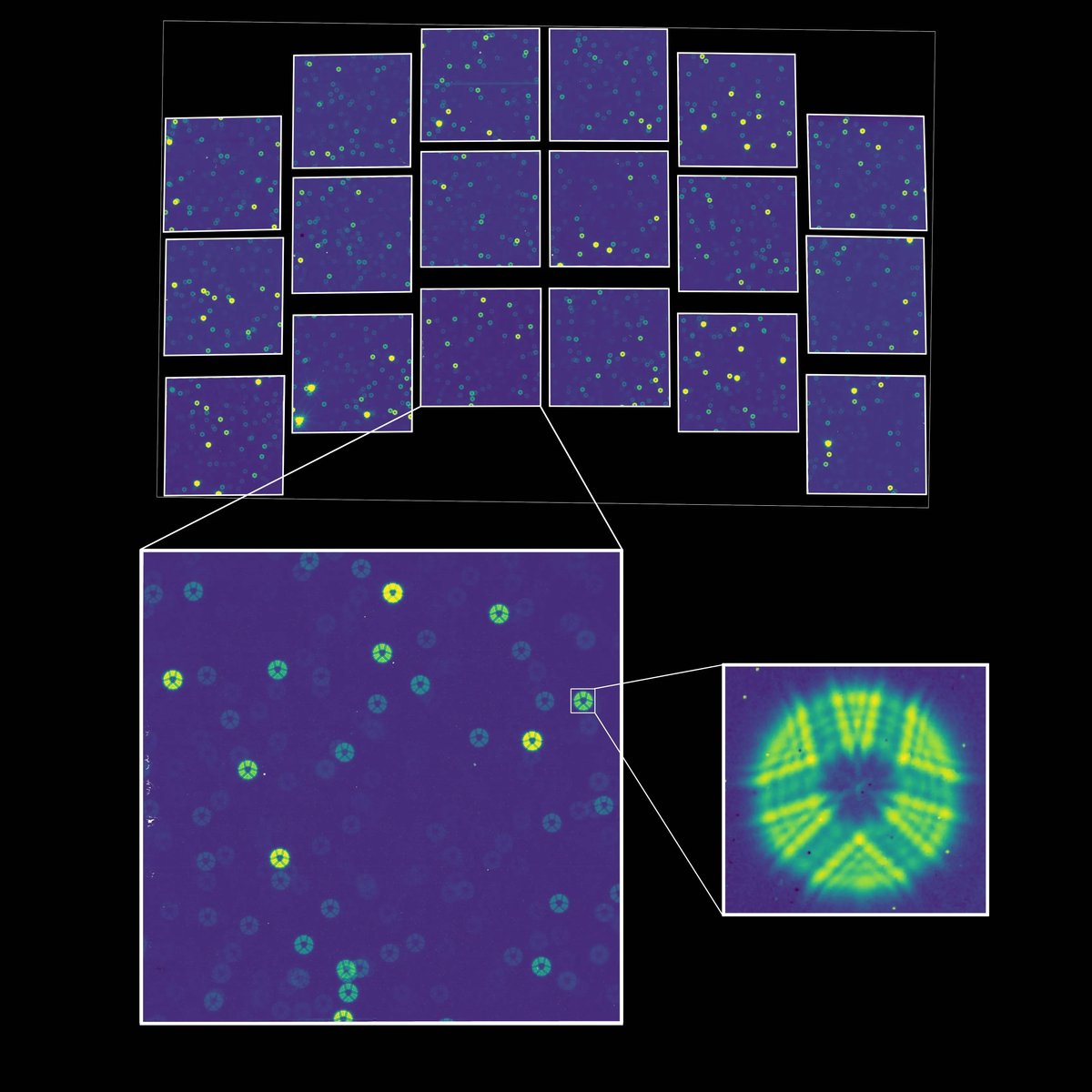
NASA's Nancy Grace Roman Space Telescope Captures First Light
The new observatory, designed to hunt for thousands of exoplanets and probe dark matter and dark energy, has recorded its first cosmic images, according to a report by Scientific American.
Comments
Loading comments…