Diesel prices have nearly doubled in a year, and chemistry helps explain why
Rising diesel costs are straining farmers, truckers and the broader US economy, with refining chemistry playing a key role in the price increase.
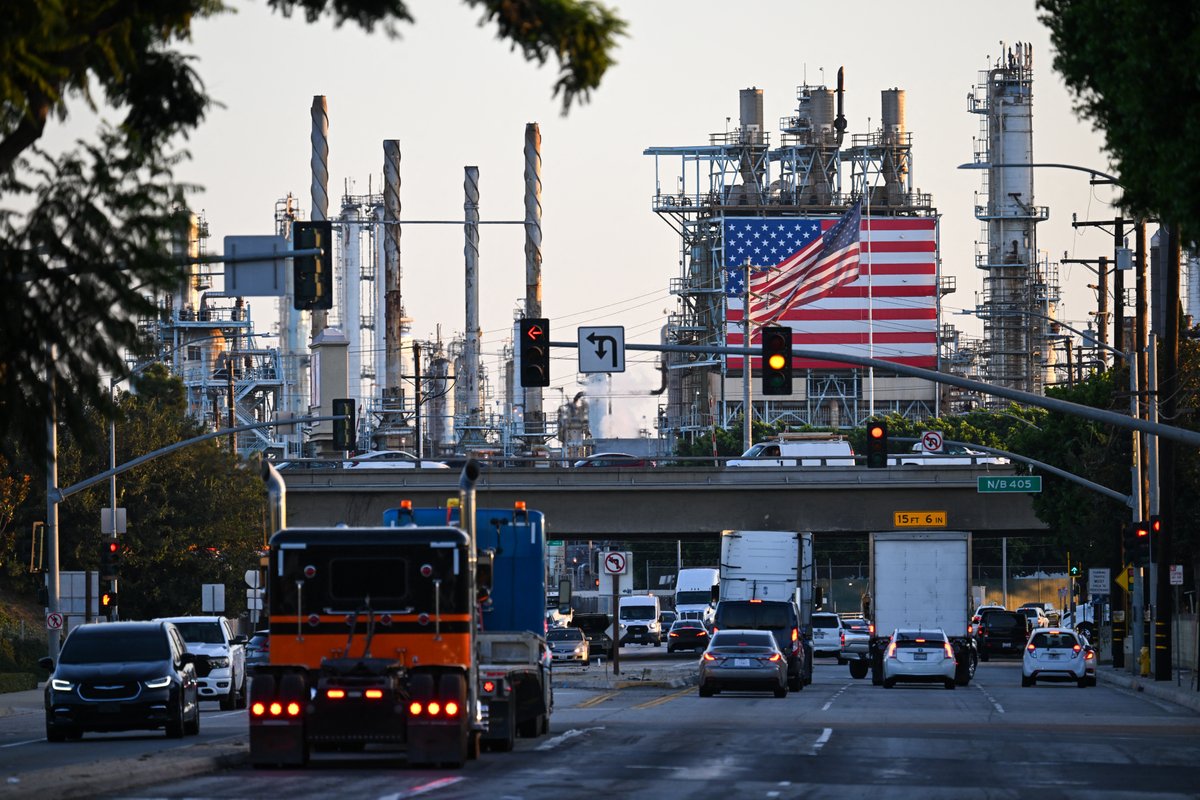
Diesel fuel prices in the United States have nearly doubled over the past year, creating financial strain for farmers, truckers and other sectors of the economy that rely heavily on the fuel, according to a report by Scientific American. The increase highlights how closely tied diesel costs are to the specifics of oil refining chemistry.
Diesel and gasoline are both refined from crude oil, but the two fuels are produced through different refining processes and are affected differently by changes in crude oil supply, refinery capacity and seasonal demand. Diesel's chemical composition, which includes a higher concentration of certain heavier hydrocarbons than gasoline, makes it more sensitive to shifts in the types of crude oil available and to constraints in refining capacity.
Wide-reaching economic effects
Because diesel powers a large share of the country's freight transport, agricultural equipment and industrial machinery, sharp increases in its price tend to ripple through the broader economy, raising costs for shipping goods, farming operations and construction work. Truckers and farmers, who depend on diesel as an operating necessity rather than a discretionary expense, are particularly exposed to these price swings.
Analysts point to a combination of factors, including refinery capacity constraints, shifts in global crude oil supply and seasonal demand patterns, as contributing to the recent surge in diesel prices. Because diesel is refined in smaller volumes relative to gasoline at many facilities, supply can tighten more quickly when demand rises or when refineries undergo maintenance or face disruptions.
The price increase adds to broader concerns about inflationary pressures affecting sectors dependent on transportation and heavy machinery, with knock-on effects likely for the cost of food and goods that rely on diesel-powered supply chains.
Sources
- Diesel fuel prices are rising—chemistry can help explain why — Scientific American
EGazette summarizes reporting from multiple sources; follow the links for the originals.
Related articles
Analysts Split on Motives Behind US-China Trade Truce Extension
Some observers call the extended truce largely symbolic, while others see it as a genuine step toward a more lasting trade agreement.

Economic pressures are driving up poverty rates among older Americans, new survey finds
An AARP survey highlights growing financial strain for adults over 50 in the years leading up to retirement, even as overall poverty rates have declined.
Trump Says Talks With Xi Jinping Went "Very Well"
US President Donald Trump described his meeting with Chinese President Xi Jinping as going very well as the two leaders emerged onto the White House South Lawn.
Student Loan Borrowers Sue Trump Administration Over Forgiven Debts Reappearing on Credit Reports
Borrowers say they suffered financial damages after loans they believed were forgiven years ago resurfaced on their credit records.

Pakistan's NIGAB Advances Biotechnology Research and Modern Agricultural Tools
NARC's director general said the National Institute for Genomics and Advanced Biotechnology is working to transform research across sectors.
Media Outlets Regain White House Access After Chaotic Standoff
A federal judge had ordered the White House to immediately restore access for three news outlets after they were initially turned away.
Comments
Loading comments…