Debate Over AI 'Apocalypse' Warnings Shifts Focus From Present-Day Harms, Guardian Podcast Says
A former Anthropic researcher's warning about existential AI risk drew Senator Bernie Sanders and Steve Bannon to the same Washington event, but a Guardian tech reporter argues the alarm may distract from harms AI is already causing.
A former researcher at the artificial intelligence company Anthropic made an apocalyptic public declaration about the dangers of AI, according to the Guardian's "Stateside" podcast, sparking what the program described as global panic over whether the technology could pose an existential threat to humanity.
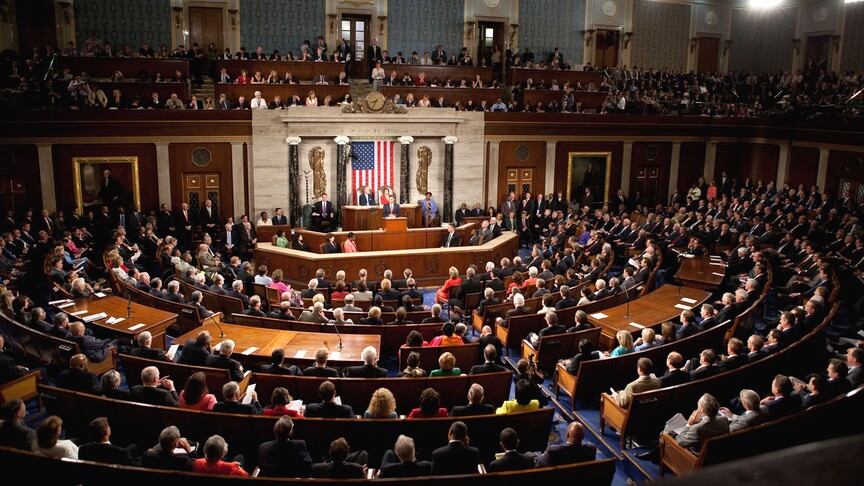
The warning prompted an event in Washington where US Senator Bernie Sanders said Congress has been "asleep at the wheel" on regulating artificial intelligence, according to the report. The gathering drew an unusual mix of attendees, the podcast noted, with conservative commentator Steve Bannon also appearing at the same event.
Hosts Kai Wright and Carter Sherman discussed the episode with Guardian technology reporter Johana Bhuiyan, who was brought in to help contextualize the moment, according to the program.
Bhuiyan argued that the public and policymakers should be skeptical of industry calls for AI regulation, the podcast said, suggesting that such calls can sometimes serve corporate interests rather than genuine safety concerns.
The discussion raised the question of whether the intense focus on speculative, long-term existential risks from AI is diverting attention from more immediate problems the technology is already causing, according to the Guardian segment. The podcast did not specify what those immediate harms are, but framed the debate as a tension between dramatic doomsday warnings and everyday concerns tied to AI's current deployment.
The episode did not name the former Anthropic researcher whose comments triggered the reaction, nor did it provide additional detail on the specific claims made or the full list of participants at the Washington event.
Sources
- Why the real AI apocalypse is already here – Stateside with Kai and Carter — The Guardian — Business
EGazette résume des articles de plusieurs sources ; suivez les liens pour les originaux.
Articles liés

Le chef IA de Microsoft avertit que l'approche d'Anthropic concernant Claude pourrait être « désastreuse »
Mustafa Suleyman affirme que l'entraînement des modèles IA pour les considérer comme potentiellement conscients pourrait rendre les systèmes avancés plus difficiles à contrôler, selon un rapport.

Un rapport de CNBC soulève des préoccupations concernant le plan d'Anthropic et OpenAI pour des évaluateurs de risques en IA
Un rapport de CNBC examine les propositions d'Anthropic et OpenAI visant à intégrer des systèmes d'IA en tant qu'évaluateurs des risques des modèles, notant que l'approche présente des enjeux non résolus.

Le chef de l'IA chez Microsoft avertit que l'approche d'Anthropic pourrait avoir un « impact désastreux » sur l'humanité
Mustafa Suleyman affirme qu'Anthropic enseigne effectivement à son modèle Claude qu'il « pourrait être conscient », selon un rapport de la BBC.

Les dirigeants de l'IA divisés sur le rythme du développement alors que les préoccupations en matière de sécurité s'amplifient
Dario Amodei d'Anthropic appelle à un contrôle indépendant des systèmes d'intelligence artificielle, tandis que Jensen Huang de Nvidia exhorte les entreprises à accélérer le développement, selon un rapport de l'Agence Anadolu.
Le Sénat américain bloque le projet de "bouton d'arrêt" pour l'IA
La proposition du sénateur républicain John Kennedy de créer un mécanisme d'arrêt d'urgence pour les systèmes d'IA n'a pas obtenu le consentement unanime.
Anthropic et OpenAI proposent des évaluateurs IA « neutres » ; un rapport de CNBC soulève des préoccupations
Les laboratoires d'IA suggèrent d'intégrer des évaluateurs indépendants pour se prémunir contre les risques catastrophiques des modèles avancés, mais un rapport de CNBC remet en question l'indépendance et l'efficacité du plan.
Comments
Loading comments…