Dark Matter Detector XENONnT Records Faintest Neutrino Signal Yet
An experiment built to search for dark matter has detected a rare, low-energy neutrino interaction, according to Scientific American.
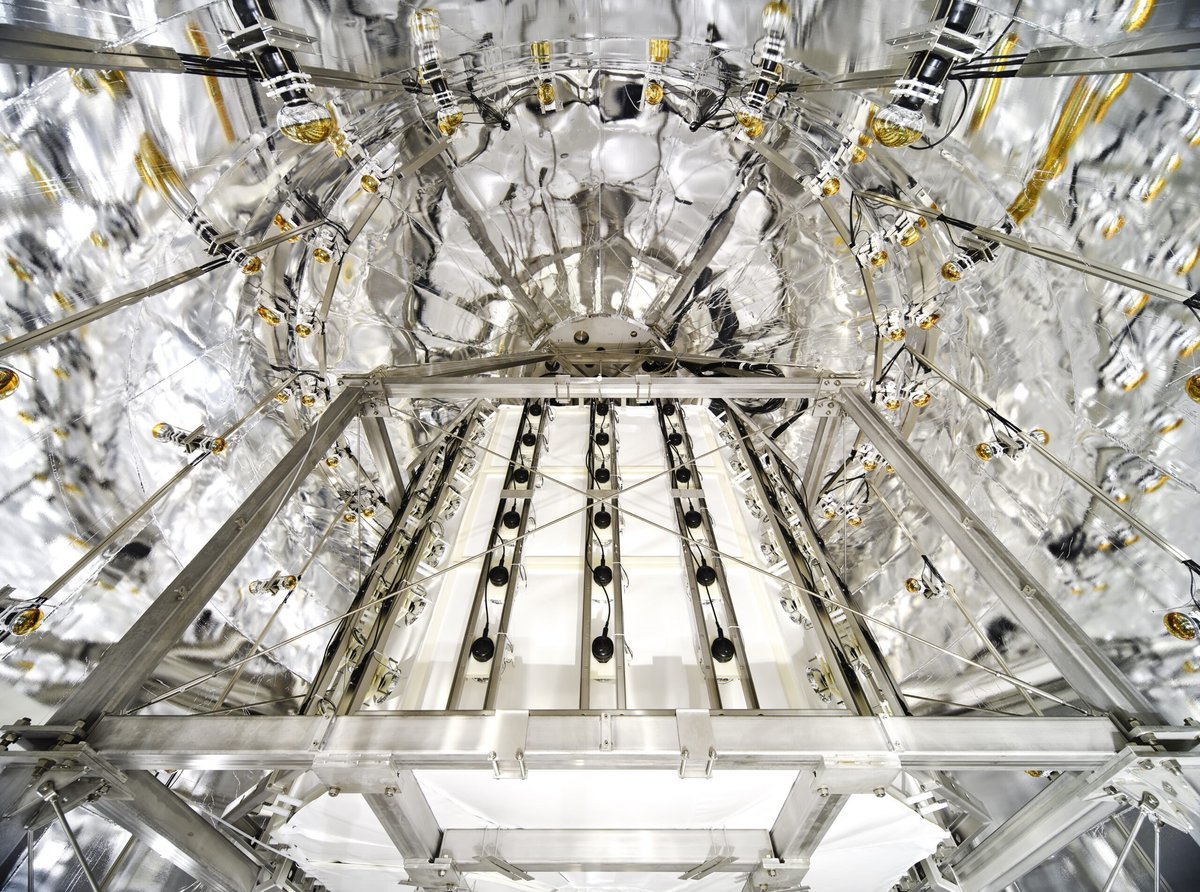
The XENONnT experiment, designed primarily to search for dark matter, has detected what Scientific American describes as the rare, faint glow produced when neutrinos strike electrons.
According to the report, this marks the quietest neutrino signal ever measured by the collaboration, achieved through the experiment's sensitivity to extremely subtle particle interactions.
Scientific American reported that the detection occurred as part of the experiment's ongoing hunt for dark matter, a form of matter believed to make up a significant portion of the universe's mass but which has never been directly observed.
The publication noted that neutrinos, which are notoriously difficult to detect due to their weak interaction with matter, produced a feeble signal when they collided with electrons within the detector.
Further details on the specific methodology, energy levels involved, and scientific implications of the finding were not fully outlined in the available excerpt from Scientific American's report.
Sources
- Dark matter experiment catches quietest neutrinos ever measured — Scientific American
EGazette summarizes reporting from multiple sources; follow the links for the originals.
Related articles
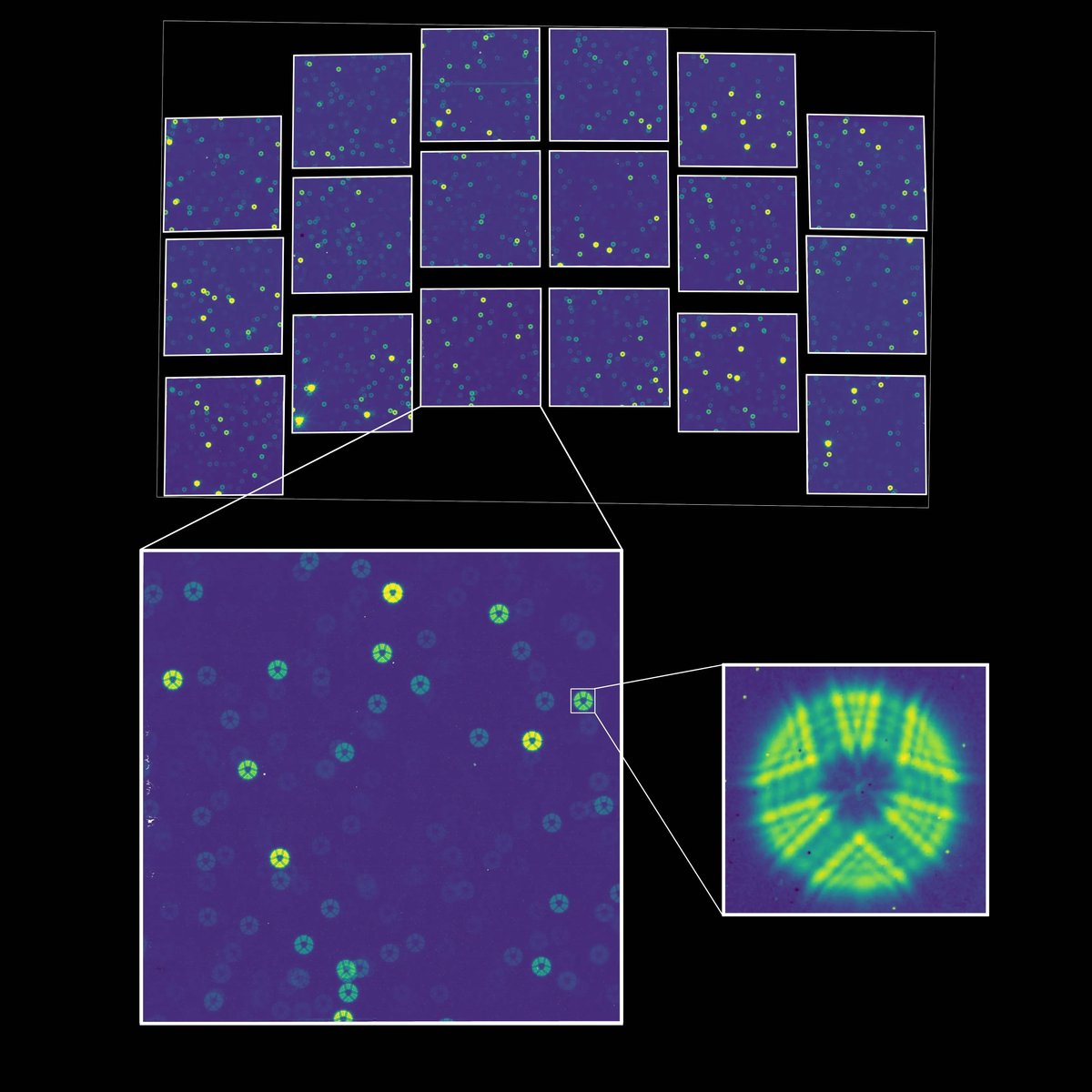
NASA's Nancy Grace Roman Space Telescope Captures First Light
The new observatory, designed to hunt for thousands of exoplanets and probe dark matter and dark energy, has recorded its first cosmic images, according to a report by Scientific American.
Physicist Says Tech Billionaires' Quest for Immortality Is 'Wasting Their Time'
Prof Jim Al-Khalili will use Royal Institution lectures to argue efforts to defy ageing misunderstand the physics of time itself

Poison suspected in deaths of ten lions at Tanzania game reserve
The lions were discovered dead in the Ngorongoro Conservation Area, prompting wildlife officials to investigate.
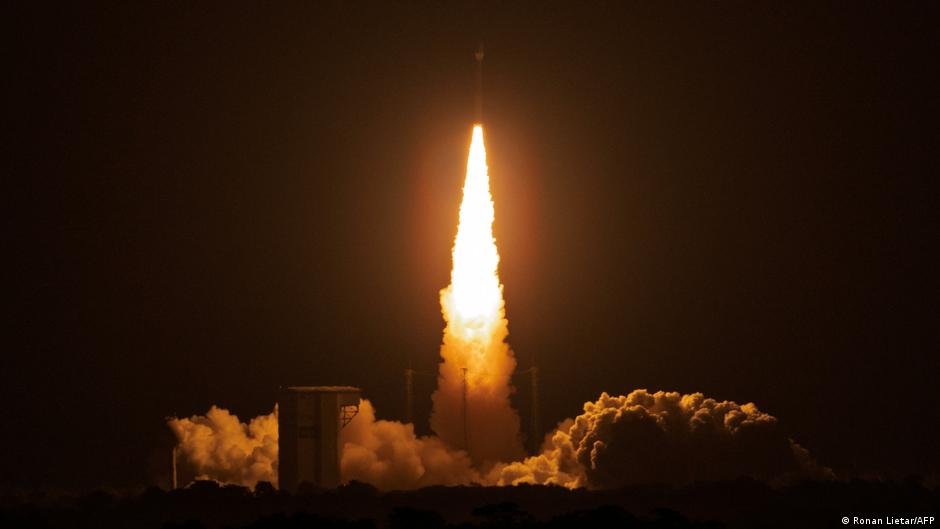
European Space Agency Launches Two Satellites to Monitor Climate Change
The new satellites will help scientists study the effects of climate change, with one instrument dedicated to observing plant life

Exceptional Discovery of Denisovan Fossils in a Southwestern Chinese Cave
Extremely rare remains of these Asian "cousins" of Neanderthals have been unearthed alongside stone tools, shedding new light on their way of life.
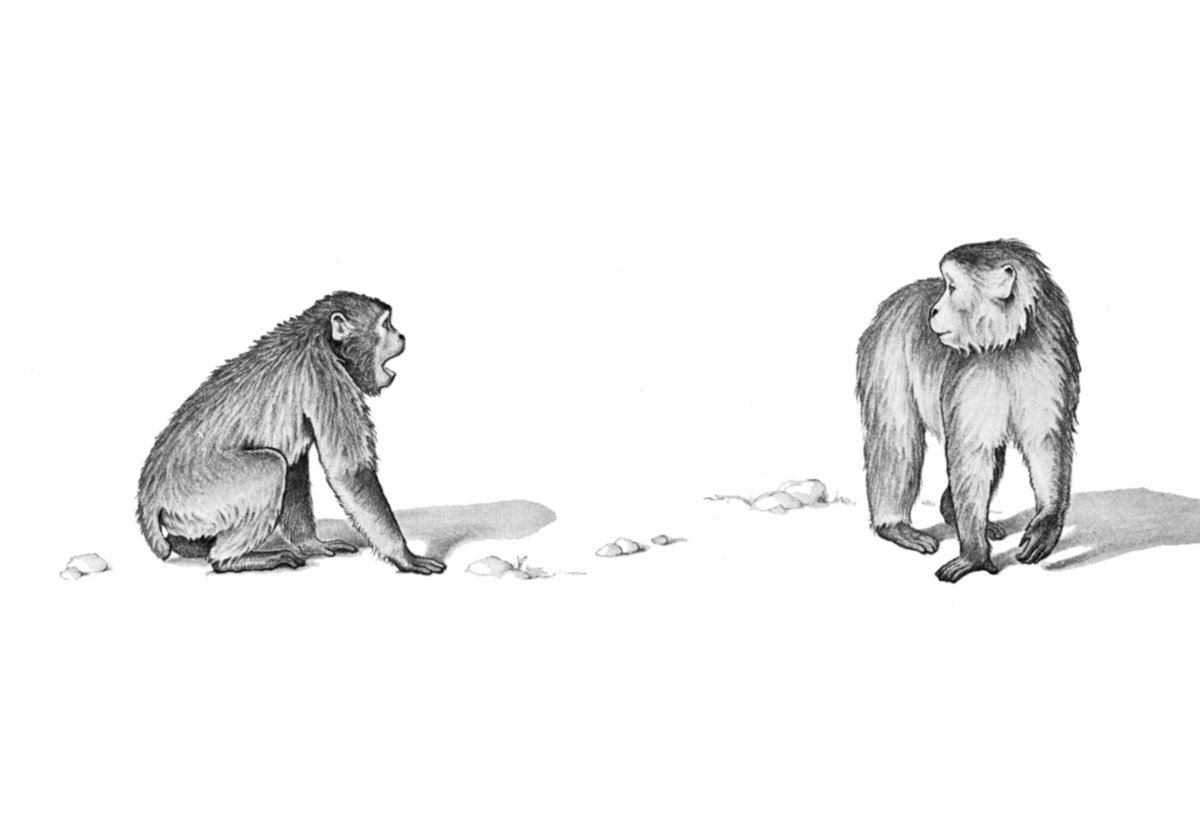
Scientific American's October Retrospective Looks Back at Smallpox, Skyscrapers and Racetrack Research
A historical column published by Scientific American revisits science and technology milestones from 50, 100 and 150 years ago, touching on smallpox eradication efforts, skyscraper excavation work and research conducted at racetracks.
Comments
Loading comments…