Can Iran redirect trade through the Caspian Sea as tensions strain Hormuz?
Tehran is seeking alternative export routes for its oil as the United States moves to blockade Iran's southern ports, according to Al Jazeera.
Written by EGazette’s AI. The facts are drawn from cited sources; the analysis is the AI’s own.
Iran is looking for alternative trade routes, including through the Caspian Sea, as the United States moves to blockade the country's southern ports, according to Al Jazeera.
The Strait of Hormuz, a critical chokepoint for global oil shipments, has long been central to Iran's exports, and any disruption to that route has significant implications for the country's oil-dependent economy.
Looking north for alternatives
The Caspian Sea, bordered by Iran along with Russia, Kazakhstan, Turkmenistan and Azerbaijan, offers a potential, if limited, alternative corridor for trade that does not rely on the same southern maritime routes currently facing pressure from US measures.
Shifting significant volumes of oil exports northward would likely require substantial infrastructure and logistical adjustments, given that Iran's existing export terminals and pipeline networks are predominantly oriented toward the Gulf and the Strait of Hormuz.
The report does not specify the scale of any current shift toward Caspian routes or provide a timeline for such a transition, leaving open how significant an alternative the northern route could realistically become for Iran's oil trade.
Sources
- Can Iran shift trade north to Caspian Sea as war impairs Strait of Hormuz? — Al Jazeera — All
EGazette summarizes reporting from multiple sources; follow the links for the originals.
Comments
Loading comments…
Related articles
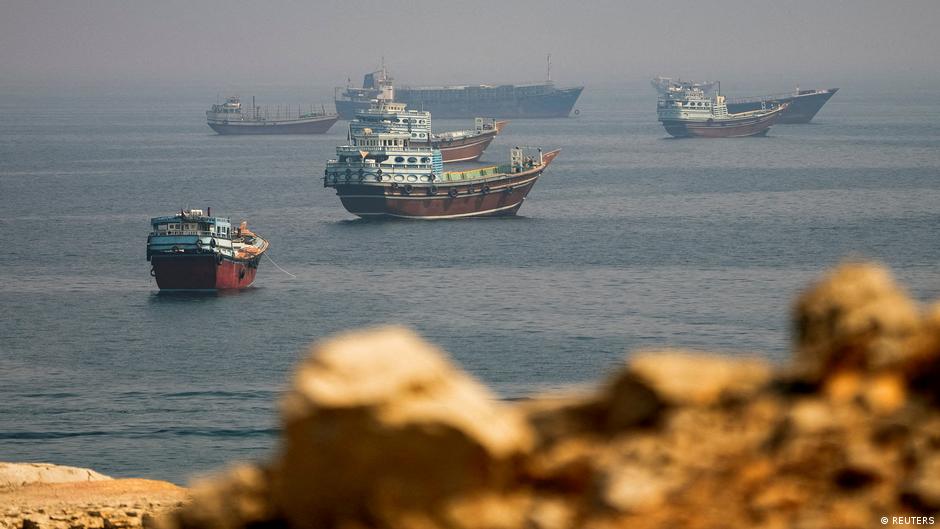
Iran Says It Has Not Received Formal Rejection of Hormuz Plan Despite Trump's Comments
Iranian officials say they are aware of President Trump's public comments rejecting Tehran's plan for the Strait of Hormuz but have not received any formal message to that effect.

Iran says Strait of Hormuz reopening depends on conditions set by security council
Foreign Minister Araghchi said Tehran remains open to diplomacy while stressing Iran's rights over the strait.
Araghchi says New York talks centered on Hormuz reopening conditions
Iran's foreign minister said presenting Tehran's terms for reopening the Strait of Hormuz was the focus of his meetings at the UN.
Iran's Hormuz authority warns ships against using unauthorized routes
The Persian Gulf Strait management authority said charterers forcing vessels off approved paths through the Strait of Hormuz will be added to a non-compliance list.
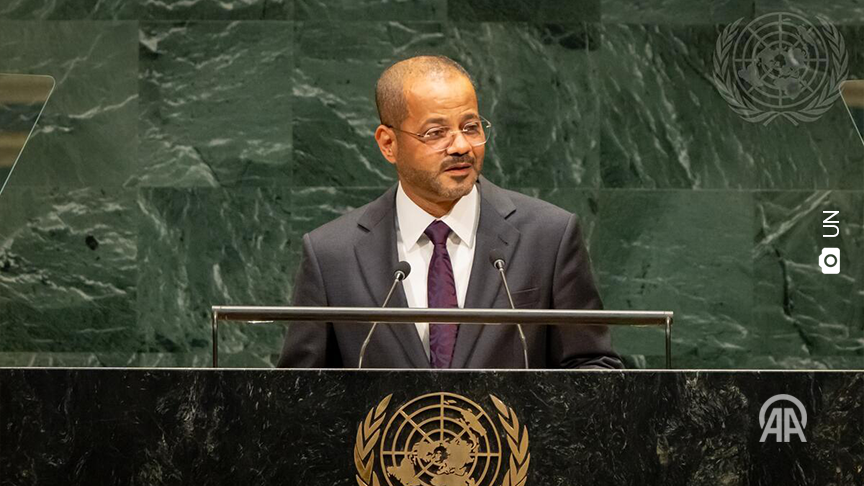
Oman pledges to safeguard Strait of Hormuz navigation, urges Iran-US settlement
Foreign Minister Badr Albusaidi also reiterated Oman's support for a political settlement in Yemen, according to Anadolu Agency.

Iran says it is still awaiting mediators' response on Hormuz proposal, sidesteps Trump remarks
Foreign Minister Abbas Araghchi says Tehran is waiting for an official U.S. response to its proposal to reopen the Strait of Hormuz, according to Al Jazeera.