Can Bioengineered Bacteria Help Terraform Mars? Experts Are Divided
Nonprofit start-up Pioneer Labs says it has created the first 'microbe for Mars,' but other scientists question whether the claim holds up.
Написано ИИ EGazette. Факты взяты из указанных источников; анализ — собственный вывод ИИ.
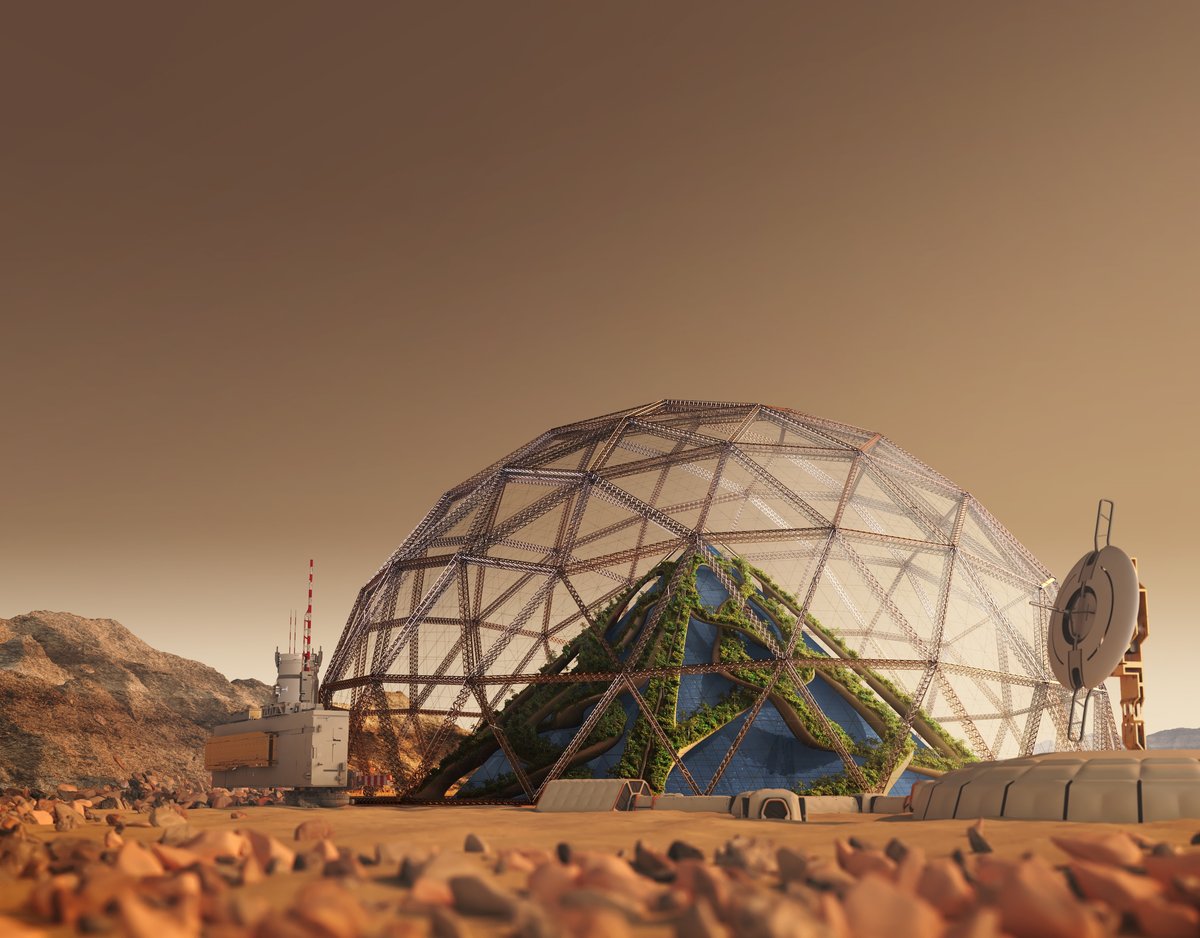
A nonprofit start-up called Pioneer Labs says it has developed what it describes as the first-ever ‘microbe for Mars,’ a bioengineered bacterium intended to withstand the Red Planet's harsh conditions as a potential step toward future terraforming efforts.
The claim has drawn attention within the scientific community, though not universal acceptance. Other experts in astrobiology and synthetic biology have expressed skepticism about the extent to which such engineered microbes could realistically survive, let alone meaningfully alter, the Martian environment.
The Challenge of Terraforming
Terraforming Mars, the long-theorized process of transforming the planet's atmosphere and surface to make it more hospitable to Earth-like life, remains a largely speculative endeavor given Mars's thin atmosphere, extreme cold, high radiation exposure and lack of a protective magnetic field.
Proponents of using engineered microbes argue that hardy, genetically modified bacteria could, in principle, begin altering soil or atmospheric chemistry over very long timescales, serving as an early step in a much larger and still largely theoretical process.
Skeptical experts counter that even if such organisms could survive Martian surface conditions, the scale of environmental change required to meaningfully terraform the planet would likely take centuries or longer, and involves far more variables than microbial activity alone, including atmospheric pressure and radiation shielding.
The debate over Pioneer Labs' claims reflects a broader tension in the emerging field of astrobiology between ambitious proposals for extending life beyond Earth and the rigorous scientific scrutiny such claims typically require before being accepted as viable.
No independent verification of Pioneer Labs' specific microbial engineering claims has been reported at this stage.
Источники
- Can bioengineered bacteria help terraform Mars? — Scientific American
EGazette резюмирует материалы из нескольких источников; переходите по ссылкам к оригиналам.
Комментарии
Загрузка комментариев…
Похожие статьи

NASA изучает Шотландское нагорье в поисках ключей к разгадке жизни на Марсе
Американское космическое агентство сообщает, что древние горные породы в Клахтолле имеют сходство с образованиями, обнаруженными на Красной планете.
У берегов Камчатки произошло землетрясение магнитудой 6,2
О сейсмическом событии сообщила камчатская служба Геофизической службы РАН.

Впервые учёные зафиксировали радиосигнал от экзопланеты
Астрономы зафиксировали радиоволны, исходящие непосредственно от планеты за пределами нашей Солнечной системы; открытие указывает на возможное наличие мощного магнитного поля вокруг неё.

Будущий телескоп НАСА сможет обнаруживать радугообразные явления на далёких экзопланетах
Учёные говорят, что готовящийся к запуску космический телескоп может оказаться способен выявлять атмосферные оптические эффекты, схожие с радугой, на планетах, вращающихся вокруг других звёзд.
Кыргызстан запустил первый национальный спутник с американской базы в Калифорнии
Спутник стартовал с базы Военно-космических сил Вандерберг, пока президент Кыргызстана Садыр Жапаров находился с официальным визитом в США.

Лето 2026 года стало самым жарким за всю историю наблюдений в Западной Европе, не вызвав значимой политической реакции
По данным Copernicus, средняя летняя температура в регионе достигла 21,7 °C, значительно превысив исторические нормы, а уровень воды в реках опустился до минимума за более чем тридцать лет.