California May Roll Back Net Neutrality Law Under Pressure From Trump Administration Broadband Rules
State officials are reportedly considering weakening California's net neutrality protections after federal broadband grant conditions barred states from enforcing such laws, according to Ars Technica.

California may scale back its state net neutrality law in order to comply with conditions attached to federal broadband funding under the Trump administration, according to a report published by Ars Technica.
The report states that grants tied to broadband expansion programs administered under the Trump administration include a condition forbidding states from enforcing their own net neutrality laws. California, which passed one of the strongest state-level net neutrality statutes in the country in 2018, is reportedly among the states now weighing changes to its law in order to remain eligible for the federal funding.
Net neutrality rules generally require internet service providers to treat all internet traffic equally, without blocking, throttling, or prioritizing certain content or services for payment. California's law was enacted after the Federal Communications Commission repealed federal net neutrality protections during the first Trump administration, and it has served as a model for similar legislation in other states.
According to Ars Technica, the prospect of gutting the state law reflects a broader tension between federal broadband funding conditions and state-level consumer protection statutes. The report did not specify further details of the legislative process, the exact scope of proposed changes to California's law, or a timeline for any decision.
Ars Technica's report indicates that the situation remains developing, and it is not yet clear whether California lawmakers will ultimately move to amend or repeal parts of the state's net neutrality statute, or how other states with similar laws might respond to the same federal funding conditions.
Sources
EGazette summarizes reporting from multiple sources; follow the links for the originals.
Related articles

Trump Reportedly to Create Board With Power to Veto NIH Research Grants
An expected executive order would give a new board oversight of National Institutes of Health funding decisions, according to reports citing administration discussions.
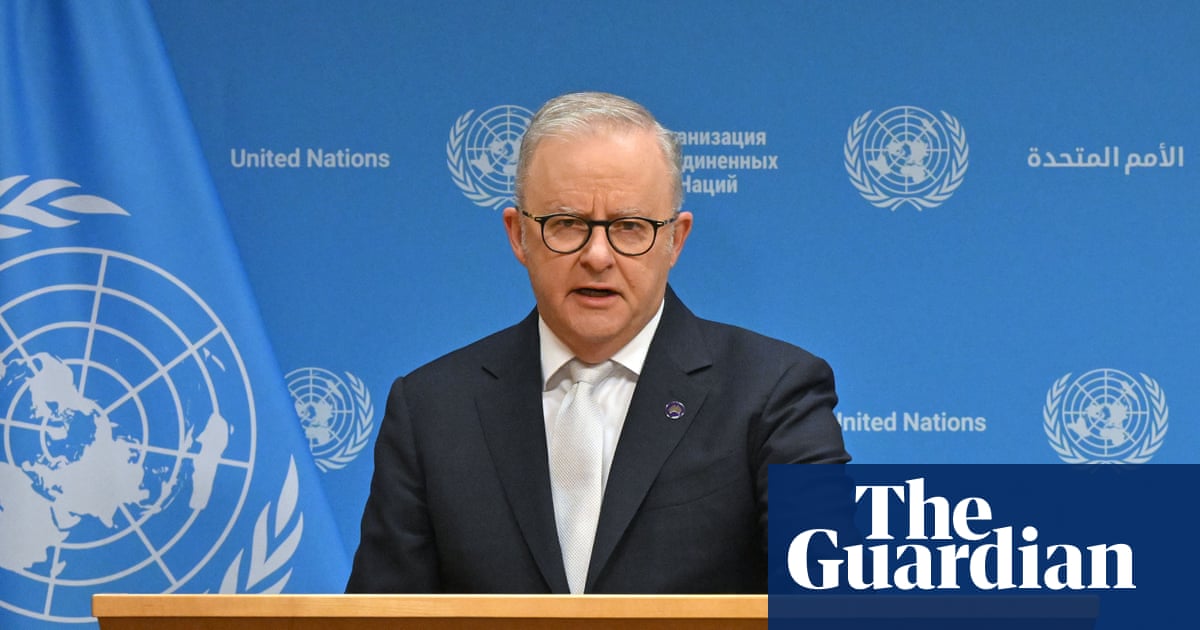
Albanese launches Australia's bid for UN Security Council seat, names former Murdoch aide as New York consul general
Prime Minister Anthony Albanese announced Australia's formal candidacy for a two-year term on the UN Security Council in 2029–2030, concurrent with appointing Siobhan McKenna, a former News Corp broadcasting executive, as consul general to New York.
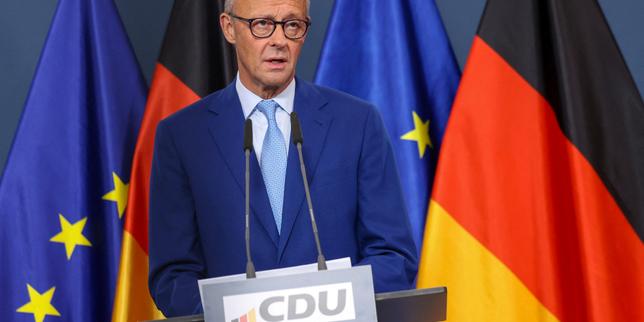
In Germany, Friedrich Merz's CDU suffers historic defeat in Eastern state
For the first time since 1949, the Christian Democratic Union has fallen below the 5% threshold in a regional election, the minimum required to gain seats in the local parliament.
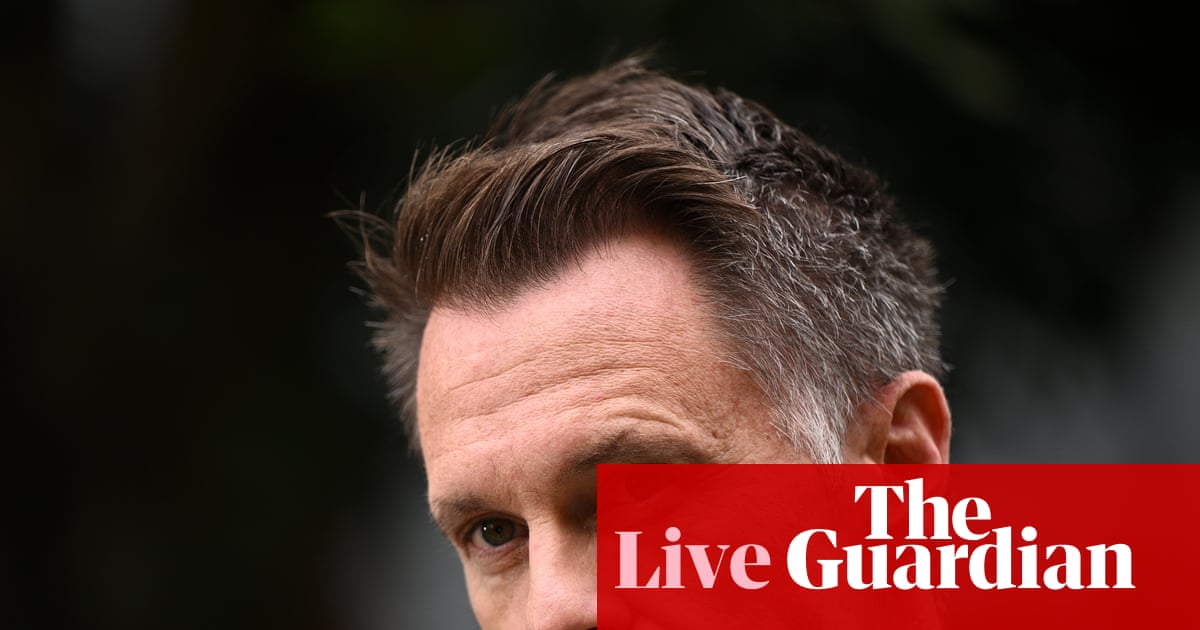
Australian Opposition Defends Fuel Excise Cut Plan Amid Cost-of-Living Debate
Shadow energy minister Dan Tehan says the Coalition's proposed 50% fuel excise reduction when oil exceeds US$100 per barrel is a sensible measure to address cost pressures.

CDU Wins Just 4.9% in Mecklenburg-Western Pomerania, Election Body Says
The state election commission reported a sharp drop in support for Chancellor Friedrich Merz's party in the northeastern German state

United Russia Leads Preliminary Vote Count With Half of Ballots Processed
Russia's Central Election Commission reports early results showing the ruling party ahead, with the Communist Party in second place, according to TASS.
Comments
Loading comments…