Brazil Heads to the Polls in Tightly Contested Election With Global Stakes
Brazilians are voting in a knife-edge presidential race that observers say could reverberate well beyond the country's borders amid rising U.S.-China rivalry and mounting debt pressures.
Written by EGazette’s AI. The facts are drawn from cited sources; the analysis is the AI’s own.

Brazil is holding a presidential election widely described as one of the closest in recent memory, with the outcome expected to carry implications that extend far beyond South America's largest economy.
The vote comes at a moment when Brazil, like many emerging economies, finds itself navigating intensifying competition between the United States and China for trade, investment and diplomatic influence. Brazil is one of the world's largest exporters of agricultural commodities and raw materials, making its foreign and trade policy choices closely watched by both Washington and Beijing.
The election also unfolds against a backdrop of concerns over government debt levels, a recurring theme in Brazilian politics in recent years as policymakers have weighed spending commitments against fiscal sustainability.
Brazil's presidential system requires a candidate to win an outright majority to avoid a runoff, a mechanism that has shaped campaign strategy in previous elections. A tightly divided electorate, as described in initial reporting on this race, raises the possibility that the contest could again be decided in a second round.
International observers, trading partners and financial markets are expected to watch the results closely, given Brazil's weight in global commodity markets and its role in regional diplomacy. Brazil's last several election cycles have drawn significant international attention due to the polarized nature of its politics, and this year's race is being framed by early coverage as similarly consequential for the country's economic and diplomatic direction over the next term. Further details on specific candidates and vote tallies were not included in the available report.
Sources
EGazette summarizes reporting from multiple sources; follow the links for the originals.
Comments
Loading comments…
Related articles

Making politics 'fun, trendy, sexy': How Gen Z could shape Kenya's next election
A voter mobilisation campaign has registered large numbers of young Kenyans, though it remains unclear which candidates they will support.

Brazilian government calls for probe into reported US funding of far-right causes
A report alleging the Trump administration directed funds toward right-wing groups has surfaced ahead of Brazil's presidential election.

Arab-Israeli party leader withdraws from Knesset election bid
Balad leader Sami Abu Shehadeh has pulled out of the October 27 election race.
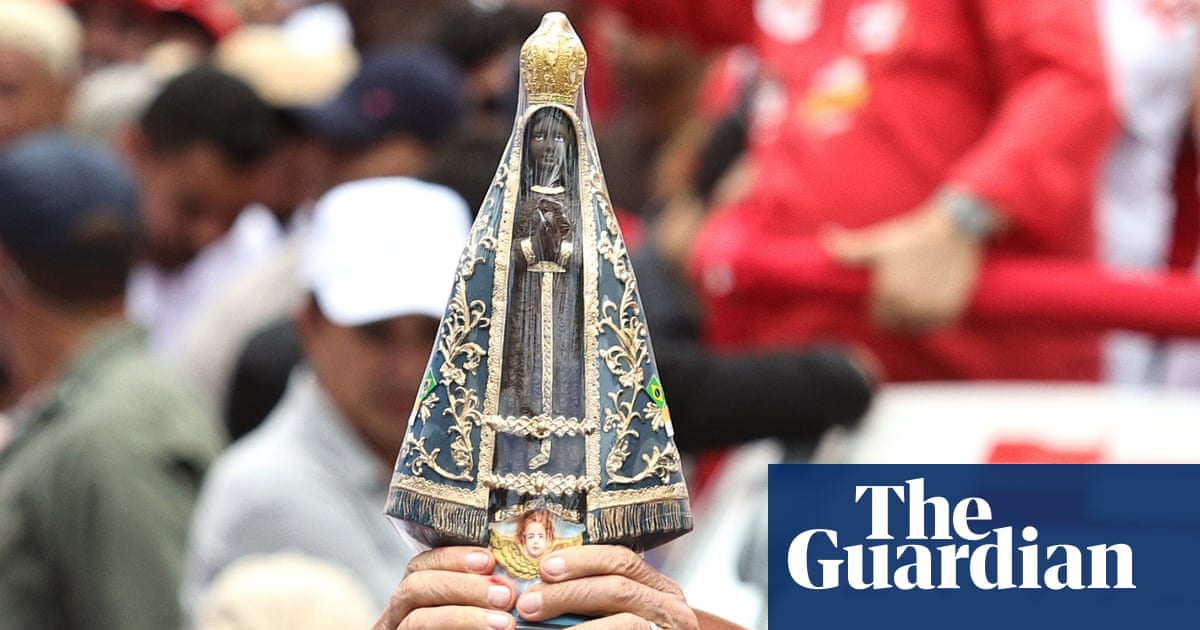
Brazil's patron saint becomes flashpoint in tight presidential election
Speculation that Flávio Bolsonaro could move to alter the status of Our Lady of Aparecida has stirred controversy days before a deadlocked runoff vote.

What to know about Brazil's tight presidential race between Lula and a Bolsonaro
Voters are preparing to choose between incumbent President Luiz Inácio Lula da Silva and the son of former President Jair Bolsonaro in a closely watched election.
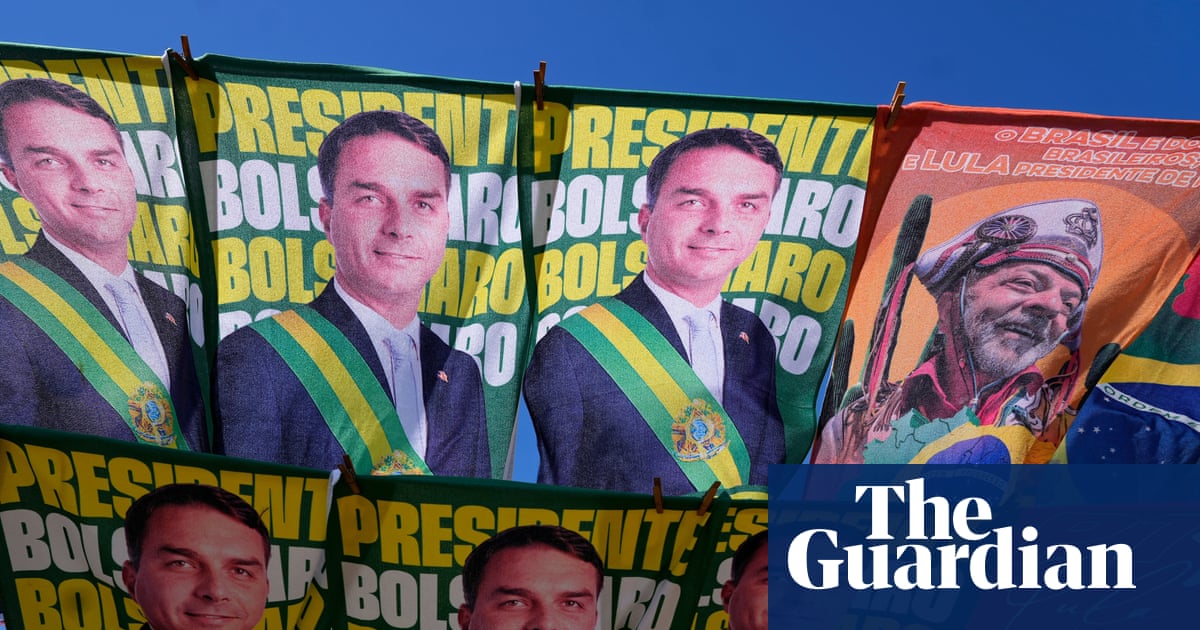
Flávio Bolsonaro's presidential bid keeps his father's political legacy alive in Brazil
A year after Jair Bolsonaro's conviction for attempting a coup appeared to end his political career, his son Flávio has emerged as a genuine contender in Brazil's presidential race, campaigning in part to secure his father's release.