Book Review: Economist Daniel Susskind Makes Case for Embracing AI in Education
A new book, 'What Should My Children Do?', argues parents and educators should welcome artificial intelligence in classrooms rather than resist it, drawing parallels to historical fears about calculators.

A newly published book by economist Daniel Susskind argues that artificial intelligence presents educational opportunities that parents and teachers should embrace rather than fear, according to a review published by The Guardian.
The book, titled "What Should My Children Do?", is described in the review as "refreshingly optimistic" in its approach to technology's role in classrooms.
The review draws a historical parallel to 1979, when the UK government commissioned Wilfred Cockcroft, a mathematics lecturer at the University of Hull, to produce a report addressing what was then described as a crisis in mathematics education. According to the review, Cockcroft's report included a chapter examining the calculator, a technological innovation becoming widely available to consumers at the time.
The review notes that many parents and teachers at the time feared calculators would undermine basic arithmetic skills, one of the traditional "three Rs" considered foundational to education. Critics worried the devices would produce generations of students who relied on gadgets rather than developing fundamental mathematical abilities, the review states.
Susskind's book uses this historical episode as a lens through which to examine contemporary debates about AI in education, according to the review. The reviewer characterizes the book's overall stance as encouraging readers to consider the potential benefits of AI tools in learning environments rather than approaching them primarily with apprehension.
The review was published in The Guardian's Culture section on September 9, 2026.
Sources
- What Should My Children Do? by Daniel Susskind review – the case for embracing tech in the classroom — The Guardian — Culture
EGazette summarizes reporting from multiple sources; follow the links for the originals.
Related articles

Gaza Students Persist in Tech Studies Despite Equipment Shortages, Report Says
Al Jazeera reports that students in Gaza are continuing to pursue technology education even as the territory's IT sector remains crippled by years of conflict.
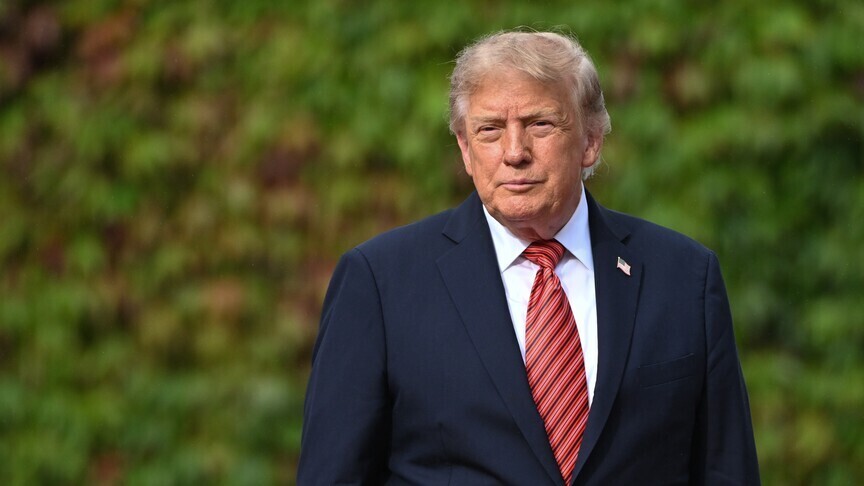
Trump Announces Formation of ‘AI Force,’ Names ‘AI Czar’ to Oversee It
US President Donald Trump said the new body would not impede the artificial intelligence industry’s expansion, according to Anadolu Agency.

UN Resolution and New Initiatives Aim to Correct Global Perceptions of Africa
Efforts including a push to redraw the world map, school curriculum reforms and awareness campaigns seek to present a more accurate and positive image of the African continent, according to Deutsche Welle.

Viral video of mother's barefoot race for daughter's school seat reignites debate on India's education system
Footage of a 47-year-old widow running 3km unprepared and in flip-flops to try to secure her daughter's school admission has spread widely online, according to BBC News.

Former Students Who Exposed Abusive Indonesian Head Teacher Marry After Years-Long Fight for Justice
Two former pupils who spent years gathering evidence against their school principal say their shared pursuit of accountability brought them together, according to a BBC News report.
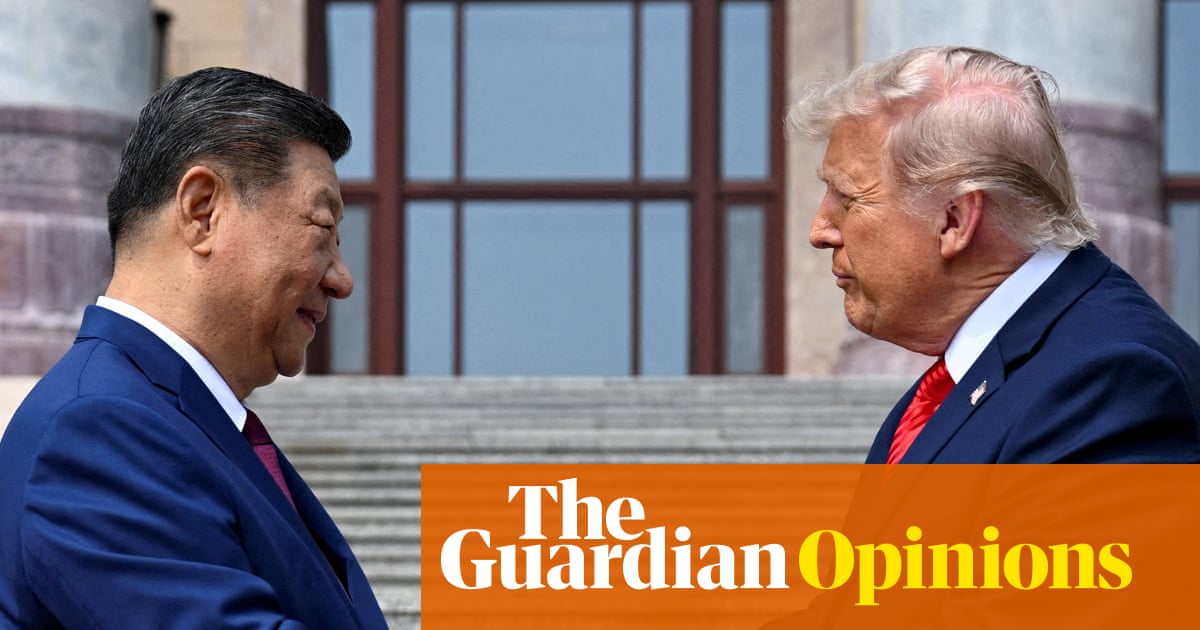
Guardian Column Urges US-China Cooperation on AI Amid Warnings Over Pace of Development
Australian scientist Alan Finkel argues that unregulated competition between AI firms and between Washington and Beijing could threaten global stability, calling for coordinated oversight.
Comments
Loading comments…