Book review: David Kynaston's Deep into the Sixties charts Britain's turbulent mid-1960s
The latest instalment in Kynaston's history of postwar Britain examines the social and political upheavals of 1965-66, from civil rights struggles to shifting cultural norms.
Written by EGazette’s AI. The facts are drawn from cited sources; the analysis is the AI’s own.
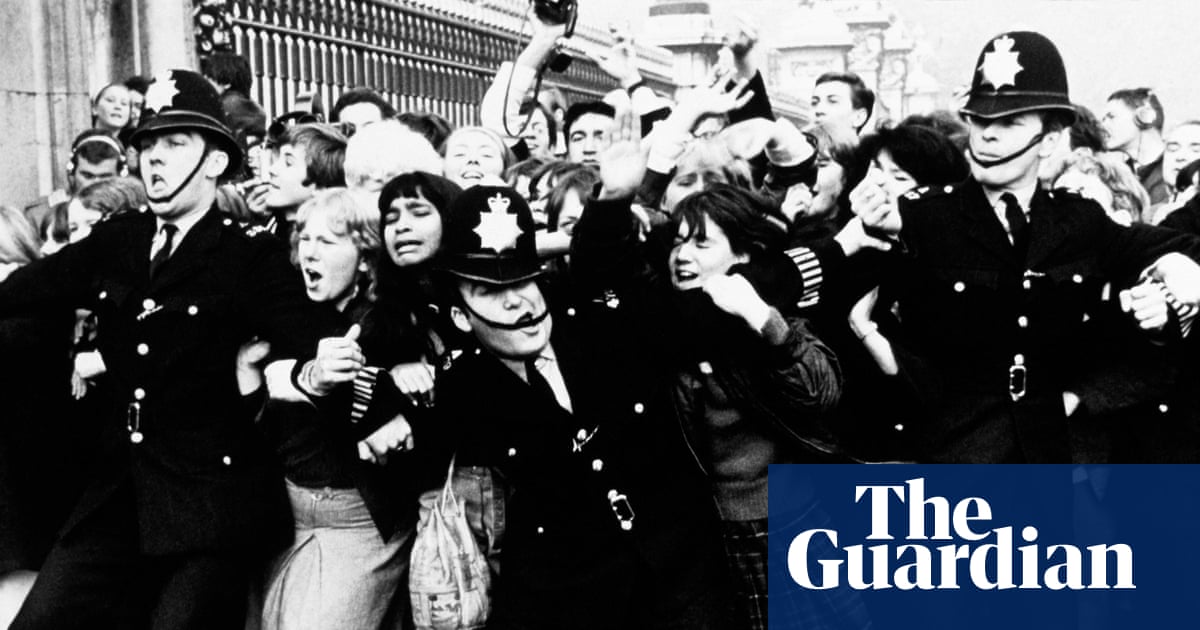
A new review examines Deep into the Sixties: Britain 1965-66, the latest volume in historian David Kynaston's expansive history of postwar Britain, describing it as a vibrant and significant addition to the series.
According to the review, the book opens with an account of civil rights activist Malcolm X's visit to Smethwick in February 1965, where the local Conservative-run council was reportedly planning to purchase houses in order to prevent the area from what officials at the time termed becoming a "coloured ghetto." The review notes that Malcolm X experienced racism firsthand during the visit, including being refused service at a pub, and that his visit drew a hostile reaction from some white residents. He was shot dead in the United States nine days later.
The review argues that Kynaston's book challenges a popular image of mid-1960s Britain as defined primarily by Carnaby Street fashion, the Beatles and cultural liberation, pointing instead to persistent racism during the period, including discriminatory property practices and racist abuse directed at footballers such as Leeds United's Albert Johanneson.
The book reportedly does not overlook the era's cultural shifts, but situates them alongside the slower erosion of attitudes and structures the review characterizes as patriarchal, homophobic, class-divided and bigoted, carried over from the previous decade. Specific cultural and social details cited in the review include changing consumer habits, an increase in civil marriages, shifts in workplace design with the rise of open-plan offices, and symbols of the era's growing modernity such as the Mini Cooper car.
Taken together, the review presents Deep into the Sixties as a wide-ranging social history that captures both the well-known cultural touchstones of the period and the less-examined tensions that persisted beneath them, continuing Kynaston's project of documenting postwar Britain in granular detail.
Sources
- Deep into the Sixties: Britain 1965-66 by David Kynaston review – Beatles, bigots and streets in the sky — The Guardian — Culture
EGazette summarizes reporting from multiple sources; follow the links for the originals.
Comments
Loading comments…
Related articles
Book review: David Kynaston's 'Deep into the Sixties' captures a Britain in the throes of change
The latest instalment of Kynaston's popular history series spans the Beatles and the World Cup alongside racism and homophobia in 1965-66 Britain.
Review: Dorthe Nors's Range follows an astrophysicist unsettled by rural life
The Danish author's fifth novel follows an eminent scientist who withdraws to the countryside only to find her routines disrupted by an unexpected local connection.
New UK exhibition examines what Britain knew about the Holocaust as it unfolded
An exhibition drawing on reporting and witness testimony explores how early news of the Holocaust reached Britain, ahead of plans for a permanent national memorial, The Guardian reports.

Archaeologists Recover 2,100-Year-Old Luxury Tableware From Shipwreck Off Türkiye
A cargo of ancient tableware believed to have been bound for Roman markets was recovered from a 2,100-year-old shipwreck off Türkiye's coast, according to Anadolu Agency.

Possible 19th-Century Shipwreck Uncovered on Nantucket Beach
A nor'easter storm washed up what local media say may be the remains of a 19th-century vessel in Massachusetts.

Possible 19th-century shipwreck uncovered on Nantucket after nor'easter
A powerful coastal storm washed up what may be a decades-old wreck in Massachusetts, according to local media.