Blood Test Study Explores Early Detection of Pancreatic Cancer
Researchers combined RNA markers with a clinically used tumor marker in an international trial aimed at catching the disease before symptoms appear.
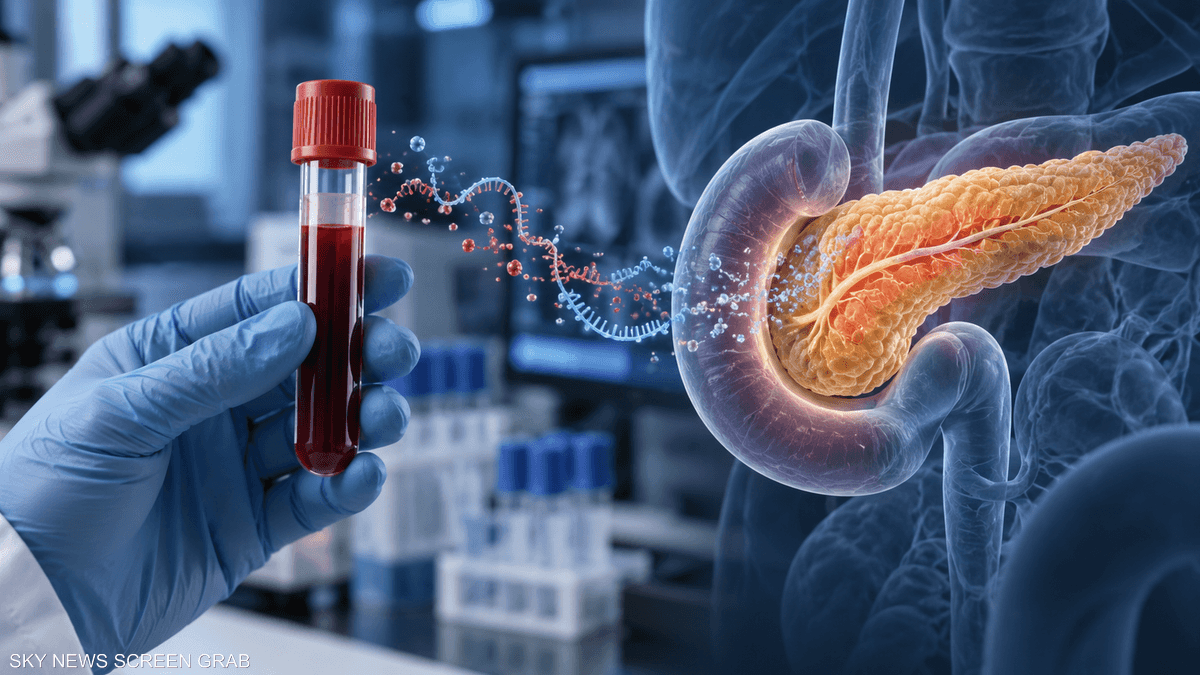
Signals of pancreatic cancer may begin appearing in the blood through ten small molecules well before the disease shows clear clinical signs, according to a wide-ranging international study reported by Sky News Arabia.
The study tested an experimental screening method that combined a ribonucleic acid (RNA) signature with a tumor marker already used in medical practice, in an effort to detect the cancer during its earliest, most treatable stages.
Pancreatic cancer is widely recognized as one of the most difficult cancers to detect early, since it often produces few or no symptoms until the disease has progressed significantly, contributing to its high mortality rate.
The research represents part of an ongoing global effort among scientists to develop blood-based screening tools that could flag the cancer's presence sooner than current diagnostic methods typically allow.
Sky News Arabia's report did not specify the size of the study population or a timeline for when such a test might become clinically available, and further validation would typically be required before wider use.
Sources
- الدم يكشف ما يخفيه البنكرياس.. دراسة تختبر فحصا جديدا — Sky News Arabia — Technology
EGazette summarizes reporting from multiple sources; follow the links for the originals.
Related articles
Blood Test for Multiple Cancers Clears Key Hurdle on Path to FDA Approval
A blood test designed to detect multiple types of cancer has passed a significant regulatory milestone, though experts say more research is still needed.
Cold Season: Tips to Boost Immunity and Prevent Infection
With cases of colds and coughs on the rise in the northern hemisphere, here are some tips to help strengthen your body's defenses during cold and flu season.
FDA advisory panel set to vote on Grail's multi-cancer blood test
An independent panel of experts will decide whether to recommend approval of Grail's Galleri test, which the company says can detect signs of up to 50 types of cancer from a single blood draw.

Student Nearly Dies After Accidental Paracetamol Overdose
Parents describe the frightening speed of their child's organ failure after an accidental overdose, and are speaking out to raise awareness of the risks.

'Ghost Patient' Policy Wrongly Removing At-Risk People From GP Lists, Doctors Say
An NHS England initiative that shortened the cut-off period for inactive patients is disproportionately affecting the most deprived areas, according to analysis.
FDA Advisory Panel Recommends Approval of First Multi-Cancer Blood Test
An independent panel of experts has cautiously recommended approval of Grail's Galleri test, which the company says can detect up to 50 forms of cancer.
Comments
Loading comments…