BBC Redundancy Process Fuels Fears Over Future of BBC Three and BBC Scotland
Staff at the BBC worry the broadcaster could close or move BBC Three and BBC Scotland online-only as part of a £500m cost-cutting plan.
Written by EGazette’s AI. The facts are drawn from cited sources; the analysis is the AI’s own.

The BBC has begun a redundancy process within its television and streaming division, intensifying concerns among staff that the broadcaster could move to close BBC Three and BBC Scotland as part of a wider cost-cutting drive.
According to reports, the corporation's director general, Matt Brittin, is expected to update staff this week on the next phase of a plan aimed at saving roughly £500 million and cutting as many as 2,000 jobs across the organization.
BBC Three, known for launching shows such as Gavin and Stacey and Fleabag, previously operated as an online-only channel for several years before returning to linear broadcast. Staff fear it could revert to an online-only model, or be shut down entirely, alongside BBC Scotland, if the current restructuring proceeds as anticipated.
Brittin has previously signaled that some of the BBC's traditional linear television and radio services may eventually need to close as audiences continue shifting toward streaming and on-demand platforms. The latest redundancy proceedings are widely seen internally as a sign that decisions affecting these two channels could be imminent.
Any closure or further reduction of BBC Three or BBC Scotland would mark a significant shift in the BBC's channel lineup and is likely to draw reaction from audiences, industry observers and political figures who have previously weighed in on the corporation's funding and programming decisions.
The BBC has not yet issued a final public confirmation on the fate of either channel, and further details are expected as the redundancy process continues.
Sources
- Staff fears grow that BBC will shut its Three and Scotland channels next week — The Guardian — World
EGazette summarizes reporting from multiple sources; follow the links for the originals.
Comments
Loading comments…
Related articles
Latvia's Parliament Bans Public Broadcaster from Producing Russian-Language Content, with Emergency Exception
Latvia's Saeima passed a law barring public broadcaster LSM from creating Russian-language content except during emergencies.
UK Farmers Face Funding Frenzy as Six-Hour Application Window Draws Comparisons to Concert Ticket Scramble
A tight six-hour window to apply for agricultural funding has added to pressure on already-worried farmers, with the rush likened to the scramble for Oasis concert tickets.
Lorry Training Firm 'Riding Out' Record Diesel Prices Amid Ongoing Fuel Cost Surge
Fuel prices have been climbing steadily since the US-Iran war began in February, and one lorry driver training firm says it is managing to weather record diesel costs.
Ten Years After the Brexit Vote, Talk of Reversal Resurfaces
A decade after Britain voted to leave the European Union, a new report says the idea of reversing that decision is drawing fresh attention.

UK-Mauritius Chagos sovereignty deal stalls amid fears of further delays
Renewed talks have revived hope of resettlement for Chagossians, but concerns are growing that time is running out for the ageing community.
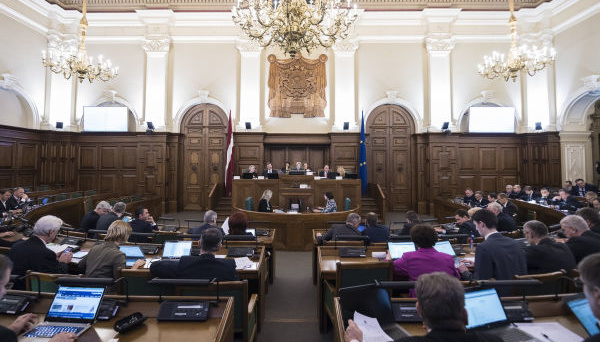
Latvian Parliament Adopts Amendments Restricting Use of Russian in Public Media
Public broadcasters will be allowed to produce content in Russian only during emergencies or to debunk disinformation, under the new rules.