Bayeux Tapestry Draws Crowds to British Museum Amid Diplomatic Fanfare
The medieval artwork, on loan from France, has become a focal point for British audiences and political figures alike, according to a Guardian columnist who has viewed the tapestry four times since childhood.

The Bayeux Tapestry has become a major attraction at the British Museum in London, drawing large crowds and what Guardian columnist Charlotte Higgins described as "tapestrymania" gripping Britain, according to an opinion piece published by The Guardian.
Higgins wrote that she has viewed the roughly 1,000-year-old embroidered artwork four times since childhood, but that her most recent viewing, earlier this week, felt different amid the surrounding public attention.
According to the column, the tapestry has been presented as a diplomatic symbol, with what she described as crowned heads and presidents using the occasion to meet and make speeches. The exhibition comes as the artwork is on loan to Britain, having traveled from its usual home in Bayeux, Normandy, France.
Higgins noted in her piece that there is ongoing scholarly debate over the tapestry's true origins. While it is commonly associated with Bayeux, she wrote that many scholars argue it was likely embroidered in Canterbury, England, rather than in Normandy. She suggested that if this attribution is accepted, the tapestry's presence in Britain carries what she called "the potency of return, rather than simply of arrival."
The tapestry, which depicts events surrounding the Norman conquest of England in 1066, including the Battle of Hastings, is renowned for its detailed and vivid imagery. Higgins wrote that she has continued to admire the artwork over multiple viewings for what she called "the sheer miracle of its survival and the glorious vividness of its detail."
The opinion piece situates the current public interest in the tapestry within broader reflections on war and upheaval, drawing connections between the medieval artwork's historical subject matter and contemporary global tensions, though the full scope of this comparison was not detailed in the excerpt available.
Sources
- Bayeux tapestrymania has gripped Britain. But what does it say about our own age of war and upheaval? | Charlotte Higgins — The Guardian — Opinion
EGazette summarizes reporting from multiple sources; follow the links for the originals.
Related articles

Osborne says he expected Thiel’s private Bayeux tapestry viewing to stay secret
British Museum chair tells Big Brue festival he did not anticipate the private viewing for the tech billionaire would become public knowledge

Artist Captured Working at Lok Virsa Setup
A photograph published by the Associated Press of Pakistan shows an artist engaged in creating artwork at a setup in Lok Virsa.

Ukraine Signs Council of Europe Convention on TV Series Co-Production
The agreement, signed during the Carpathian Summit, is intended to open new opportunities for Ukrainian involvement in European television production.
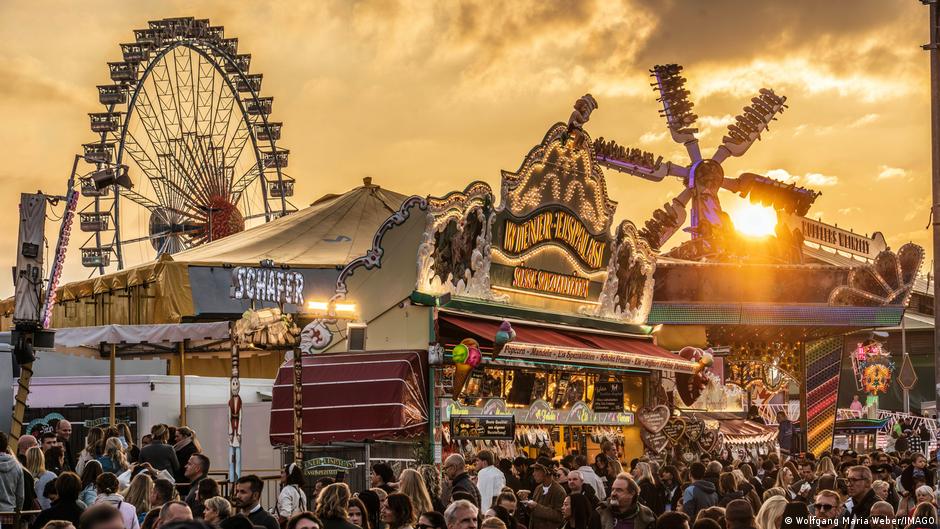
Munich Adopts New Security Concept for 2026 Oktoberfest Featuring Artificial Intelligence
City authorities aim to prevent a repeat of the temporary closure that affected the world's largest beer festival last year
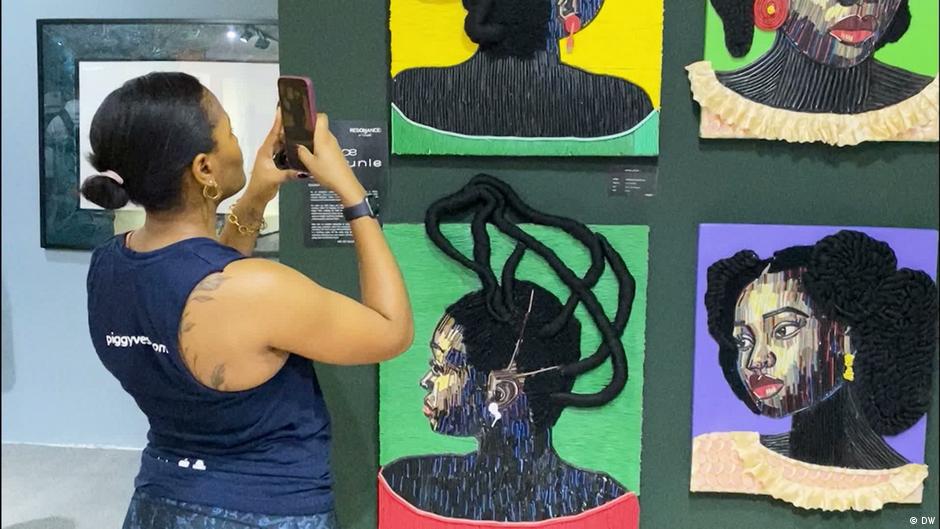
UN Resolution and New Initiatives Aim to Correct Global Perceptions of Africa
Efforts including a push to redraw the world map, school curriculum reforms and awareness campaigns seek to present a more accurate and positive image of the African continent, according to Deutsche Welle.

Taylor Swift, Tom Cruise Seen Sharing Suite at Arrowhead Stadium
The pop star and the actor were reported to have sat together while watching Kansas City Chiefs tight end Travis Kelce play.
Comments
Loading comments…