Australian PM warns Indo-Pacific is not a 'chessboard' for superpower rivalry
Anthony Albanese says strategic competition between China and the US is the most consequential factor shaping the region.
Australian Prime Minister Anthony Albanese has warned against treating the Indo-Pacific region as a "chessboard" for competition between global superpowers, while identifying strategic rivalry between China and the United States as the most consequential factor shaping the region's future.
Albanese's comments reflect Australia's positioning as it navigates its relationships with both Washington, its longstanding security ally, and Beijing, a major trading partner, amid intensifying strategic competition between the two powers.
The Australian leader's framing emphasizes that countries within the Indo-Pacific region should not be reduced to pieces in a broader geopolitical contest, a message likely aimed at reassuring regional partners of Australia's independent foreign policy stance.
Strategic competition between China and the United States has increasingly shaped regional dynamics across the Indo-Pacific, influencing everything from trade relationships to defense postures among countries in the region.
Albanese's remarks add to an ongoing conversation among regional leaders about how smaller and middle powers can maintain agency and avoid being caught between the competing interests of the world's two largest economies.
Sources
- Indo-Pacific not 'chessboard' for superpowers, warns Australian premier — Anadolu Agency (Turkey)
EGazette summarizes reporting from multiple sources; follow the links for the originals.
Related articles
Trump-Xi summit: trade, AI and Iran expected to top the agenda
The leaders of the United States and China are set for their third in-person meeting in a year, with discussions expected to cover trade, artificial intelligence and Iran.
Australia news: Victoria bus crash injures more than a dozen; Qantas ground crew strike underway
A bus crash in Victoria left more than a dozen injured as Qantas ground crew began a 24-hour strike over an industrial dispute.
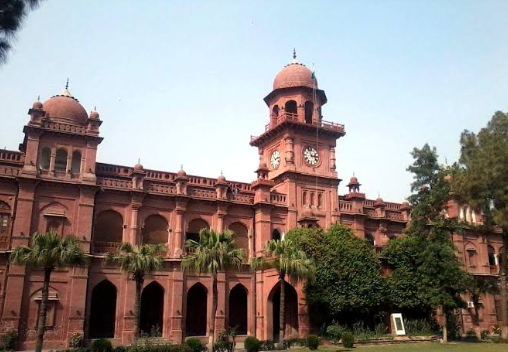
Punjab University and Chinese partners launch two cooperation platforms
The University of the Punjab and Chinese institutions unveiled two new platforms aimed at deepening collaboration in pharmaceuticals and public welfare initiatives.
Reports say US withheld Sudan army chief's UN visa over truce plan
Media reports indicate Washington held back a visa for Sudan's army chief Abdel Fattah al-Burhan in an apparent effort to press him toward accepting a 90-day truce proposal.
Ukrainian delegation meets US envoys on sidelines of UN General Assembly
President Volodymyr Zelensky said the talks with US officials followed his own meeting with President Trump at the United Nations.
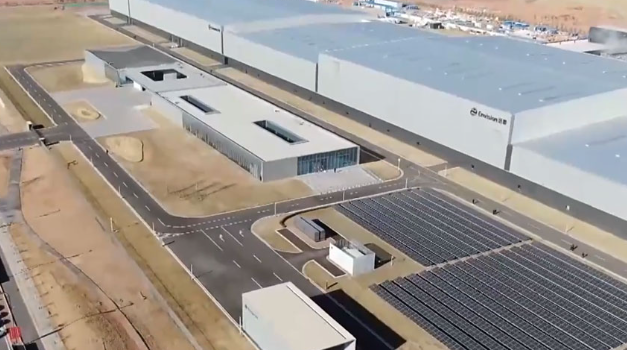
Zero-Carbon Airport in China Cited as Model for Green Energy Ties With Pakistan
A visit to Ordos Ejin Horo International Airport highlighted technology that commentators say could inform future China-Pakistan clean energy cooperation.
Comments
Loading comments…