In Yemen, Houthi advances on the Red Sea shore up Iran's position against Washington
According to Le Monde, Houthi rebels took control Friday of Yemen's entire Red Sea coastline, securing access to the strategic Bab Al-Mandab Strait. Tehran plans to leverage this success to increase its leverage in potential negotiations with the United States.

Iran-backed Houthi rebels took control Friday of Yemen's entire Red Sea coastline, according to reporting by Le Monde. This advance ensures them access to the Bab Al-Mandab Strait, a strategic maritime passage connecting the Red Sea to the Gulf of Aden.
This development comes two months after the closure of the Strait of Hormuz, another crucial maritime chokepoint located in the Persian Gulf, whose control had already strengthened Tehran's position in the region, according to the newspaper.
According to Le Monde, Iran intends to capitalize on the military successes of its Houthi allies to raise its demands in any potential negotiations with Washington. Joint control of two strategic straits—Hormuz and now Bab Al-Mandab—would give Tehran increased leverage over global commercial and energy routes.
These two maritime passages are indeed essential to international oil and goods transport, and their control, whether direct or indirect, by actors close to Iran represents significant leverage in the tense relations between Tehran and Washington, according to the newspaper's analysis.
Le Monde emphasizes that this development is part of a broader shift in the balance of power in the Middle East, where Iran's regional alliances, particularly with Houthi rebels in Yemen, play an increasingly important role in its strategy against the United States.
Sources
- Les succès militaires des rebelles houthistes au Yémen renforcent l’Iran face aux Etats-Unis — Le Monde — Une
EGazette summarizes reporting from multiple sources; follow the links for the originals.
Related articles
Qatar Says It Is Mediating to Revive US-Iran Talks
Qatari officials say mediators are shuttling between capitals in an effort to restart stalled negotiations between Washington and Tehran
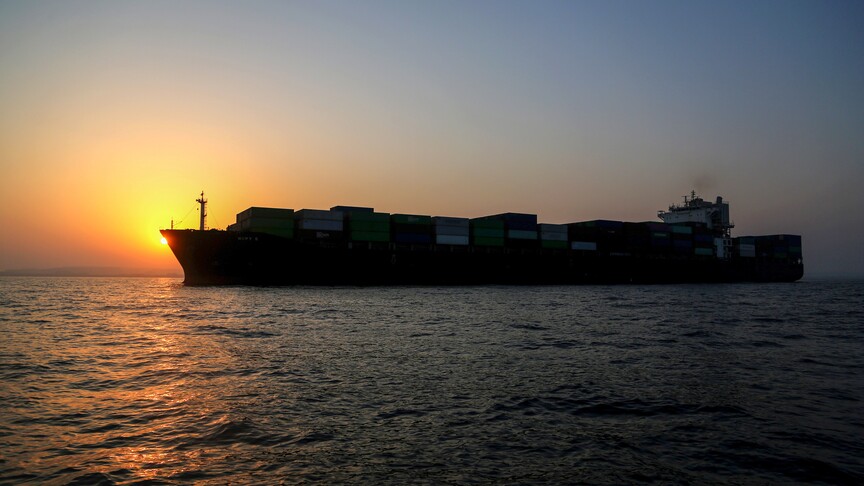
Iran Says Strait of Hormuz Will Stay Closed Until US Meets Its Conditions
Parliament speaker says Tehran has relayed its demands to Washington through intermediaries and will not reopen the strategic waterway until they are satisfied
Iran Security Official Says Country Ready to Respond If US Resumes Military Action
Mohsen Rezaei, secretary of Iran's Supreme National Security Council, said Tehran is prepared to defend itself and respond forcefully to any renewed US military aggression, according to IRNA.

Houthis Emerge as Key Player in Iran's Regional Network, Analysts Say
Following battlefield gains in Yemen, the Houthi movement is being described as increasingly central to Iran's so-called "axis of resistance," a role once dominated by Lebanon's Hezbollah.

Armenian Ambassador Calls for Expanded Iran-Armenia Rail and Trade Links
Grigor Hakobyan says connecting the two countries’ railway networks would give Armenia access to southern seas and diversify Iran’s trade routes to Europe
Iran's Parliament Speaker Says Sacred Defense Week Reflects Tested Experience in Defending National Dignity
Mohammad Bagher Ghalibaf described the annual commemoration as more than a historical recollection, according to Iranian state news agency IRNA.
Comments
Loading comments…