Atlantic Hurricane Season Sees Its Quietest Start on Record
Forecasters say El Nino conditions have suppressed storm formation in the Atlantic more than expected this year.
Written by EGazette’s AI. The facts are drawn from cited sources; the analysis is the AI’s own.
For the first time in the modern record, the Atlantic hurricane season has gone this long without a single hurricane forming, according to Scientific American, as forecasters point to El Nino as a key factor suppressing tropical storm development.
El Nino, a climate pattern marked by warmer-than-average sea surface temperatures in the eastern Pacific Ocean, tends to increase wind shear over the Atlantic basin, a condition that disrupts the formation and strengthening of tropical storms into hurricanes. While El Nino's dampening effect on Atlantic hurricane activity is well documented, meteorologists say its impact this season has exceeded most forecasts issued earlier in the year.
The Atlantic hurricane season officially runs from June through November, with activity historically peaking in September. A season this far along without a hurricane forming is considered highly unusual, given that recent decades have generally seen above-average or near-average hurricane activity linked to warmer ocean temperatures.
Scientists caution that a quiet start does not guarantee a quiet season overall, since conditions can shift in the final weeks before the season closes. Sea surface temperatures in the Atlantic remain elevated, and forecasters continue to monitor the basin for signs of tropical development as El Nino's influence evolves.
The lull offers a reprieve for coastal communities in the United States, the Caribbean and Central America that have faced repeated hurricane strikes in recent years, though officials continue to urge residents to remain prepared through the remainder of the season.
Sources
- For the first time, no hurricanes have formed in the Atlantic this season so far — Scientific American
EGazette summarizes reporting from multiple sources; follow the links for the originals.
Comments
Loading comments…
Related articles
Scientists Call This Year's Quiet Atlantic Hurricane Season Unprecedented
Meteorologists say the near-total absence of tropical storm activity in the Atlantic this year has no clear parallel in the historical record.
Powerful Storms Continue Active Pacific Hurricane Season
Hurricanes Polo and Nolo brought destructive effects ashore in the northeastern and central Pacific.
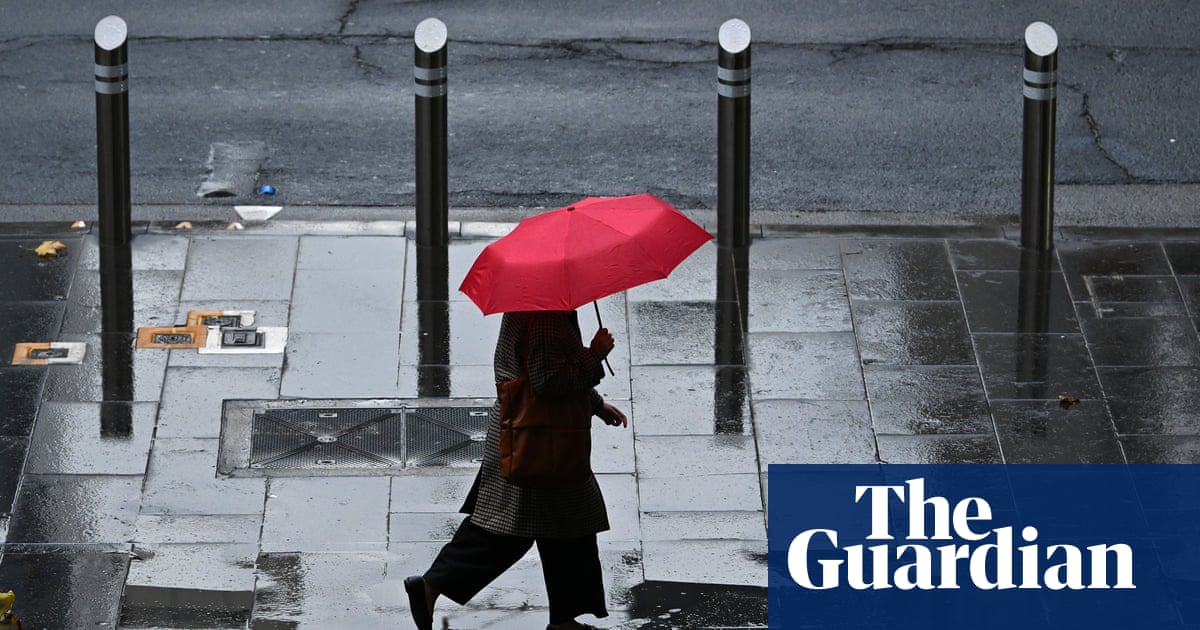
Parts of Victoria Could See Three Months' Worth of Rain as Storms Forecast for South-East Australia
The Bureau of Meteorology expects widespread rain and thunderstorms to drench Victoria, with Canberra and Sydney also likely to see showers.
Nearly 40% of world's population exposed to harmful ozone pollution in 2026, EU climate monitor finds
Only about 5% of people worldwide experienced 'good' ozone levels, with Asia, Europe and North America identified as the most affected regions.

Heatwaves and Wildfires Expose a Third of World's Population to Extreme Ozone Pollution
A European Union report found that 34 percent of the world's population faced 'extremely poor' ozone air quality in the first eight months of 2026, with Asia hit hardest.

Swiss glaciers record another year of heavy ice loss
More than 5% of their ice has vanished this year alone, threatening water supplies across Europe.