At UN General Assembly, Iran, Syria and Kenya point to war and injustice behind uneven global development
Speeches at the UN General Assembly highlighted how conflict and injustice have contributed to disparities in development between nations, according to Al Jazeera.

Speeches delivered at the United Nations General Assembly (UNGA) by representatives of Iran, Syria and Kenya have highlighted how war and injustice have contributed to uneven development between nations, according to Al Jazeera.
Each of the three countries drew attention, in different ways, to the impact that conflict and perceived global inequities have had on their own development trajectories, framing the disparity between wealthier and poorer nations as a consequence of historical and ongoing injustices rather than solely a matter of domestic policy choices.
A recurring theme at the UN
Discussions about the root causes of global development gaps are a recurring feature of UN General Assembly sessions, with representatives from countries affected by conflict, sanctions or historical colonisation often pointing to external factors as significant barriers to their development. The specific remarks made by each country's representative, including any policy proposals put forward, were not detailed in the available report.
Syria, which has experienced over a decade of civil conflict, and Iran, which has faced extensive international sanctions, both represent cases frequently cited in these debates as examples of how war and geopolitical pressure can significantly set back a country's development. Kenya's inclusion in the discussion suggests a broader African perspective on how historical injustice and global economic structures continue to shape development outcomes on the continent.
Ongoing debate over development inequality
The question of why some nations have developed more rapidly than others remains a subject of extensive debate among economists, historians and policymakers, with explanations ranging from colonial legacies and conflict to governance, geography and access to global trade and finance. The UNGA session provided a platform for the three countries to present their perspectives on this debate to an international audience.
Further details on any specific resolutions or initiatives discussed in connection with these remarks were not included in the original report.
Sources
- Why have some nations developed while others struggle? — Al Jazeera — All
EGazette summarizes reporting from multiple sources; follow the links for the originals.
Related articles
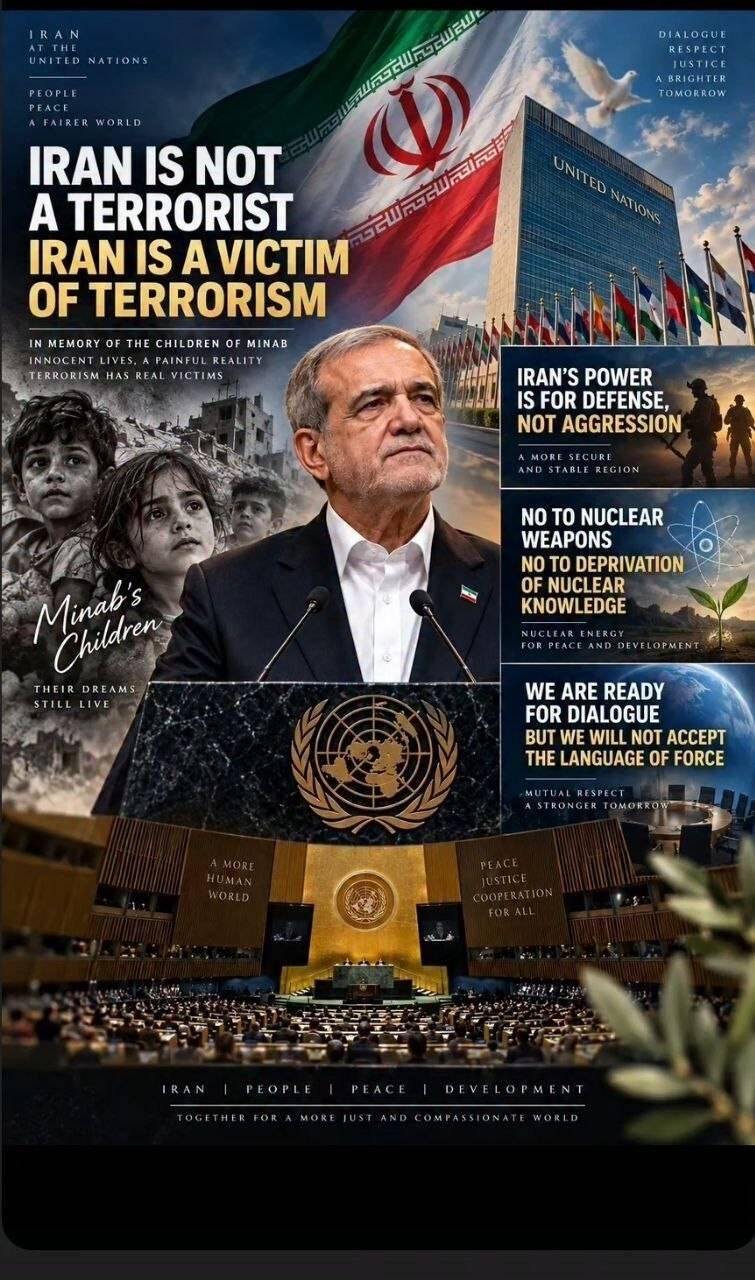
Iran's Embassy in Indonesia Amplifies Pezeshkian's UN Address
The embassy shared highlights of President Masoud Pezeshkian's UN General Assembly speech, emphasizing Iran's stance on defense and diplomacy.
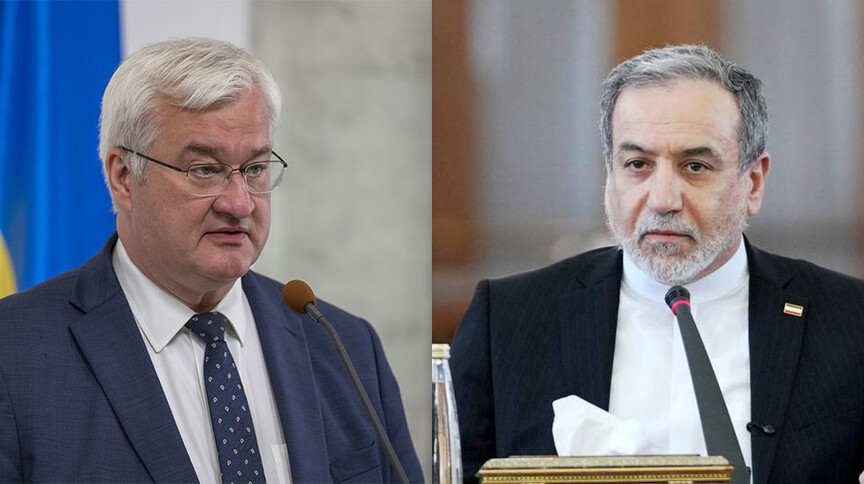
Ukrainian, Iranian top diplomats discuss steps to prevent further tensions
Foreign ministers Sybiha and his Iranian counterpart met on the sidelines of the UN General Assembly to discuss diplomatic engagement.
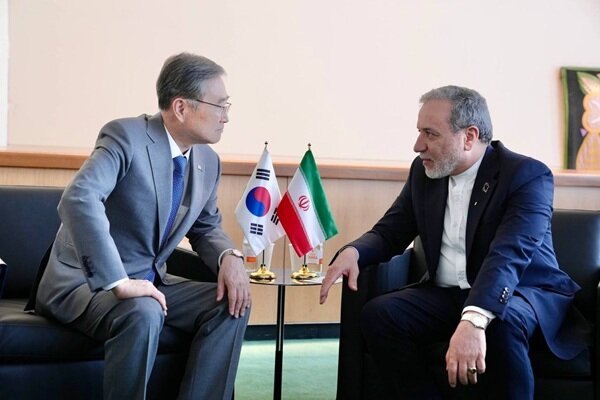
Iran and South Korea sign prisoner-transfer agreement as Tehran voices concern over US alignment
The foreign ministers of Iran and South Korea met in New York and signed a memorandum on transferring convicted prisoners, amid reported Iranian concern about Seoul's alignment with US positions in the region.
Report: Netanyahu's UN Visit Sought Election Boost, but Faced Muted US Reception
An analysis cited by Anadolu Agency says Netanyahu's far-right coalition partners have strained Israel's international standing, contributing to a lack of high-level meetings during his New York visit.
Tajani tells UN General Assembly the world body must regain its ability to act
Italy's foreign minister said the UN Security Council 'must not be an exclusive club' as he addressed the General Assembly.
UN funding cuts hit refugees at Cox's Bazar settlement
Refugees living at the Cox's Bazar settlement in Bangladesh are feeling the impact of severe cuts to UN funding, according to Al Jazeera.
Comments
Loading comments…