Germany-Kosovo Medical Cooperation Helps Reduce Crimean-Congo Hemorrhagic Fever Cases
Cross-border scientific and medical collaboration between Germany's advanced laboratories and Kosovo's health surveillance teams has helped reduce Crimean-Congo hemorrhagic fever infections, in an initiative being proposed as a model for epidemic control.
Written by EGazette’s AI. The facts are drawn from cited sources; the analysis is the AI’s own.
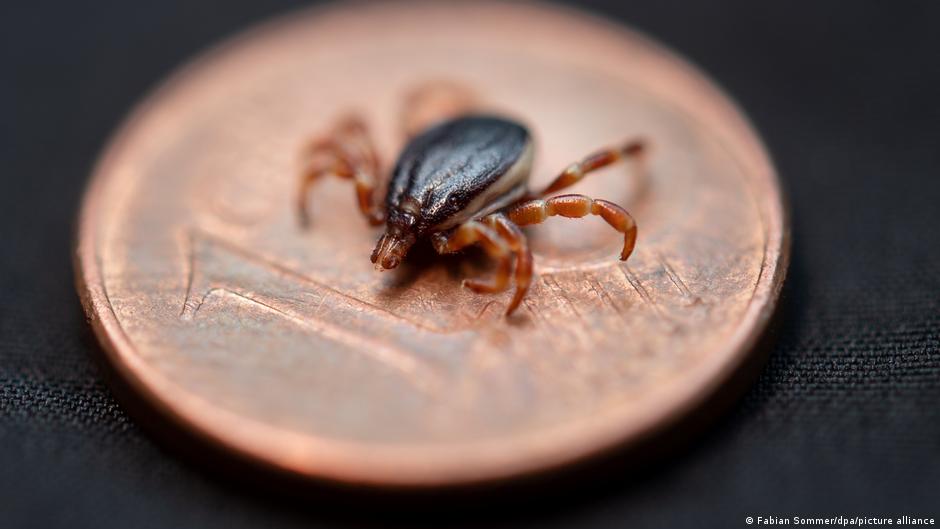
Scientific and medical cooperation between Germany and Kosovo has yielded positive results in combating Crimean-Congo hemorrhagic fever, a viral disease typically transmitted through tick bites and classified among the most dangerous infectious diseases in the Balkans region. According to sources following the matter, the partnership brought together advanced German laboratories and field teams in Kosovo working at the disease's outbreak sites.
This collaboration resulted in a notable decline in the number of recorded virus infections in Kosovo — a development seen as evidence that the exchange of medical and scientific expertise between countries can serve as an effective tool for curbing the spread of epidemics, particularly in regions with limited diagnostic and surveillance capacity.
A Model for Cross-Border Cooperation
Specialists believe that initiatives of this kind highlight the importance of supporting local laboratory capacity and training medical personnel in countries most vulnerable to vector-borne disease outbreaks, alongside strengthening early warning mechanisms and case monitoring.
Those behind the project hope that the Germany-Kosovo cooperation experience can become a reference model to be drawn upon in facing other cross-border epidemics, by replicating the scientific partnership framework between medically advanced nations and the regions most affected by such diseases.
Sources
- قصة تعاون ضد الأوبئة.. كيف ربط فيروس بين ألمانيا وكوسوفو؟ — Deutsche Welle — Arabic
EGazette summarizes reporting from multiple sources; follow the links for the originals.
Related articles

Report: Pharmacists play key role in protecting public health, patient care: Governor Sindh
A report from APP (Pakistan) sets out the main available details, with claims kept attributed to their sources.
Report: IHRA assesses Ali Medical Centre for licensing
A report from APP (Pakistan) sets out the main available details, with claims kept attributed to their sources.

Report: NSW crackdown on ‘AI-doctored’ real estate listings hits mural-covered wall
A report from The Guardian — World sets out the main available details, with claims kept attributed to their sources.
New test cuts brain tumour diagnosis time from eight weeks to two hours, NHS says
NHS England says a rapid new test, piloted in five centres, can diagnose brain tumours while a patient is still on the operating table.

Report: Fatalities on Indian roads: One death reported every three minutes
A report from France 24 — English sets out the main available details, with claims kept attributed to their sources.
Report: Your body fights to stay cool’: workers toil in record heat as federal rule frozen
A report from The Guardian — World sets out the main available details, with claims kept attributed to their sources.
Comments
Loading comments…