Vitamins and Dietary Supplements: Could They Be Linked to Increased Lung Cancer Risk?
Recent research is reassessing the safety of some common vitamins, linking them to a growing scientific debate around lung cancer.
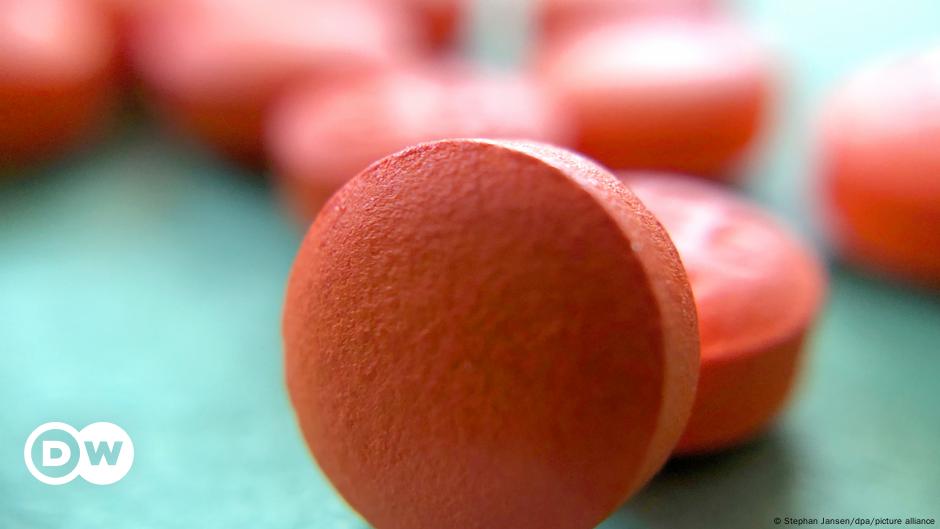
Recent scientific studies have sparked widespread debate over the role of certain common vitamins and dietary supplements — including vitamins C and A — in increasing the risk of lung cancer, even though these compounds have traditionally been known for their wide-ranging health benefits.
These vitamins have long been regarded as essential components of a healthy diet, associated with supporting the immune system and combating free radicals in the body. However, new research has reopened the debate over whether high doses of these supplements, when taken in concentrated form outside their natural dietary sources, may carry unexpected adverse effects.
The growing scientific controversy points to the need to re-evaluate the relationship between excessive supplement consumption and specific health risks, at a time when many people worldwide are increasingly relying on these products as part of their daily routine.
Nutrition and public health specialists are calling for caution and urging people not to take dietary supplements without first consulting a doctor, emphasising that obtaining vitamins from natural food sources remains the safer option compared with concentrated supplements.
Research in this area is ongoing, with scientists working to identify the doses and circumstances under which these vitamins may become a risk factor rather than a protective one.
Sources
- حين تصبح الفيتامينات خطرا.. ما علاقتها بمخاطر سرطان الرئة؟ — Deutsche Welle — Arabic
EGazette summarizes reporting from multiple sources; follow the links for the originals.
Related articles

Health Worker Administers Polio Drops in Anti-Polio Campaign
A photograph from Pakistan's ongoing immunization drive shows a lady health worker vaccinating a child against polio.

NHS to Suspend Staff Suspected of Improperly Accessing Patient Records
The head of NHS England said there have been too many cases of staff abusing patient trust and that the practice must stop.
New test cuts brain tumour diagnosis time from eight weeks to two hours, NHS says
NHS England says a rapid new test, piloted in five centres, can diagnose brain tumours while a patient is still on the operating table.

From Shopping to Medication: Health Warning Signs Not to Ignore
Experts point to early signs — from difficulty preparing meals to confusion managing money or missed medication — that may signal a need for closer monitoring of an aging relative's health.
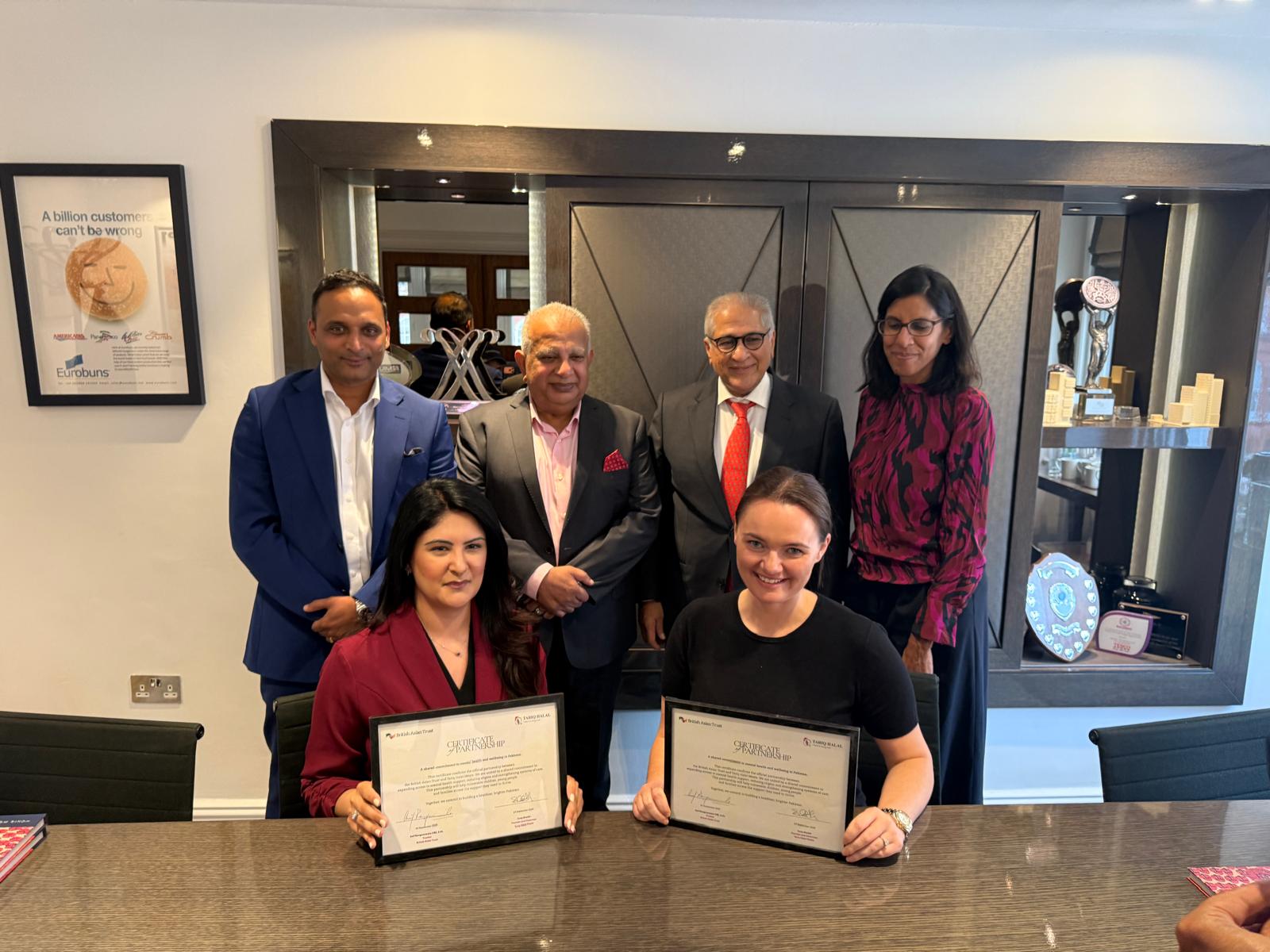
King Charles's Charity Partners With Halal Food Supplier to Expand Mental Health Support in Pakistan
The initiative aims to address a large treatment gap, with an estimated 90% of Pakistanis needing mental health care unable to access it.
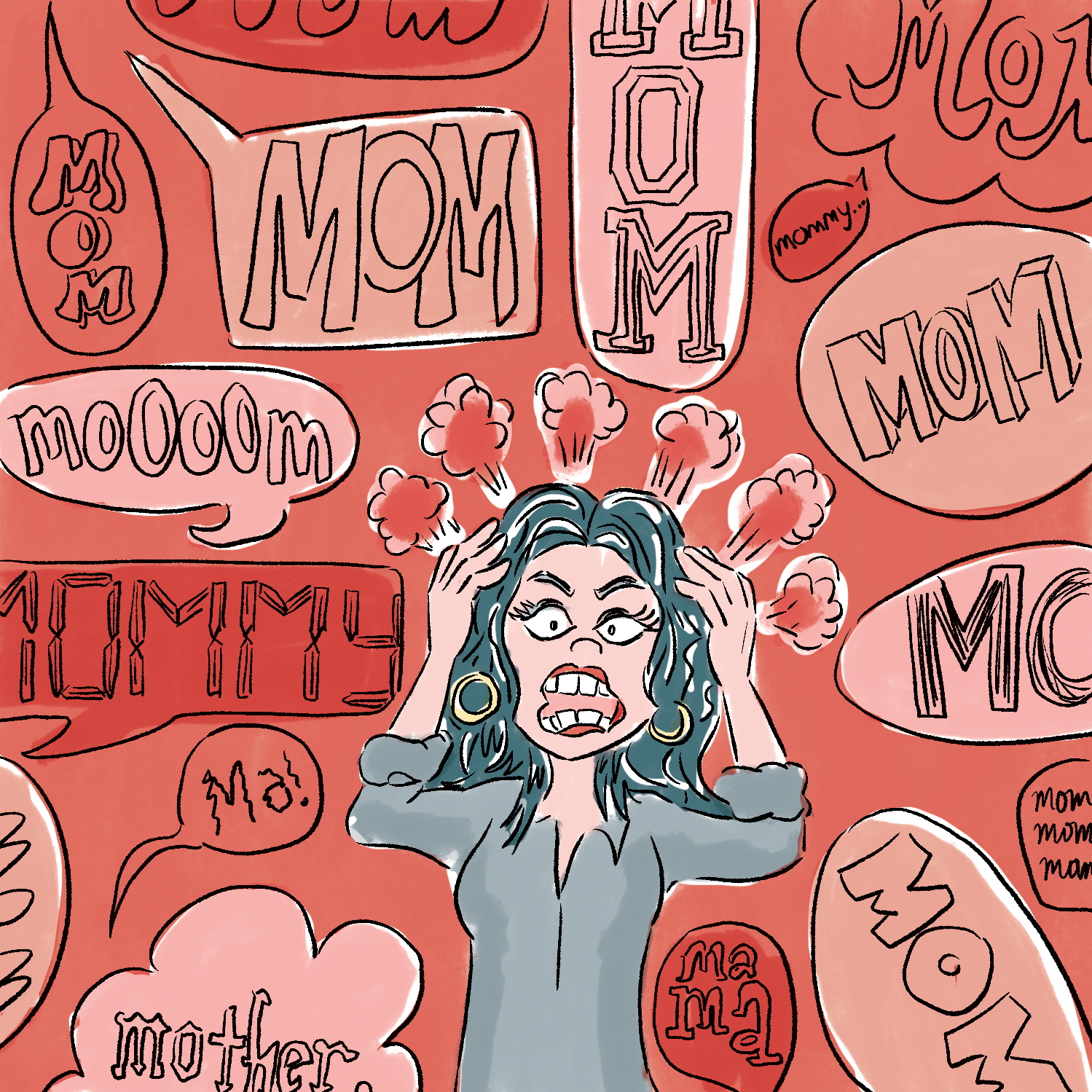
Three Techniques to Stay Calm During Stressful Parenting Moments, According to a Therapist
A therapist and mother of three shares strategies for managing emotions so parents can better show up for themselves and their families.
Comments
Loading comments…