Egypt's PM at UN General Assembly: No Bargaining with the Palestinian Cause — Iraq and Lebanon Affirm State Monopoly on Arms
On the fourth day of the UN General Assembly's general debate, Egypt's prime minister stressed rejection of using the Palestinian cause as a bargaining chip, while Iraqi and Lebanese officials focused on the necessity of concentrating weapons under state authority.
Written by EGazette’s AI. The facts are drawn from cited sources; the analysis is the AI’s own.

The fourth day of the general debate of the 81st session of the United Nations General Assembly continued in New York, with the participation of a number of heads of government and senior officials from various countries, amid broad focus on international and regional crises and issues of peace, security, and development.
In his address to the General Assembly, Egypt's prime minister affirmed that his country does not allow the Palestinian people or their cause to be used as a political bargaining chip, in a reference to Cairo's consistent positions on the Palestinian issue and its support for a two-state solution within internationally recognized frameworks.
Iraqi and Lebanese Affirmation of State Monopoly on Arms
For their part, officials from Iraq and Lebanon, in their respective addresses to the General Assembly, stressed the importance of confining weapons to state authority as a fundamental pillar for extending state sovereignty and ensuring domestic stability, at a time when the region faces multiple security and political challenges.
These positions come within the context of broader debates taking place at the current General Assembly session concerning the ongoing crises in the Middle East, as world leaders and government representatives continue to exchange views on ways to address regional conflicts and enhance stability.
Sources
EGazette summarizes reporting from multiple sources; follow the links for the originals.
Related articles
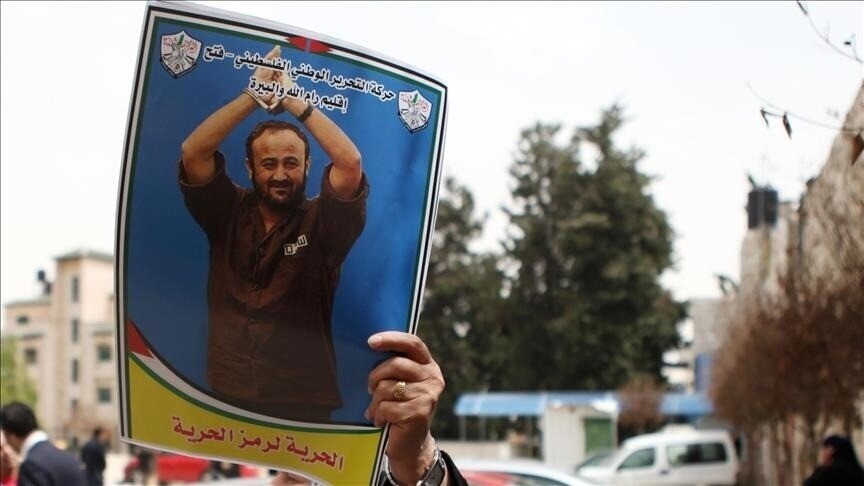
US lawmaker urges Israel to free Palestinian leader Marwan Barghouti
Democratic Rep. Ro Khanna says releasing the imprisoned Palestinian figure could help advance prospects for a two-state peace agreement between Israel and Palestine.
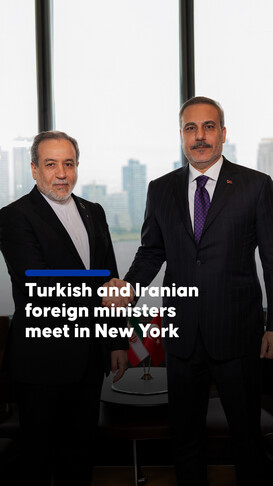
Turkish and Iranian foreign ministers meet in New York on UN sidelines
Turkiye's Hakan Fidan and Iran's Abbas Araghchi held talks on the sidelines of the 81st UN General Assembly's high-level week in New York.
Lavrov, Moroccan Foreign Minister Discuss Bilateral Ties and Regional Crises
Russian and Moroccan officials reviewed priority tasks for strengthening relations between the two countries, according to TASS.
Russia Says It Is Ready to Help Developing Countries Strengthen Sovereignty
Deputy Foreign Minister Alexander Pankin pointed to global shifts he says favor a more balanced international order, according to TASS.

Iran Says It Can Reopen Strait of Hormuz Within a Week if US Accepts Plan
Tehran says it has presented Washington with a seven-day plan to reopen the strait, leaving the decision up to the United States, according to Al Jazeera.
Lebanese Health Ministry: Israeli Strikes Have Killed 4,386 Since Escalation Began
The ministry also reported more than 12,400 people wounded, according to TASS.
Comments
Loading comments…