ترند "الفيرومون" على تيك توك: هل يجعل تقليل الاستحمام الجسم أكثر جاذبية؟
انتشر بين بعض الشباب على منصة تيك توك ترند يُعرف باسم "Pheromone Maxxing" يدعو إلى تقليل الاستحمام والتخلي عن مزيل العرق بزعم زيادة الجاذبية الطبيعية، فماذا يقول العلم عن هذه الفكرة؟
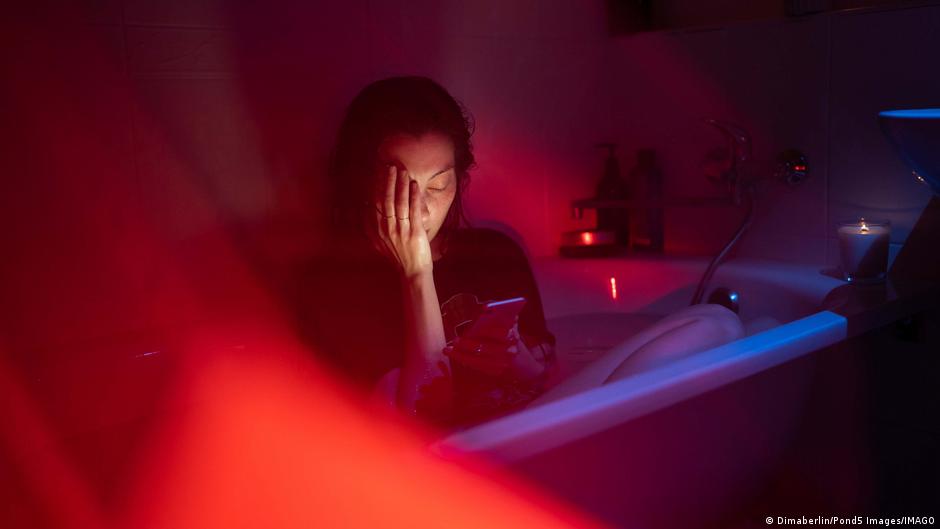
انتشر في الآونة الأخيرة على منصة تيك توك ترند جديد بين بعض فئات الشباب يُعرف باسم "Pheromone Maxxing"، يقوم على فكرة تقليل الاستحمام والامتناع عن استخدام مزيل العرق، بهدف الحفاظ على الرائحة الطبيعية للجسم التي يُزعم أنها تزيد من الجاذبية تجاه الآخرين، بحسب ما ذكرت شبكة دويتشه فيله الألمانية.
ويستند مروجو هذا الترند إلى فكرة أن الجسم يفرز مواد كيميائية تُعرف باسم "الفيرومونات"، يعتقدون أنها قادرة على جذب الشريك المحتمل بشكل لا واعٍ، على غرار ما يحدث في بعض الكائنات الحية الأخرى.
وبحسب دويتشه فيله، فإن العلماء يشككون في مدى صحة هذا الادعاء عند تطبيقه على الإنسان. إذ تشير الدراسات إلى أن مفهوم الفيرومونات، رغم إثباته بوضوح لدى العديد من الحشرات والحيوانات، لا يزال غير مؤكد علمياً بالنسبة للبشر، ولم يُثبت حتى الآن وجود جهاز استقبال بيولوجي واضح لدى الإنسان قادر على التقاط هذه الإشارات الكيميائية بالطريقة نفسها التي تعمل بها لدى الحيوانات.
كما تنقل دويتشه فيله عن مختصين تحذيرهم من أن تقليل الاستحمام لفترات طويلة قد يؤدي إلى تراكم البكتيريا على الجلد، وهو ما قد ينتج عنه رائحة جسم كريهة بدلاً من رائحة "جذابة" كما يروّج لذلك أنصار الترند، إضافة إلى مخاطر صحية جلدية محتملة مرتبطة بضعف النظافة الشخصية.
ويأتي هذا الترند ضمن سلسلة من الاتجاهات الصحية وأنماط العناية بالجسم التي تنتشر بسرعة عبر منصات التواصل الاجتماعي دون أن تستند بالضرورة إلى أدلة علمية راسخة، ما يدفع خبراء إلى دعوة المستخدمين إلى توخي الحذر والتحقق من المصادر العلمية قبل تبني ممارسات قد تؤثر على صحتهم.
Sources
- ترك الاستحمام لجذب الآخرين؟ .. العلم يرد على ترند "الفيرمون" — Deutsche Welle — Arabic
EGazette summarizes reporting from multiple sources; follow the links for the originals.
Related articles
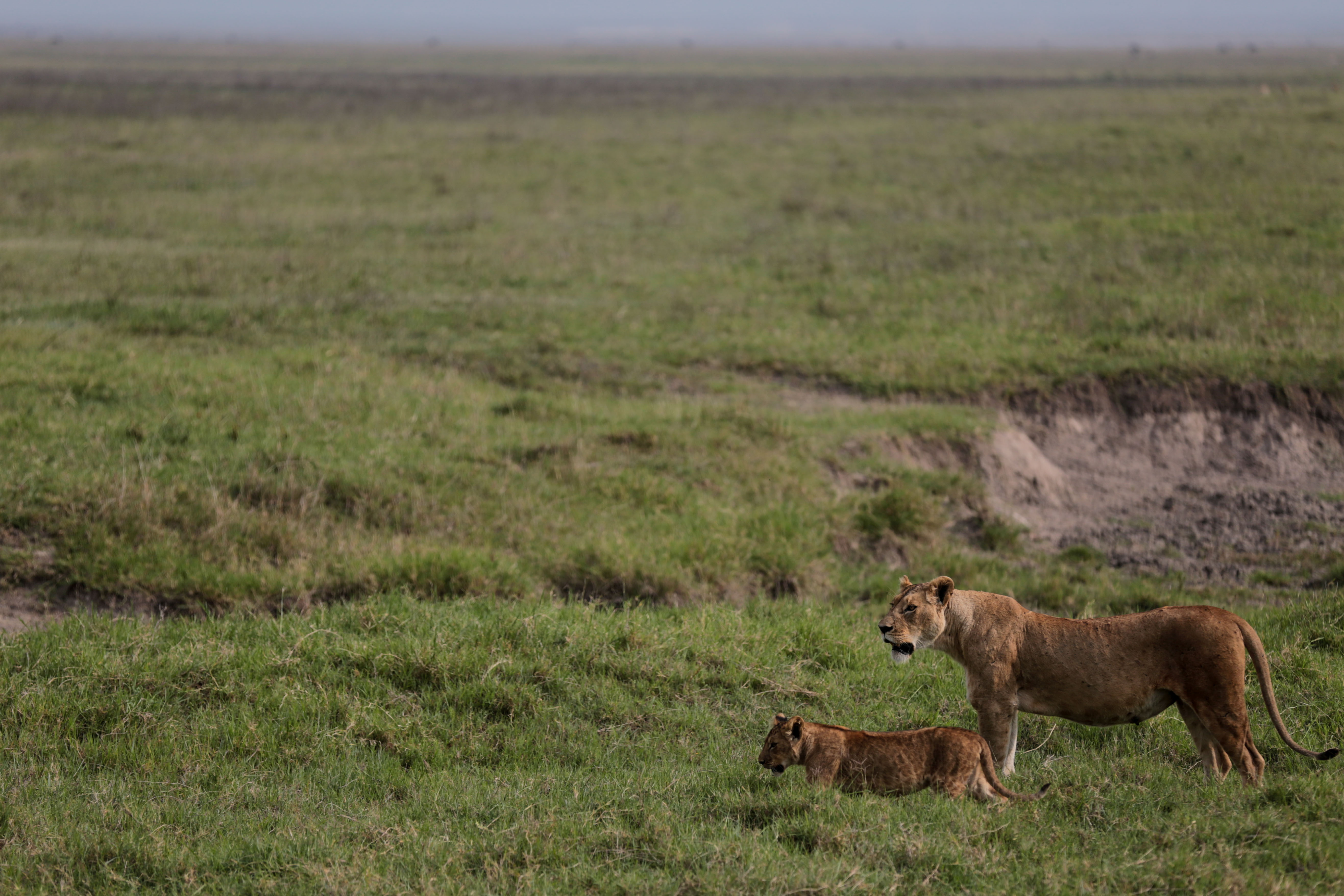
Poison suspected in deaths of ten lions at Tanzania game reserve
The lions were discovered dead in the Ngorongoro Conservation Area, prompting wildlife officials to investigate.

European Space Agency Launches Two Satellites to Monitor Climate Change
The new satellites will help scientists study the effects of climate change, with one instrument dedicated to observing plant life

Exceptional Discovery of Denisovan Fossils in a Southwestern Chinese Cave
Extremely rare remains of these Asian "cousins" of Neanderthals have been unearthed alongside stone tools, shedding new light on their way of life.
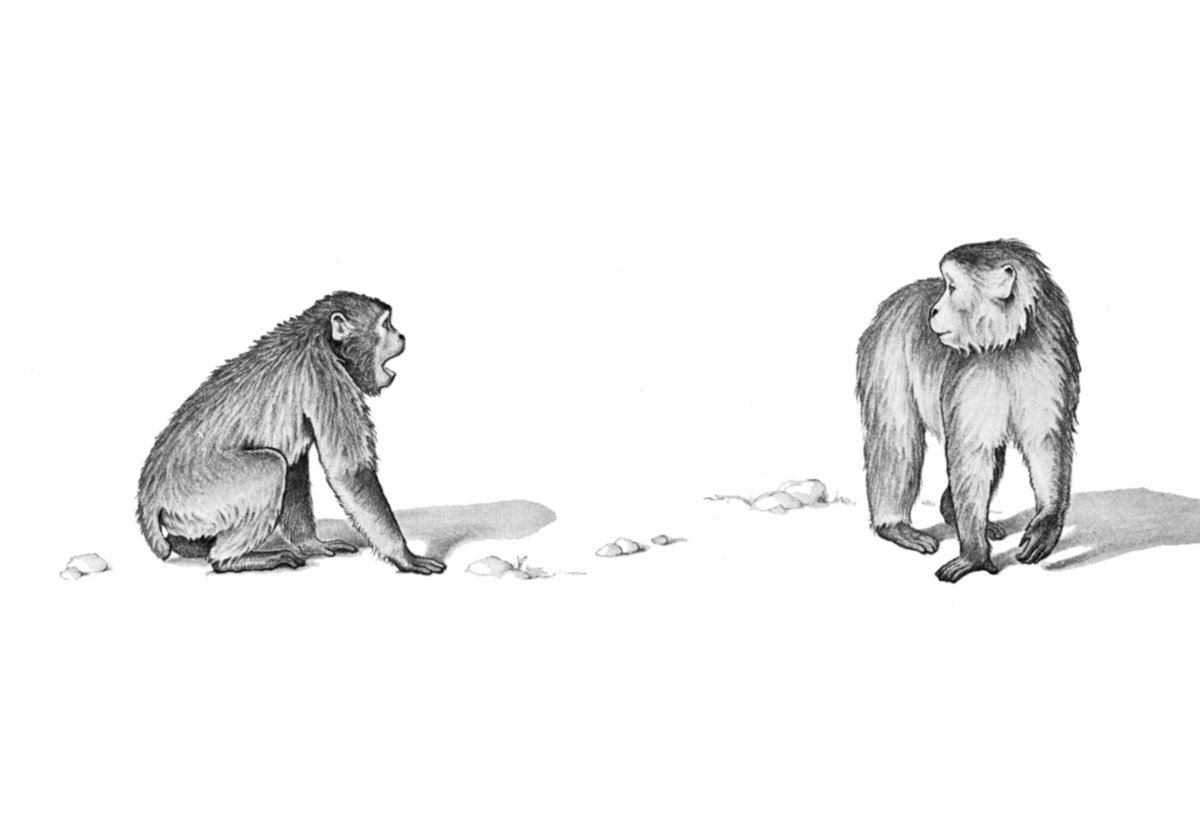
Scientific American's October Retrospective Looks Back at Smallpox, Skyscrapers and Racetrack Research
A historical column published by Scientific American revisits science and technology milestones from 50, 100 and 150 years ago, touching on smallpox eradication efforts, skyscraper excavation work and research conducted at racetracks.
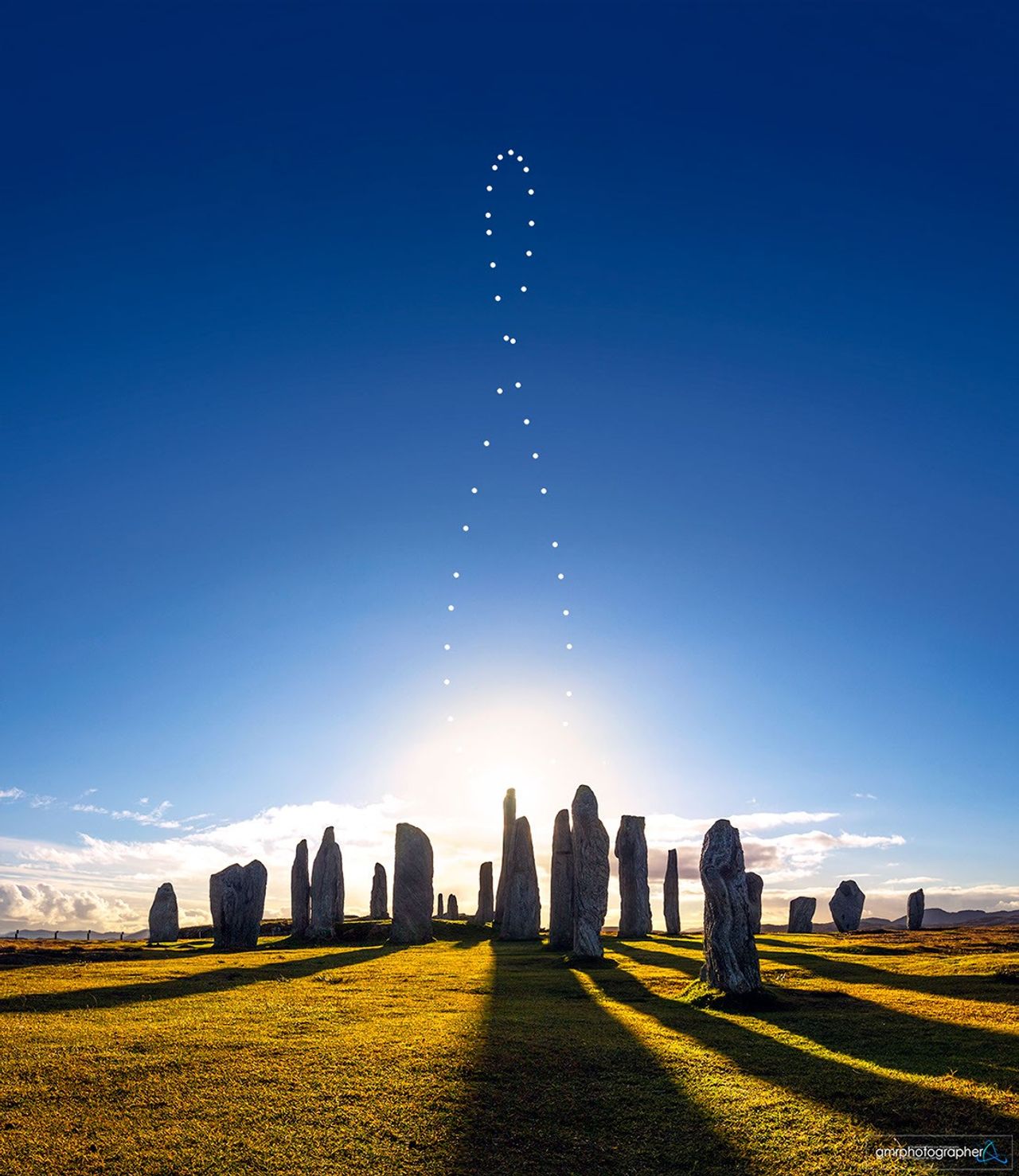
NASA's Astronomy Picture of the Day Features Analemma Over Scotland's Callanish Stones
The September 20, 2026 edition of NASA's long-running APOD series highlights a composite image showing the sun's yearly path above the ancient Callanish Stones.

New Archaeological Evidence Points to Hidden Passages Behind Tutankhamun's Tomb
Archaeological study reopens the file on the lost tomb of Queen Nefertiti after detecting indicators of undiscovered chambers and passages behind the walls of the young pharaoh's tomb in the Valley of the Kings
Comments
Loading comments…