Why Is Battery Energy Storage Expansion Stalling in Europe Despite the Need?
Solar and wind provide cheap but intermittent power, and increasing battery capacity could solve the problem of price stability and dependence on fossil fuels.
Written by EGazette’s AI. The facts are drawn from cited sources; the analysis is the AI’s own.
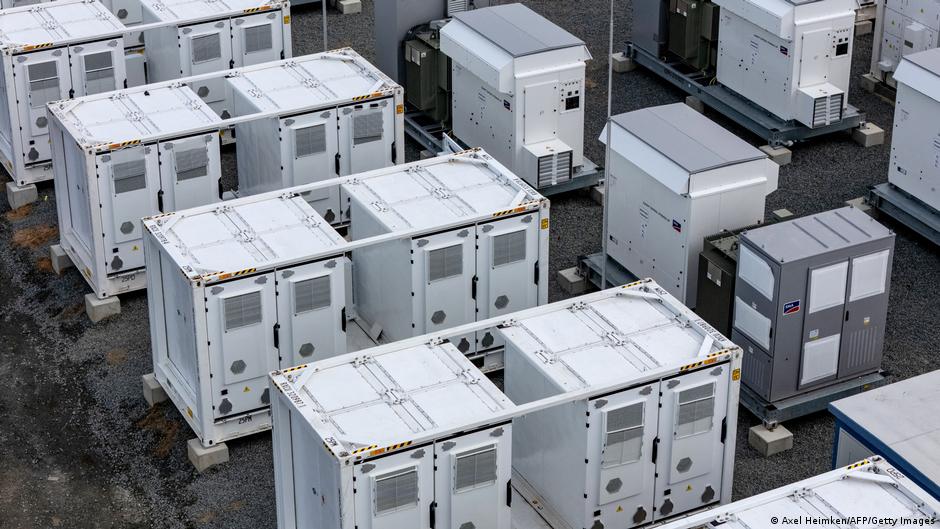
Europe needs to significantly expand its battery energy storage capacity to fully capitalize on its available renewable energy. Solar and wind sources provide large quantities of electricity, but production does not always coincide with peak consumption periods, creating a gap between supply and demand.
When the sun sets or the wind dies down, electrical grids must rely on alternative sources — typically coal or natural gas power plants — which raises carbon emissions and perpetuates dependence on fossil fuels despite substantial investments in clean energy.
A Viable Solution Facing Obstacles
Energy experts argue that increasing battery storage capacity can help stabilize electricity prices and reduce the need for conventional power plants, by storing surplus renewable energy during periods of high production and deploying it when needed.
Nevertheless, expansion of this sector in Europe continues to lag behind other regions of the world. Observers attribute this slowdown to the high cost of initial investment, the complexity of regulatory frameworks across EU member states, and the absence of clear and unified incentives to encourage companies to build large-scale storage facilities.
Some analysts also point out that current electricity markets were not originally designed to adequately value storage, making projects in this space less economically attractive compared to direct investment in generation capacity.
Amid continued volatility in global energy prices, observers note that European countries that succeed in accelerating the construction of energy storage infrastructure may be best positioned to achieve greater electricity price stability and reduce their exposure to fossil fuel supply shocks in the future.
Sources
- حين تغيب الشمس تبدأ الأزمة: لماذا تحتاج أوروبا إلى بطاريات عملاقة؟ — Deutsche Welle — Arabic
EGazette summarizes reporting from multiple sources; follow the links for the originals.
Comments
Loading comments…
Related articles

Growing backlash over data centers challenges Europe's AI ambitions
Protests are spreading across Europe against the large data centers powering AI, even as operators argue the facilities support digital sovereignty and energy independence.
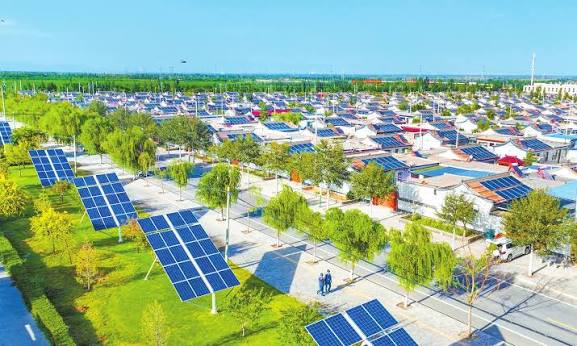
How solar power is reshaping rooftop traditions in Multan
As solar panels spread across the city, families in Multan are adapting long-held rooftop customs shaped by generations of summer heat.

Australian Backlash to Datacentres Is 'Faux Import' From US, Officials Say
Pro-datacentre officials argue the scale of Australia's buildout is smaller, more regulated and less damaging than in the US, saying 'we are not the United States.'

Swiss Voters Weigh Referendum to Enshrine Stricter Neutrality in Constitution
Switzerland is holding a referendum on whether to write a stricter definition of its long-standing neutrality into the constitution, as other historically neutral European states move closer to NATO.
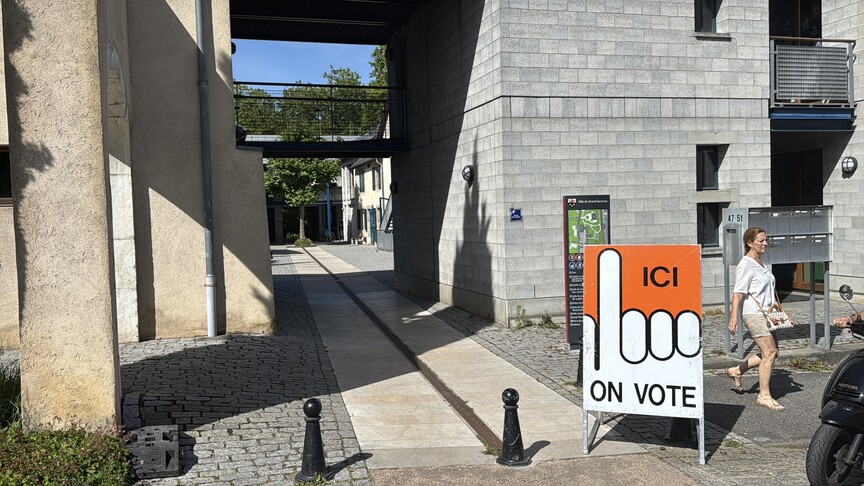
Swiss Voters Head to Polls Over Stricter Neutrality Rules
A referendum asking Swiss voters to enshrine stricter neutrality rules in the constitution appears set to fail, according to the latest pre-vote survey.
Poland's rapid rise in military spending raises questions about its economic path
As Warsaw drives up defence investment at one of the fastest rates in the developed world, analysts are weighing what the boom means for the country's broader growth story.