Scientific Study: The Brain Is Not a Single Organ but Develops From Two Distinct Cell Groups
Researchers discover that the forebrain and hindbrain develop from separate cellular origins from the earliest stages of fetal development, a finding that could transform our understanding of human brain development
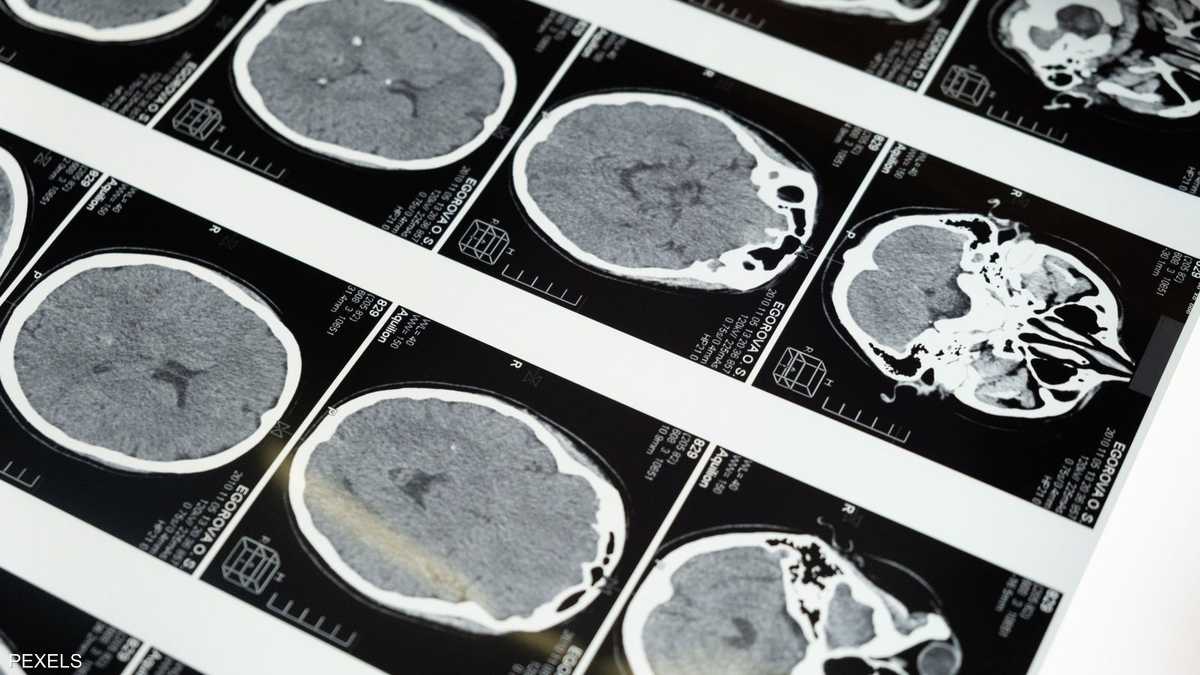
Scientists have made a scientific discovery that they describe as potentially transforming how humans understand brain development. A new study shows that the forebrain and hindbrain do not originate from a single source as previously believed, but rather from two distinct cell groups from the earliest stages of fetal formation, according to reporting by Sky News Arabic.
The report notes that the findings suggest the brain, which has traditionally been viewed as a single integrated organ, actually consists of parts that develop independently from each other early in fetal growth, before these components later connect and integrate to form the brain as we know it.
According to the study, this early differentiation between forebrain cells and hindbrain cells occurs during primitive embryonic stages, meaning that the developmental paths of each separate from the very beginning of nervous system formation.
The report does not provide additional details about the precise timing or the complete molecular mechanisms that explain this early separation between the two cell groups, nor does it specify the research institutions involved or the exact publication date of the original study.
Scientists believe this discovery could have significant implications for understanding certain developmental and neurological disorders, opening the door to future studies on how dysfunction in either of these cell groups might affect the development of specific brain regions differently.
The report has not mentioned any direct therapeutic applications resulting from this discovery, as the findings remain in the stage of basic scientific research into brain development mechanisms.
Sources
- الدماغ ليس عضوا واحدا.. علماء يكشفون مفاجأة علمية — Sky News Arabia — Technology
EGazette summarizes reporting from multiple sources; follow the links for the originals.
Related articles
Poison suspected in deaths of ten lions at Tanzania game reserve
The lions were discovered dead in the Ngorongoro Conservation Area, prompting wildlife officials to investigate.

European Space Agency Launches Two Satellites to Monitor Climate Change
The new satellites will help scientists study the effects of climate change, with one instrument dedicated to observing plant life

Exceptional Discovery of Denisovan Fossils in a Southwestern Chinese Cave
Extremely rare remains of these Asian "cousins" of Neanderthals have been unearthed alongside stone tools, shedding new light on their way of life.
Scientific American's October Retrospective Looks Back at Smallpox, Skyscrapers and Racetrack Research
A historical column published by Scientific American revisits science and technology milestones from 50, 100 and 150 years ago, touching on smallpox eradication efforts, skyscraper excavation work and research conducted at racetracks.

NASA's Astronomy Picture of the Day Features Analemma Over Scotland's Callanish Stones
The September 20, 2026 edition of NASA's long-running APOD series highlights a composite image showing the sun's yearly path above the ancient Callanish Stones.

New Archaeological Evidence Points to Hidden Passages Behind Tutankhamun's Tomb
Archaeological study reopens the file on the lost tomb of Queen Nefertiti after detecting indicators of undiscovered chambers and passages behind the walls of the young pharaoh's tomb in the Valley of the Kings
Comments
Loading comments…