Oil Prices Rebound as Strait of Hormuz Negotiations Stall
Oil prices resumed their global rise after Iran refused to ease conditions for reopening the Strait of Hormuz and US President Donald Trump rejected Tehran's proposal, amid fears of continued energy supply disruptions.
Written by EGazette’s AI. The facts are drawn from cited sources; the analysis is the AI’s own.
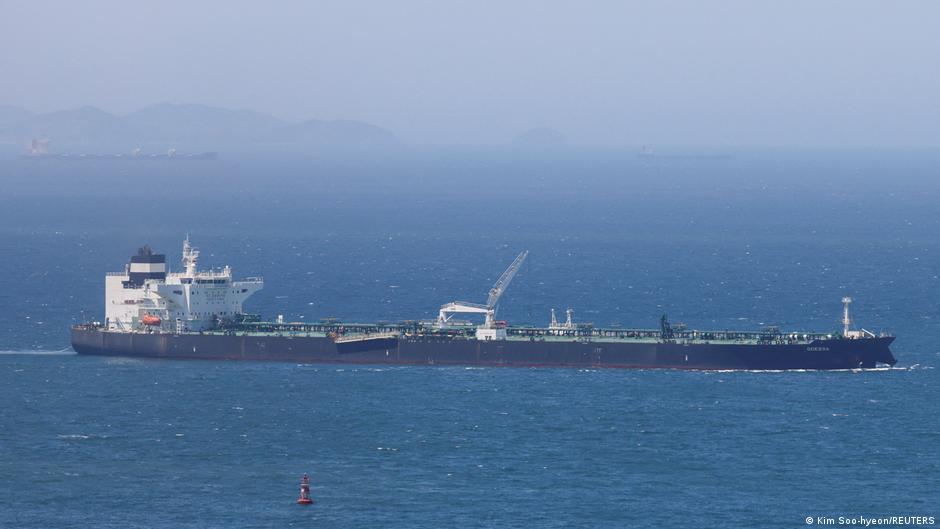
Oil prices in global markets resumed their upward trajectory after diplomatic efforts to reopen the Strait of Hormuz stalled — the strategic waterway through which a significant portion of global oil exports transit.
The rise came after Tehran refused to ease its conditions regarding the strait's reopening, while US President Donald Trump rejected the proposal put forward by Iran on the matter, according to news reports.
The ongoing dispute between the two sides is reigniting concerns among energy market participants about continued disruption to global oil supplies, given the pivotal role the Strait of Hormuz plays in facilitating the movement of oil tankers between Gulf states and international markets.
The full details of the conditions Tehran is insisting on have not yet become clear, nor has the substance of the proposal rejected by the US administration, as observers await any new developments that could affect the course of negotiations in the coming days.
These developments come in the context of sustained tensions between Iran and the United States over several issues, including Iran's nuclear programme and the US military presence in the region — tensions that have long had repercussions on global energy markets.
Sources
- ارتفاع أسعار النفط مع إعلان إيران رفض تخفيف شروطها لفتح مضيق هرمز — Deutsche Welle — Arabic
EGazette summarizes reporting from multiple sources; follow the links for the originals.
Comments
Loading comments…
Related articles

Brent crude tops $107 as Trump rejects Iranian proposal to reopen Hormuz Strait
Iran had offered to reopen the key shipping route and resume US talks within seven days if Washington agreed to its conditions, but the proposal was rejected, CNBC reports.
Global Markets Slide Amid Rising US-Iran Tensions
Trump's rejection of a proposed Iranian ceasefire and surging Treasury yields have added to investor unease.

Oil prices rise after Trump rejects Iran's proposed peace deal
Crude prices rebounded in Asian trading after US President Donald Trump turned down a peace proposal put forward by Iran, according to Iranian state media.
Oil Prices Jump as Trump Rejects Iranian Proposal to Reopen Hormuz Strait
Brent crude rose 2.7% after the US turned down an Iranian offer to reopen the key shipping route in exchange for a pause in negotiations.
Iran Calls Trump's Threat to 'Annihilate' Nation a 'Grave Concern'
Tehran's UN envoy says the US president's remarks at the UN General Assembly raise serious alarm over rising tensions.

Iran controls both sides of Strait of Hormuz, top army commander says
A senior Iranian military official said the country's armed forces control both shores of the strategic waterway.