German economy records fragile recovery amid energy and debt pressures
Economic growth is resuming in Germany, driven by government spending, while reports warn that the foundations of this recovery remain unstable.
Written by EGazette’s AI. The facts are drawn from cited sources; the analysis is the AI’s own.
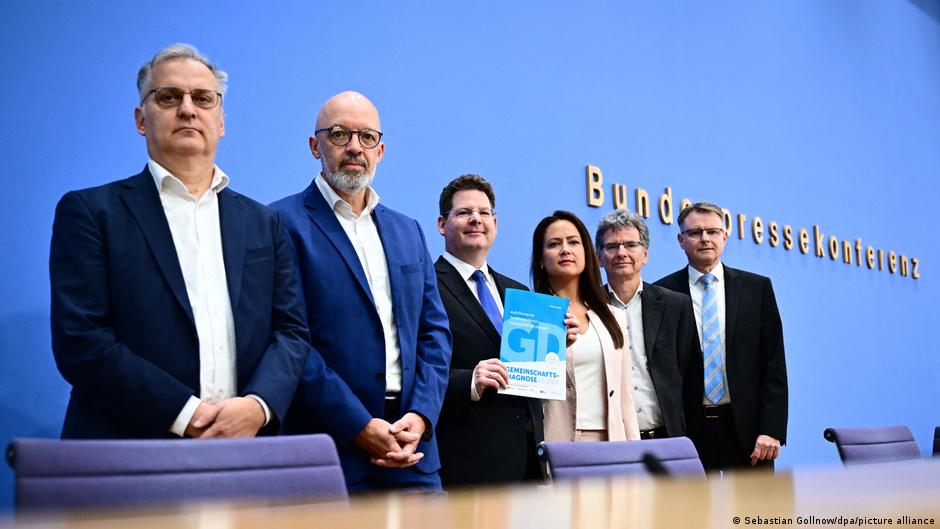
Europe's largest economy, Germany, is returning to growth after a period of recession, though this recovery rests, according to observers, on unstable foundations that raise questions about its long-term sustainability.
Much of the continued momentum in the German economy is attributed to rising levels of government spending, which has helped offset some weakness in other sectors and support overall economic activity.
Meanwhile, the pressures facing the German economy are intensifying as a result of several converging factors, most notably rising energy prices, mounting debt levels, and a persistent shortage of skilled workers — factors that observers believe could limit the economy's ability to achieve stable, solid growth in the period ahead.
Economic observers note that continued reliance on government spending as the primary driver of growth, rather than private sector activity, could leave the current recovery more vulnerable to volatility if the pace of spending declines or if energy- and debt-related pressures worsen.
No official steps have been announced to address these challenges, while those tracking the German economy await further developments to determine whether this growth will solidify into a sustained recovery or remain fragile against the backdrop of existing pressures.
Sources
- انتعاش الاقتصاد الألماني.. لكن على أسس غير مستقرة — Deutsche Welle — Arabic
EGazette summarizes reporting from multiple sources; follow the links for the originals.
Comments
Loading comments…
Related articles
Germany's import inflation hits highest level since 2022 amid soaring energy prices
German import prices rose 8.3%, marking the highest level of import inflation since 2022, driven largely by soaring energy costs.
Russia Extends Ban on Diesel and Marine Fuel Exports Until October 31
Moscow has prolonged the temporary restriction on fuel exports by producers amid the ongoing harvest season.
Turkey's exports rise 8.1% in August as Germany remains top market
Turkish exports grew year-on-year in August, with Germany continuing to be the country's single largest export destination.
Germany's Economy Returns to Growth, but Analysts Warn Foundations Remain Fragile
Renewed growth in the German economy is being propped up largely by high government spending, even as energy costs, debt and labor shortages weigh on the outlook.

US Consumer Confidence Hits Lowest Level Since 2014 Ahead of Midterms
Rising goods and fuel costs are cited as key drivers of the sharp decline, coming as the country heads toward midterm elections.
Germany Says No Plans to Restart Nord Stream Pipelines
German Foreign Minister Johann Wadephul said Berlin has no intention of relaunching the Nord Stream gas pipelines or returning to energy dependence on Russia.