Dina Izzat Case Exposes a Growing Crisis of Trust Between Egyptians and the Official Narrative
The controversy surrounding the case extends beyond its specifics to raise deeper questions about declining trust in government narratives and the role of social media.
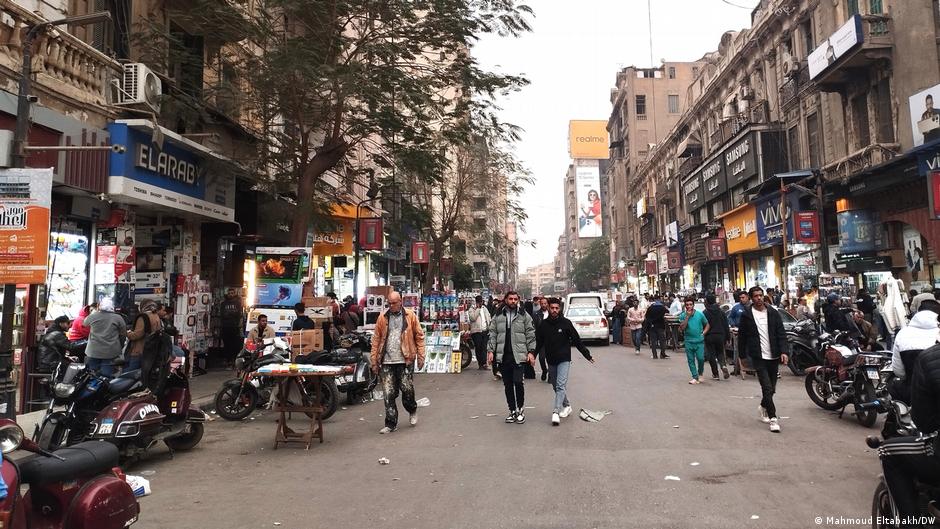
The Dina Izzat case ignited widespread controversy in Egyptian public discourse, as opinion was split between those who supported her account and those who defended the position announced by the Interior Ministry regarding the incident.
While the details of the case itself were at the heart of the initial debate, the controversy quickly expanded beyond its immediate scope to raise a deeper question about the extent to which broad segments of Egyptians trust the official narratives issued by government bodies.
Declining Trust in the Official Narrative
Observers note that the growing tendency among some Egyptians to question the official account is not necessarily tied to the specifics of each incident, but rather reflects an accumulated set of past experiences that have shaped the level of public trust between citizens and official institutions.
Social media platforms are playing an increasingly significant role in shaping this discourse, having become a parallel space for circulating competing narratives and amplifying opposing viewpoints before official bodies have issued their final positions on any given incident.
The details of the Dina Izzat case continue to be the subject of wide public debate, as observers watch to see whether the controversy will influence how official institutions handle similar high-profile cases in the future.
Sources
- دينا عزت مقابل رواية الداخلية.. معركة ثقة تتجاوز تفاصيل القضية — Deutsche Welle — Arabic
EGazette summarizes reporting from multiple sources; follow the links for the originals.
Related articles
Tech Firm CEO and Russian National Charged With Concealing Company's Russian Ties From U.S. Government
Prosecutors allege Oxygen Forensics, whose customers included numerous federal agencies, hid who really controlled the firm for years.
Frome council rejects residents' £1m community regeneration bid
Somerset officials have instead agreed a deal with a London-based real estate company, dealing a blow to a resident-led plan for homes, workspaces and a riverside park.

Russia's Election Authority to Certify Final Tally of Legislative Vote
The commission is set to announce the distribution of all 450 parliamentary mandates following thousands of local electoral campaigns.
Berlin's Housing Crisis Fuels Rise of a New Political Voice, Columnist Argues
Guardian columnist Fatma Aydemir argues that politician Elif Eralp's focus on affordable housing addresses a need mainstream parties have failed to meet.

One Nation admits using party funds to build $56,000 shed on staffer's private property
The Australian political party said money was lent to a linked company to establish a micro-distillery on chief of staff James Ashby's land.

Meloni government bans burqas, caps foreign student numbers in Italian schools
The move comes as migration and integration remain a hot campaign issue ahead of Italy's 2027 election.
Comments
Loading comments…