Arsenic Contamination in Southern Punjab Groundwater Raises Health Concerns
Tests in Layyah and Muzaffargarh districts have found arsenic levels exceeding permissible limits, according to a report by the Associated Press of Pakistan.
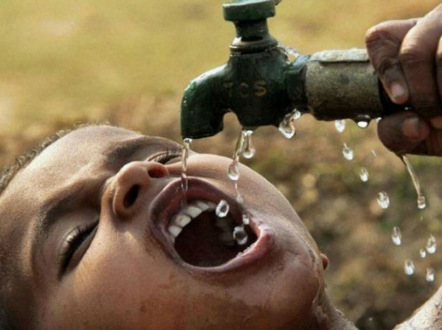
Arsenic contamination in groundwater has emerged as a growing concern in parts of southern Punjab, according to a report published by the Associated Press of Pakistan (APP).
The report identified Layyah and Muzaffargarh districts as areas of particular concern, stating that tests conducted there detected arsenic concentrations exceeding permissible limits in several locations.
According to APP, the findings have raised alarm over the health of communities that depend on untreated groundwater for daily use, though the report did not specify the exact concentration levels recorded or the number of sites tested.
The report did not name the agency or researchers responsible for conducting the tests, nor did it detail any specific health effects observed among residents or outline any response planned by local or provincial authorities.
Arsenic is a naturally occurring element that can enter groundwater through geological formations and is known to pose serious health risks when consumed above safe thresholds over extended periods, though the APP report did not elaborate on the specific risks associated with the levels found in southern Punjab.
APP's report underscores the reliance of communities in the affected districts on untreated groundwater sources, without detailing what, if any, alternative water supply or treatment measures are currently available to residents.
Sources
- Invisible poison in southern Punjab’s water raises alarm — APP (Pakistan)
EGazette summarizes reporting from multiple sources; follow the links for the originals.
Related articles
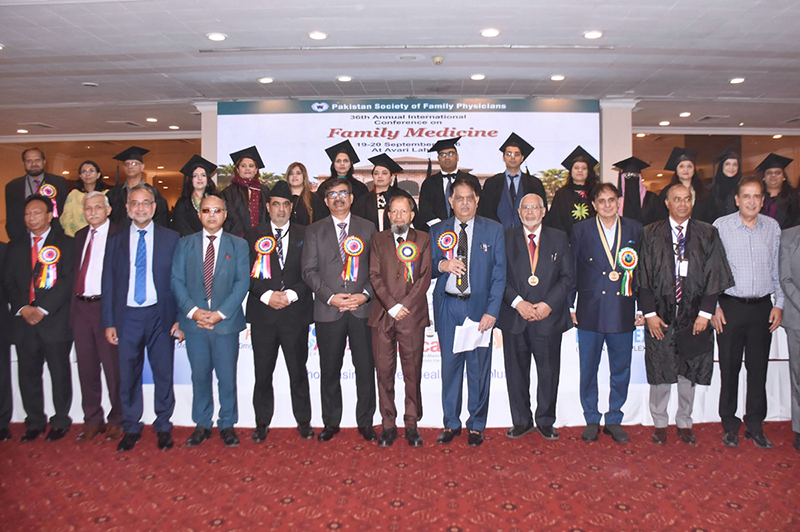
Society of Family Physicians Holds Annual Conference
Medical professionals and officials gathered at a local hotel for the event, according to a photo published by the Associated Press of Pakistan.
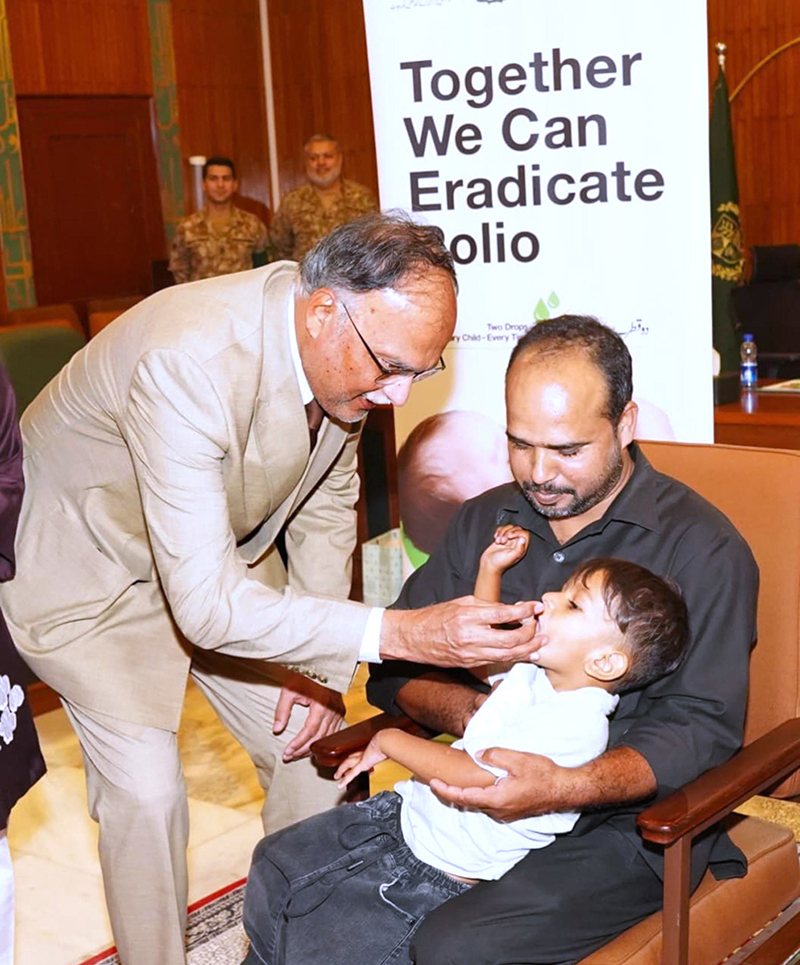
Pakistani Minister Administers Polio Drops at National Taskforce Meeting
Ahsan Iqbal, who chairs the Prime Minister’s Committee on the National Taskforce for Polio Eradication, gave polio drops to a child during a committee meeting, according to the Associated Press of Pakistan.

Dozens killed in attack on northwestern Pakistani city
An armed group carried out an assault in a northwestern city, leaving multiple casualties.
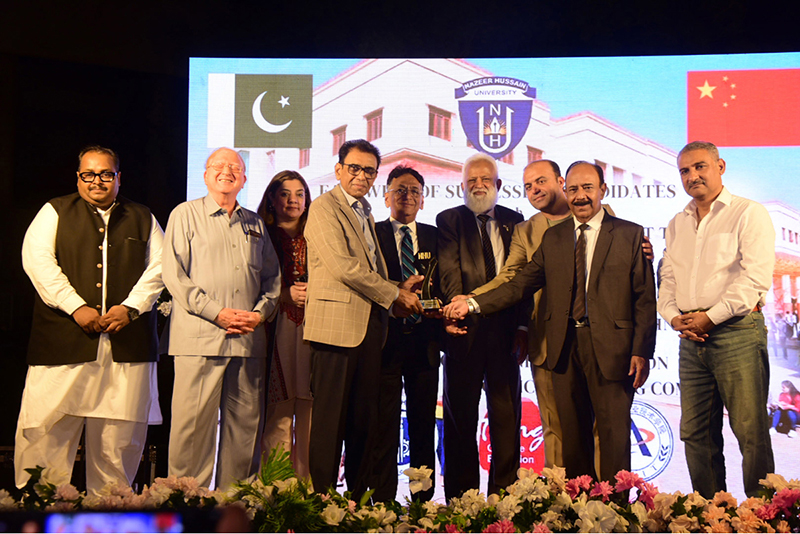
First Batch of IOD Diploma Students Departs for China, Minister Honored at Ceremony
Federal Minister for Education Dr Khalid Maqbool Siddiqui was presented with a shield during a send-off event for students traveling to China under an IOD diploma program.
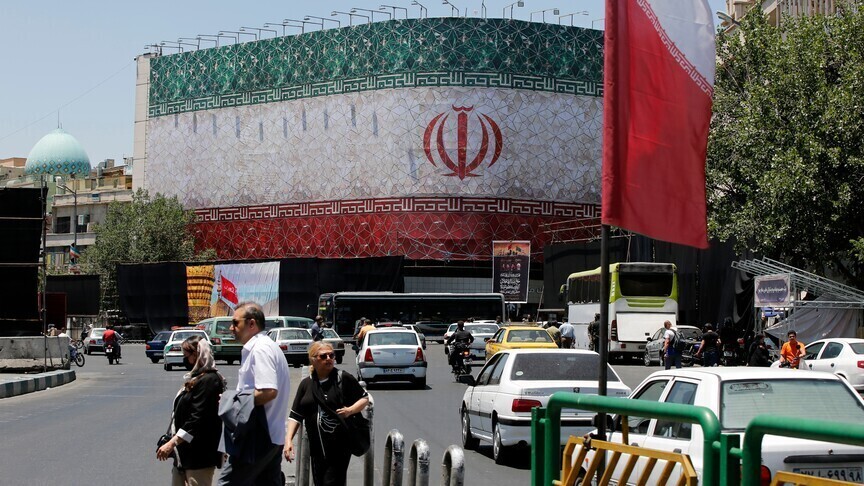
Iran Urges US to Honor June Framework Deal Brokered by Pakistan
An Iranian Interior Ministry spokesman said Tehran wants Washington to return to a framework agreement reached in June with Pakistani mediation, according to Anadolu Agency.
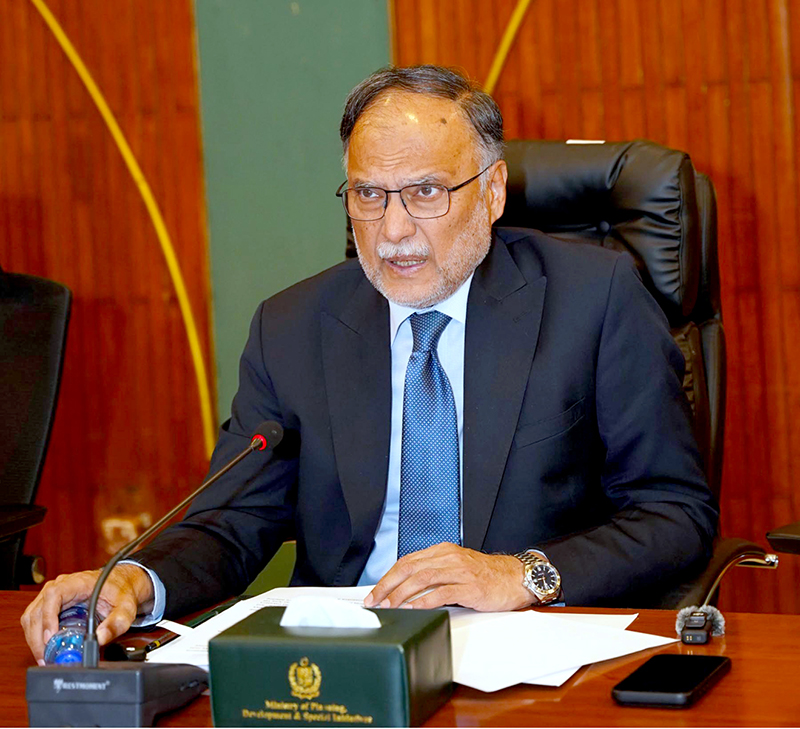
Pakistan's Planning Minister Chairs Multi-Party Talks on Civil Service Reforms
Ahsan Iqbal led a consultative session bringing together representatives from multiple political parties to discuss reforms to the civil service
Comments
Loading comments…