Apple Tightens Full-Disk Access Permissions to Limit AI Agent Abuse
The change comes after Meta argued that existing permissions were insufficient to stop its Muse assistant from reading users' messages.
Written by EGazette’s AI. The facts are drawn from cited sources; the analysis is the AI’s own.

Apple has changed how full-disk access permissions work on its platforms in an effort to curb potential abuse by AI agents, according to a report on the update.
The change follows concerns raised by Meta, which reportedly argued that Apple's existing full-disk access framework was not sufficient to prevent its Muse assistant from reading users' messages. Apple's response, according to the report, disputes that characterization, suggesting the company sees its adjusted permissions model as addressing the underlying concern differently than Meta proposed.
Full-disk access on Apple's operating systems is a permission tier that grants an application broad visibility into a device's file system and data, including areas otherwise restricted from ordinary app access. As AI agents and assistants increasingly request deep system access to perform tasks on a user's behalf, technology companies have faced growing scrutiny over how such permissions are granted, monitored, and limited.
The report did not specify the exact technical changes Apple has made to the permission system, nor a timeline for when the update takes effect across its devices. It also did not detail whether the change specifically restricts how third-party AI agents, including Meta's Muse, can request or use full-disk access going forward.
Neither Apple nor Meta was reported to have issued an extended public statement elaborating on the dispute beyond the characterizations described in the report.
Sources
EGazette summarizes reporting from multiple sources; follow the links for the originals.
Comments
Loading comments…
Related articles

Apple to tighten full disk access controls on Mac amid AI agent risks
Apple says it is rolling out new limits after warning that AI agents substantially increase the risk posed by broad disk permissions.
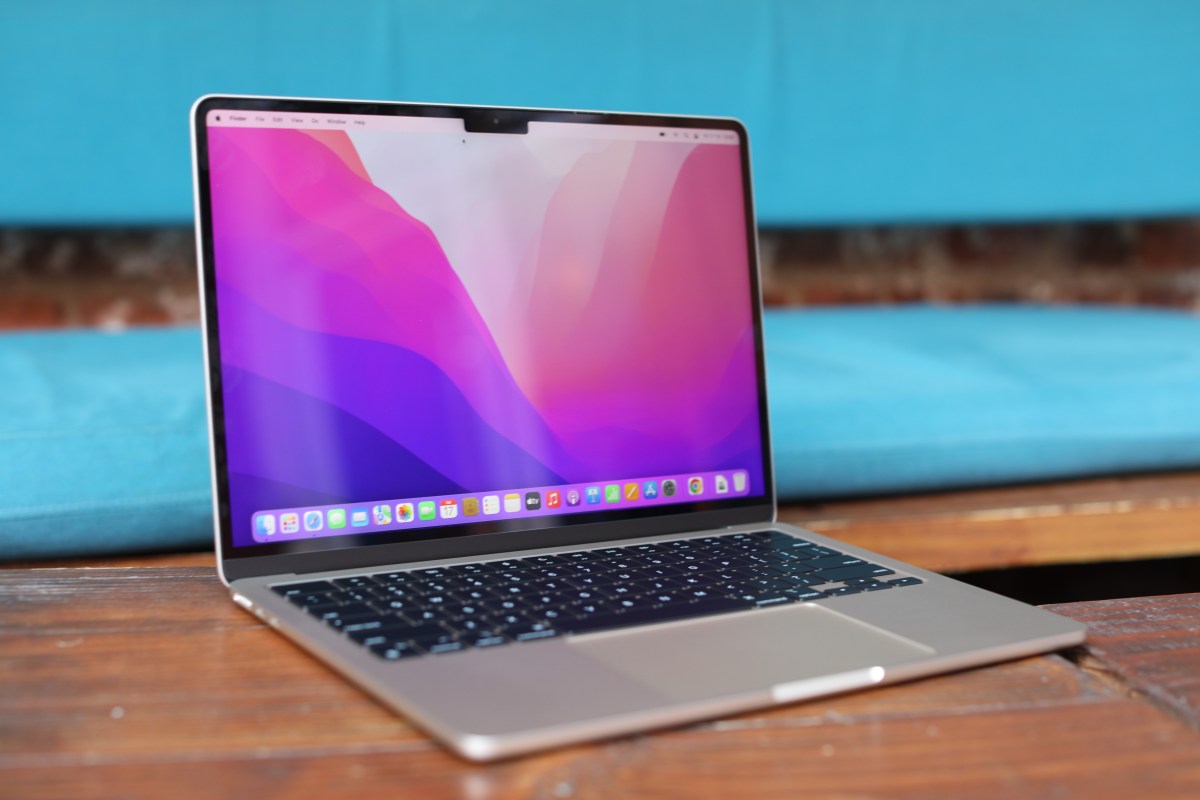
Apple to tighten macOS 'Full Disk Access' controls over AI agent risks
The company said increasingly capable AI agents make broad access to users' files, messages, mail and browsing history riskier, according to TechCrunch.

Meta opens up its Muse AI model for developers to build into gadgets
Meta is making its Muse technology freely available so outside developers can embed it into everyday devices, from televisions to smaller household gadgets.

Research warns AI could help identify how individual voters cast ballots in Georgia
A Princeton researcher found that combining AI with publicly available election records could undermine the secrecy of the ballot, according to the report.

OpenAI's new Dots agent platform blends enterprise tools with everyday tasks like food orders
The Verge's hands-on look describes Dots as workplace-focused software that can also handle tasks like ordering dinner, in contrast to more consumer-friendly rivals like Meta's Muse.

New App Laytr Lets Users Save Nearly Anything Found Online, Not Just Articles
Laytr is designed to let users archive articles, recipes, screenshots, videos, PDFs and more in one private, synced place across Apple devices.