Antarctic Ozone Hole Grows Above Average in Early September, EU Agency Says
Copernicus Atmosphere Monitoring Service warns the seasonal hole is expanding sharply and could continue to grow
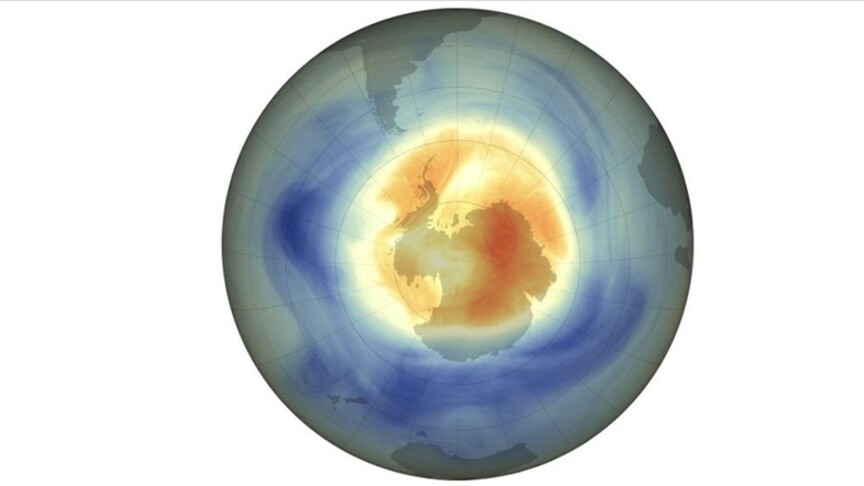
The Antarctic ozone hole has expanded to a size above the seasonal average in early September, according to the European Union's Copernicus Atmosphere Monitoring Service (CAMS).
CAMS, which is part of the EU's Copernicus Earth observation program, said the hole is expanding sharply and could grow further in the coming weeks, according to Anadolu Agency.
The Antarctic ozone hole typically forms each year during the Southern Hemisphere spring, from August to October, as the stratospheric ozone layer above the continent thins due to chemical reactions involving ozone-depleting substances and specific atmospheric conditions.
Scientists have monitored the annual phenomenon for decades, tracking its size and severity as an indicator of stratospheric ozone conditions. The ozone layer plays a critical role in shielding the Earth's surface from harmful ultraviolet radiation.
CAMS did not immediately provide specific figures comparing this year's hole size to historical averages, but indicated that current monitoring shows a trend of expansion above typical levels for this point in the season.
The agency continues to track the hole's development using satellite data and atmospheric models, with further updates expected as the Southern Hemisphere spring progresses.
Sources
- Antarctic ozone hole expands above average in early September: EU climate agency — Anadolu Agency (Turkey)
EGazette summarizes reporting from multiple sources; follow the links for the originals.
Related articles

Hummingbird Hawk Moths and Ivy Bees Reported Thriving as Temperatures Rise
BBC Science & Environment reports sightings of insects often mistaken for small birds, linked to warming conditions in parts of the UK

Russian Scientists Identify Previously Unknown Warm Surface Current in Arctic
Researchers say data from 25 Arctic expeditions spanning nearly three decades helped trace the source of an unrecognized warm water flow

Rain brings return of green to drought-hit England and Wales
After the UK's hottest summer on record left southern landscapes scorched brown, recent rainfall is helping grasslands slowly regain their colour, though much of the country remains in drought.
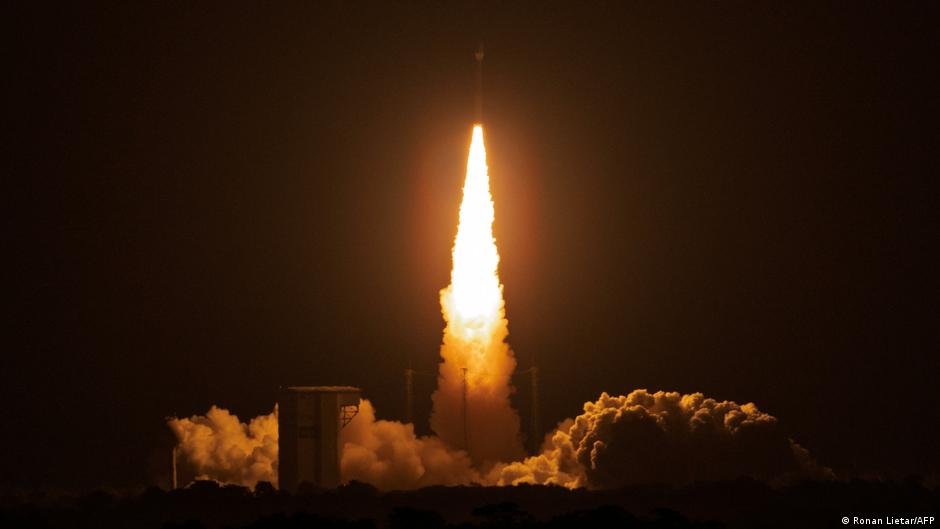
European Space Agency Launches Two Satellites to Monitor Climate Change
The new satellites will help scientists study the effects of climate change, with one instrument dedicated to observing plant life
Scientific American's October Retrospective Looks Back at Smallpox, Skyscrapers and Racetrack Research
A historical column published by Scientific American revisits science and technology milestones from 50, 100 and 150 years ago, touching on smallpox eradication efforts, skyscraper excavation work and research conducted at racetracks.

NASA's Astronomy Picture of the Day Features Analemma Over Scotland's Callanish Stones
The September 20, 2026 edition of NASA's long-running APOD series highlights a composite image showing the sun's yearly path above the ancient Callanish Stones.
Comments
Loading comments…