Analyst says Trump treats US-China ties as personal, while Xi sees Washington as a rival to manage
China expert Henrietta Levin says President Trump's personalized approach to Xi Jinping gives Beijing openings it can exploit, since Xi views the relationship in far more strategic terms.

The contrasting ways US President Donald Trump and Chinese President Xi Jinping approach their bilateral relationship could be shaping the balance of the US-China rivalry, according to Henrietta Levin, a senior fellow with the Freeman Chair in China Studies at the Center for Strategic and International Studies in Washington.
Speaking to France 24, Levin said Trump tends to treat the relationship with Xi in highly personalized terms, an approach she said offers openings that Beijing can readily exploit. Xi, by contrast, does not reciprocate that framing, instead viewing the United States as an adversary to be carefully managed while China pursues its own domestic priorities and strategic objectives across Asia, including on Taiwan.
Levin's analysis suggests that despite the United States' considerable structural power in the relationship, that power does not automatically translate into leverage at the negotiating table, particularly when the two leaders approach their engagement with such different mindsets and objectives.
The assessment comes amid continued attention to how the world's two largest economies manage an increasingly complex relationship spanning trade, technology competition and security issues in the Indo-Pacific region, including the unresolved status of Taiwan.
Analysts like Levin argue that understanding this asymmetry in approach is important for assessing how future high-level engagements between the two leaders might unfold, and whether personal rapport can substitute for a coherent long-term strategy.
Sources
- 'Trump views US-China relations as a personal friendship: Xi views US as an adversary to be managed' — France 24 — English
EGazette summarizes reporting from multiple sources; follow the links for the originals.
Related articles
Trump and Xi Open Washington Summit to Discuss Taiwan, AI, Trade and Iran
The US and Chinese leaders began a high-profile meeting in Washington covering some of the most contentious issues in the bilateral relationship.
Trump Greets Xi Jinping for State Visit at the White House
The two leaders are set to hold closed-door bilateral talks and deliver remarks before an evening state dinner, with trade, Taiwan and AI among the key points of tension.
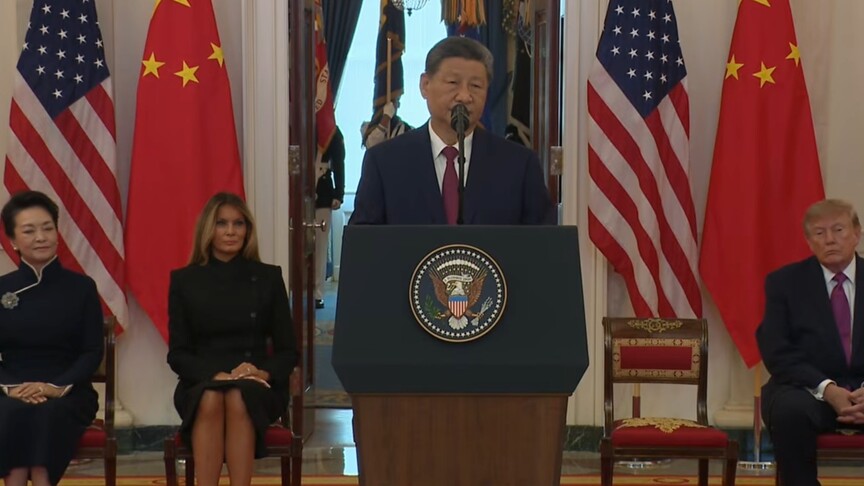
Xi calls for trust and 'healthy' competition as Trump hosts Chinese leader
Chinese President Xi Jinping says the two countries stand to gain from cooperation but would both lose from confrontation, as he met with US President Donald Trump.
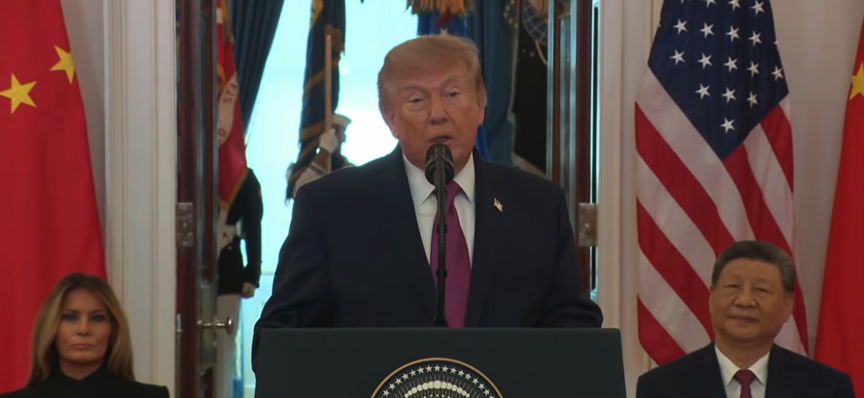
Trump Says US-China Decisions on Security, Tech and AI Could Bring 'Decades' of Peace
Speaking alongside his Chinese counterpart, the US president pointed to new market access for American farmers and ranchers as part of a more balanced trade relationship.

Trump Greets Xi Jinping on Tarmac in Rare Presidential Welcome for State Visit
In an unusual gesture, President Trump personally met Chinese leader Xi Jinping as he landed near Washington for a three-day state visit.
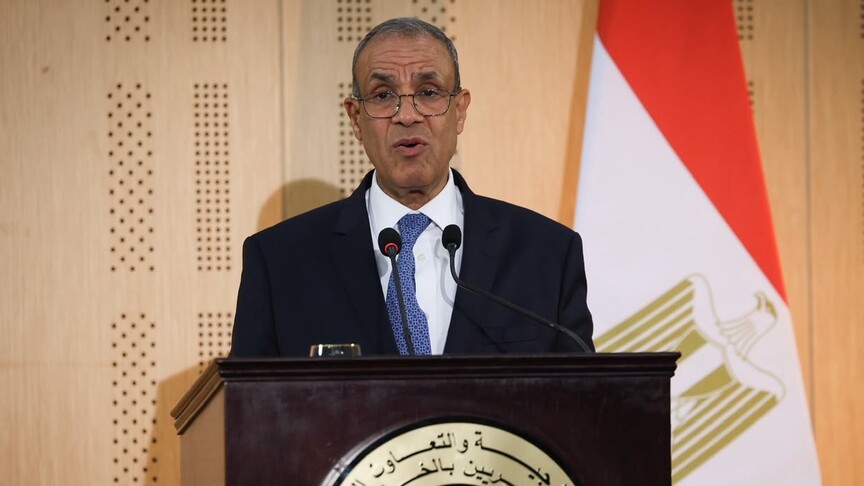
Egypt Urges 'Sustained' Humanitarian Access to Gaza, Start of Early Recovery
Egypt's foreign minister has stressed the need to preserve the unity and contiguity of Palestinian territory, including Gaza, the occupied West Bank and East Jerusalem.
Comments
Loading comments…