Analyst Says Lula Remains 'Strong Candidate' Amid Brazil's Political Polarisation
Andreza Aruska de Souza Santos of King's College London says Brazil's economic indicators and public sentiment are diverging ahead of upcoming elections.

Brazil's approaching elections can be viewed through competing prisms, according to Andreza Aruska de Souza Santos, Director of King's Brazil Institute at the School of Global Affairs, King's College London and Associate Professor in Brazil and Latin American Studies, who spoke on France 24's Spotlight program hosted by François Picard.
According to Aruska, macroeconomic performance and political confidence in Brazil are moving on different tracks. She said that while headline economic indicators may suggest a relatively well-performing economy, many Brazilians are experiencing a harsher reality shaped by the cost of living and a volatile job market.
Despite the challenges typically associated with incumbency, Aruska described President Luiz Inácio Lula da Silva as remaining a "strong candidate" heading into the elections, in a political landscape she characterized as polarised.
The analysis points to a disconnect between macroeconomic data and the lived economic experiences of ordinary Brazilians as a key factor shaping the political climate ahead of the vote.
Sources
- 'Polarised Brazil': Lula remains a 'strong candidate' despite the challenges of incumbency — France 24 — English
EGazette summarizes reporting from multiple sources; follow the links for the originals.
Related articles
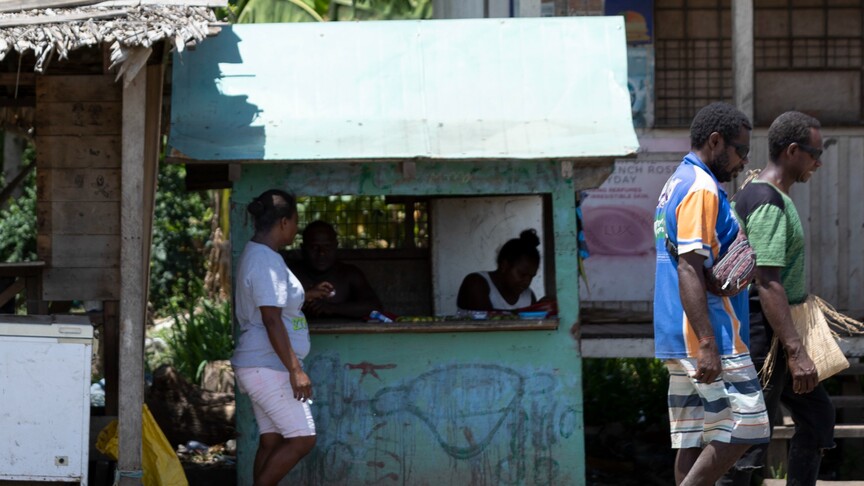
Japan Pledges Support to Help Solomon Islands Hold Fair Elections
Tokyo's assistance is being viewed as part of broader efforts to deepen ties with Pacific island nations amid growing Chinese influence in the region, according to Anadolu Agency.

Russian Diplomat Says Regional Authorities, Military Prepared for Alleged Ukrainian Interference During Voting
A senior Russian foreign ministry official claimed local authorities in Russian-controlled areas have experience managing security during elections amid what he described as potential Ukrainian provocations.

CDU Wins Just 4.9% in Mecklenburg-Western Pomerania, Election Body Says
The state election commission reported a sharp drop in support for Chancellor Friedrich Merz's party in the northeastern German state

United Russia Leads Preliminary Vote Count With Half of Ballots Processed
Russia's Central Election Commission reports early results showing the ruling party ahead, with the Communist Party in second place, according to TASS.
Russian Election Authority Reports Turnout at 45.1% in Parliamentary Vote
Russia's Central Election Commission said voter turnout reached 45.1% in the latest parliamentary election, according to a statement on its website.
Russia's Parliamentary Elections Reach Final Day of Voting
Polling was set to conclude across Russia's time zones, with first results expected after stations close in the Kaliningrad exclave, according to TASS.
Comments
Loading comments…