Analysis: The Two Big Decisions Facing the UK Chancellor
BBC economics editor Faisal Islam outlines the key choices the chancellor must weigh amid lingering economic pressure from the Iran conflict.
Written by EGazette’s AI. The facts are drawn from cited sources; the analysis is the AI’s own.
The UK chancellor faces two significant decisions in the coming period, according to BBC economics editor Faisal Islam, as the government works to sustain modest economic optimism while accounting for the lasting effects of economic pressures tied to the Iran conflict.
The first decision centers on how long the economic disruption stemming from the Iran-related tensions is likely to persist, and how that should factor into fiscal and monetary planning. Islam notes that the chancellor must judge whether these pressures represent a temporary shock or a more prolonged drag on growth, a distinction that carries significant implications for budget planning.
The second decision concerns how to balance continued signals of economic optimism with the underlying uncertainty created by these external pressures. Government officials have sought to project confidence in the economy's trajectory even as questions remain about the durability of that outlook given ongoing geopolitical strain.
Islam's analysis suggests that how the chancellor navigates these two questions will shape key aspects of upcoming fiscal policy, including decisions that could affect government spending, taxation and borrowing plans in the near term.
The chancellor's office has not detailed specific policy responses to either issue, with further clarity expected as economic data and geopolitical developments continue to unfold in the coming weeks.
Sources
- Faisal Islam: The two big decisions the chancellor must make — BBC Business
EGazette summarizes reporting from multiple sources; follow the links for the originals.
Comments
Loading comments…
Related articles
BBC analysis: chancellor faces two big calls ahead of the Budget
The BBC's Faisal Islam says the chancellor must weigh the lasting economic pressure from the Iran war and how to sustain modest optimism ahead of the Budget.
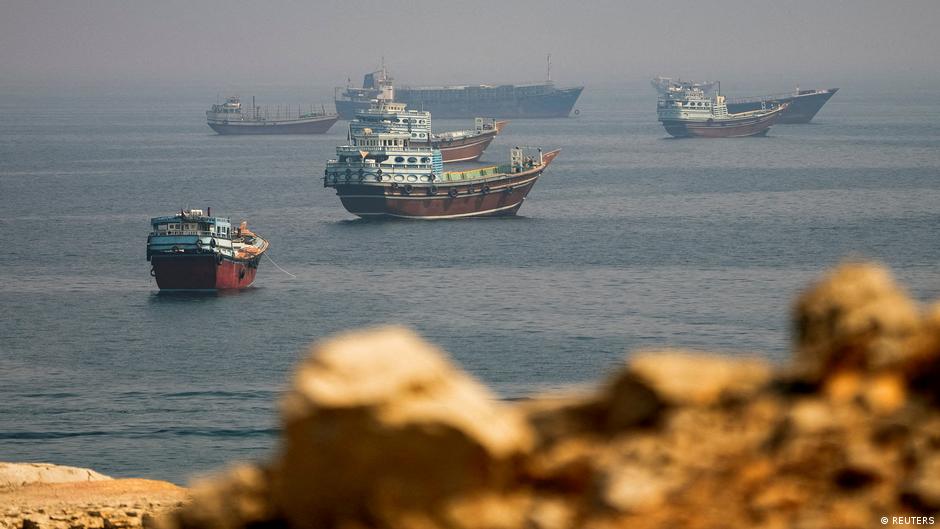
Iran Says It Has Not Received Formal Rejection of Hormuz Plan Despite Trump's Comments
Iranian officials say they are aware of President Trump's public comments rejecting Tehran's plan for the Strait of Hormuz but have not received any formal message to that effect.

Iran Sweeps Kyrgyzstan in Straight Sets to Open 2026 Asian Games Volleyball Campaign
Iran's men's volleyball team began its 2026 Asian Games campaign with a straight-sets win over Kyrgyzstan on Sunday.
Iran's Army Chief Says Conflict With US and Israel Is Not Over
Iran's top army commander said the country remains at a critical juncture and warned that adversaries should be prepared for further military response.

Iran's Pezeshkian Hails Ties with Turkmenistan on Independence Day
President Masoud Pezeshkian congratulated Turkmenistan's leadership on its Independence Day, voicing hope for deeper bilateral cooperation between the two neighboring nations.

St. Petersburg Institute Explores Establishing Persian Language Department
A Russian university's rector expressed interest in launching a Persian language department during a visit by Iran's Culture Minister to Saint Petersburg.