Analysis: Dover and Portsmouth Protests Signal Shift in Far-Right Tactics, Researcher Says
An opinion piece by Hope Not Hate's Joe Mulhall argues that coordinated, masked demonstrations at UK ports over the weekend represent a new form of vigilante mobilisation that caught authorities off guard.
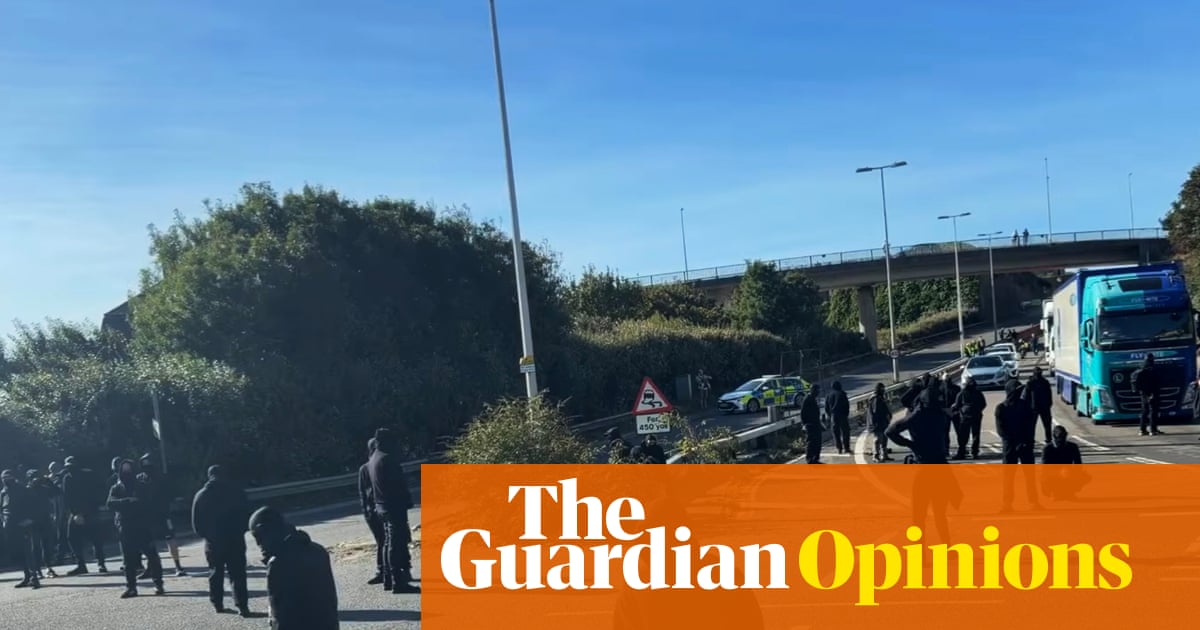
A commentary published by The Guardian has described recent far-right demonstrations in Dover and Portsmouth as marking a departure from previous patterns of anti-migrant protest in Britain, according to the article's author, Joe Mulhall, director of research at the anti-fascism organisation Hope Not Hate.
According to the piece, at approximately 7am on Saturday, hundreds of men dressed in black and wearing balaclavas emerged from vans and blocked roads around Dover port. The author states that police appeared to have no advance knowledge of the action.
Mulhall's article contrasts this event with more familiar forms of far-right activity in recent years, including large demonstrations led by Stephen Yaxley-Lennon, also known as Tommy Robinson, in central London, as well as hundreds of smaller local protests outside hotels and houses in multiple occupation (HMOs) used to house asylum seekers.
The author characterizes the Dover and Portsmouth events as involving a "network of vigilantes" who, in his assessment, mobilised in what he describes as a context of inaction by politicians and police. The piece frames this as a new and, in the author's words, dangerous development in far-right organising within the UK.
The article is presented as opinion commentary by Hope Not Hate's research director rather than as a straight news report, and reflects the author's analysis and interpretation of the events. The Guardian has not, according to the excerpt provided, included independent verification from police or government sources regarding the claims made about advance police knowledge or the described scale of the protests.
Sources
- Dover and Portsmouth showed us a new kind of far right – and the authorities were caught out | Joe Mulhall — The Guardian — Opinion
EGazette summarizes reporting from multiple sources; follow the links for the originals.
Related articles

Man splashes wine into Hungarian premier's face during public appearance
An unidentified individual threw wine at Prime Minister Viktor Orbán in what authorities are treating as a protest incident.
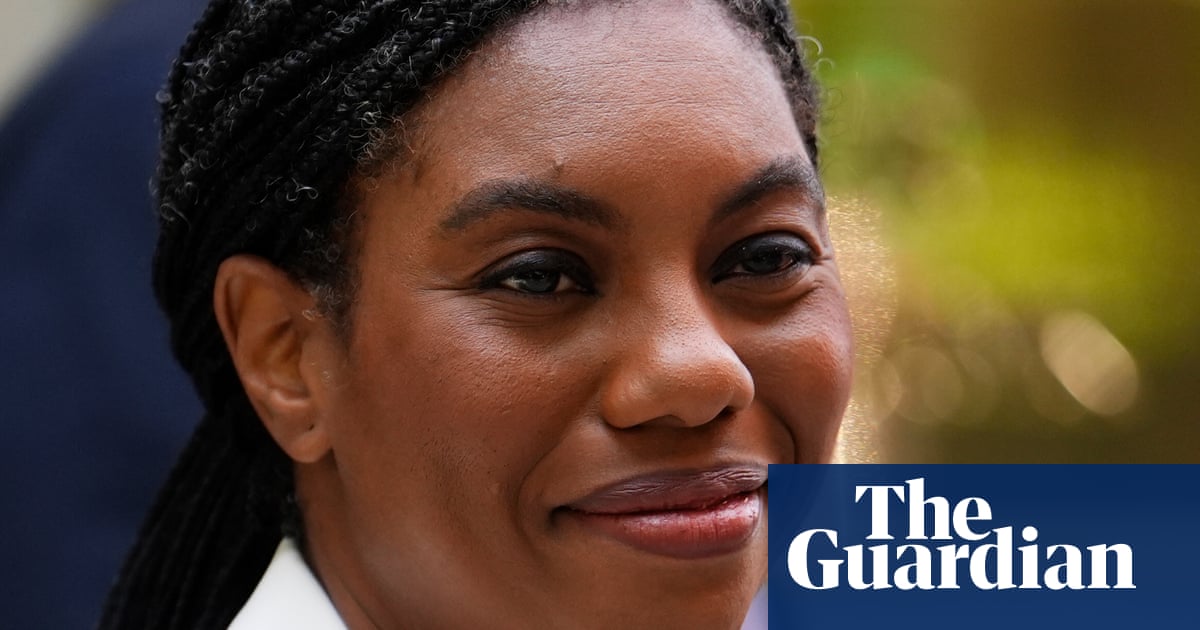
Badenoch Accuses Burnham of ‘Fiddling While Europe Risks Burning’ Over Defence Spending
Conservative leader renews call for welfare cuts to fund higher military budgets, accusing the prime minister of delay on defence policy
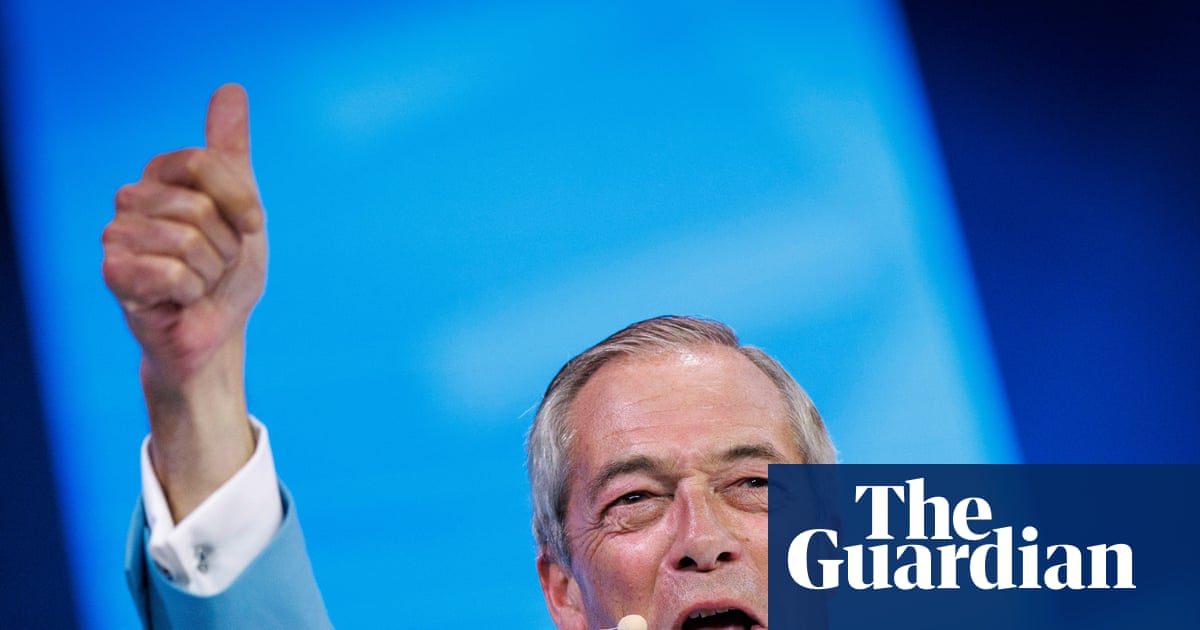
Farage says he wants to 'hijack' Trump's ICE czar to help secure UK border
The Reform UK leader told a US event that Europe should take a "more sensible view" of the Trump administration.
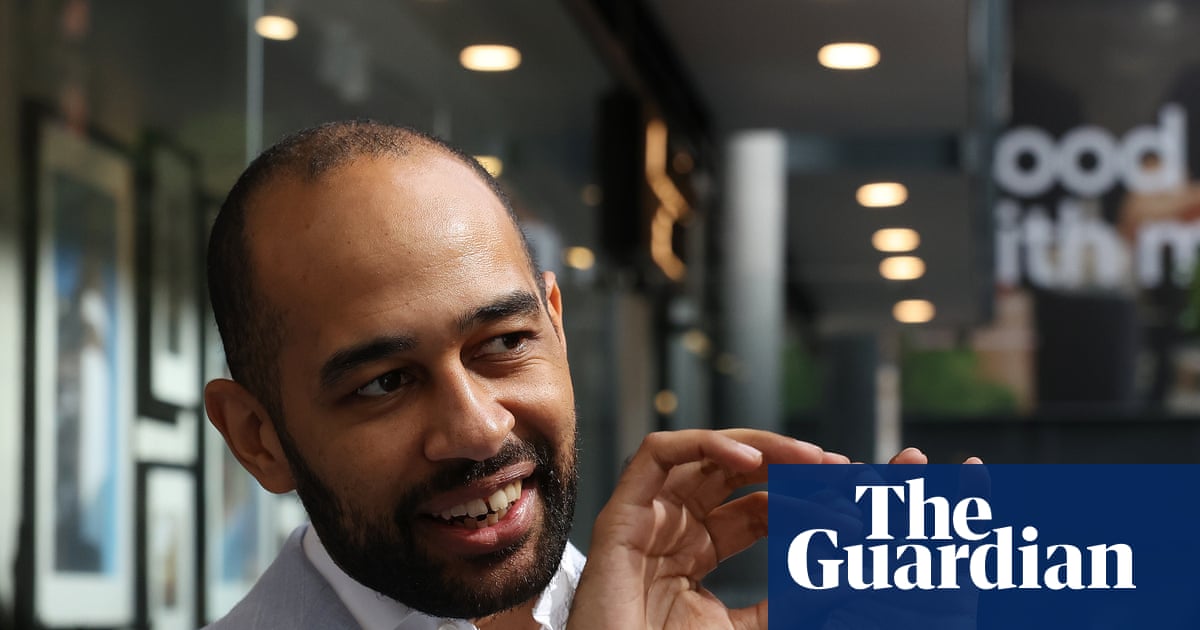
Lib Dem President Josh Babarinde Calls for Party to ‘Flip the Table’ Ahead of Brighton Conference
Babarinde says the Liberal Democrats must target big tech and cryptocurrency billionaires while redistributing power and money to the public, according to the Guardian.

Germans Vote in State Elections Seen as Test for Chancellor Merz
Voters in two German states cast ballots Sunday in polls that could boost far-right and far-left parties and add to pressure on the chancellor's coalition.
Australian PM Rejects EU Membership Speculation Amid Migration Policy Clash
Prime Minister Anthony Albanese ruled out Australia joining the EU while defending his government's immigration stance against One Nation's proposals.
Comments
Loading comments…