America gave up its rare earth edge, and China took full advantage
Decades of relying on cheaper imports left the US dependent on China for critical rare earth processing capacity.
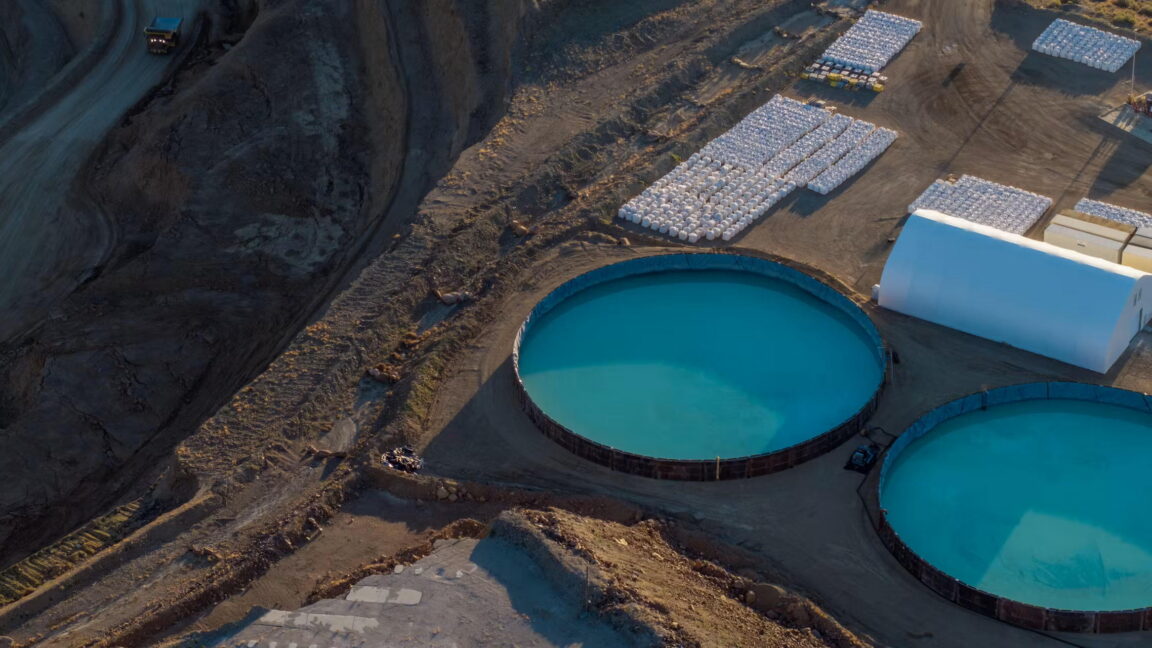
The United States' reliance on cheaper imports over several decades has left it heavily dependent on China for the processing of rare earth elements, materials that are essential to a wide range of modern technologies, according to an analysis of the supply chain's development.
Rare earths are used in products ranging from electric vehicle motors and wind turbines to smartphones and advanced defense systems. While the raw materials are mined in multiple countries, the processing and refining stage, which turns raw ore into usable industrial inputs, has become concentrated overwhelmingly in China.
A gradual handover
The shift did not happen suddenly. Over decades, American rare earth processing capacity was allowed to decline as cheaper Chinese-processed materials became widely available, making domestic processing facilities increasingly uncompetitive and leading many US operations to close or scale back.
That gradual handover has left the United States with limited domestic capacity to process rare earths independently of China, a vulnerability that has drawn growing attention from policymakers concerned about supply chain security for technologies central to both consumer electronics and national defense.
Rebuilding domestic processing capacity would require significant investment and time, given the specialized infrastructure and expertise involved. In the meantime, the analysis suggests China's dominant position in rare earth processing gives it substantial leverage over global supply chains that depend on these materials.
Sources
EGazette summarizes reporting from multiple sources; follow the links for the originals.
Comments
Loading comments…
Related articles
How a Chinese AI Model Was Persuaded to Ignore Its Safety Rules
A BBC Technology report examines how a Chinese AI model was manipulated into bypassing its safety guidelines and providing dangerous advice.
Ford CEO Jim Farley: Europe Is Too Late to Counter Chinese Automakers, but the U.S. Still Has Time
Farley said Chinese electric-vehicle makers have already outpaced European rivals, but argued the United States can still respond before losing the same ground.
ICC Assembly of States Parties to hold next session in The Hague, not New York
The International Criminal Court's annual assembly will relocate its upcoming session amid tensions with the United States.
Questions grow over Iraq's security future as US military presence ends
Analysts are examining whether Iraqi forces can manage security challenges as more than two decades of US military presence draws to a close.
Cuba Blames US Pressure for Worsening Crisis as Rubio Calls Island a 'Failed State'
Cuba's foreign minister says US measures are causing growing damage to Cuban families.

Iranian Security Official Says Trump 'Unable to Decide' on Conditions Conveyed by Tehran
Mohsen Rezaei, secretary of Iran's Supreme National Security Council, said Iran has communicated its terms to Washington.