AI Stock Swings Could Ripple Into 401(k) Accounts, CNBC Report Says
Financial news outlet CNBC says volatility in artificial-intelligence stocks may be affecting retirement savings, and outlines how savers can gauge their exposure without reacting hastily.

Swings in artificial-intelligence-related stocks could be affecting the retirement savings of many Americans, according to a report published by CNBC on Sept. 18, 2026.
The report says that because AI-linked companies have come to represent a significant portion of major stock indexes, movements in those shares can influence the value of 401(k) plans and other retirement accounts that are invested in broad market funds, even for savers who did not deliberately choose AI-focused investments.
CNBC notes that retirement savers should first determine how much of their portfolio is tied to AI-related companies before deciding whether any action is warranted. The outlet advises reviewing account statements and fund holdings to understand actual exposure, rather than assuming risk based on headlines alone.
According to the report, financial professionals generally caution against making abrupt changes to retirement accounts in response to short-term market volatility. Selling assets during a downturn can lock in losses and disrupt long-term investment strategies, the report says.
CNBC's report suggests that savers concerned about concentration in AI stocks consider reviewing their overall asset allocation and diversification, and consulting with a financial advisor if they are uncertain about their level of risk.
The report frames the guidance as a way for retirement savers to assess potential risk from AI market volatility while avoiding reactionary decisions that could affect their long-term financial goals.
Sources
- AI stock swings could affect your 401(k). Here’s what retirement savers need to know — CNBC — Top News
EGazette summarizes reporting from multiple sources; follow the links for the originals.
Related articles
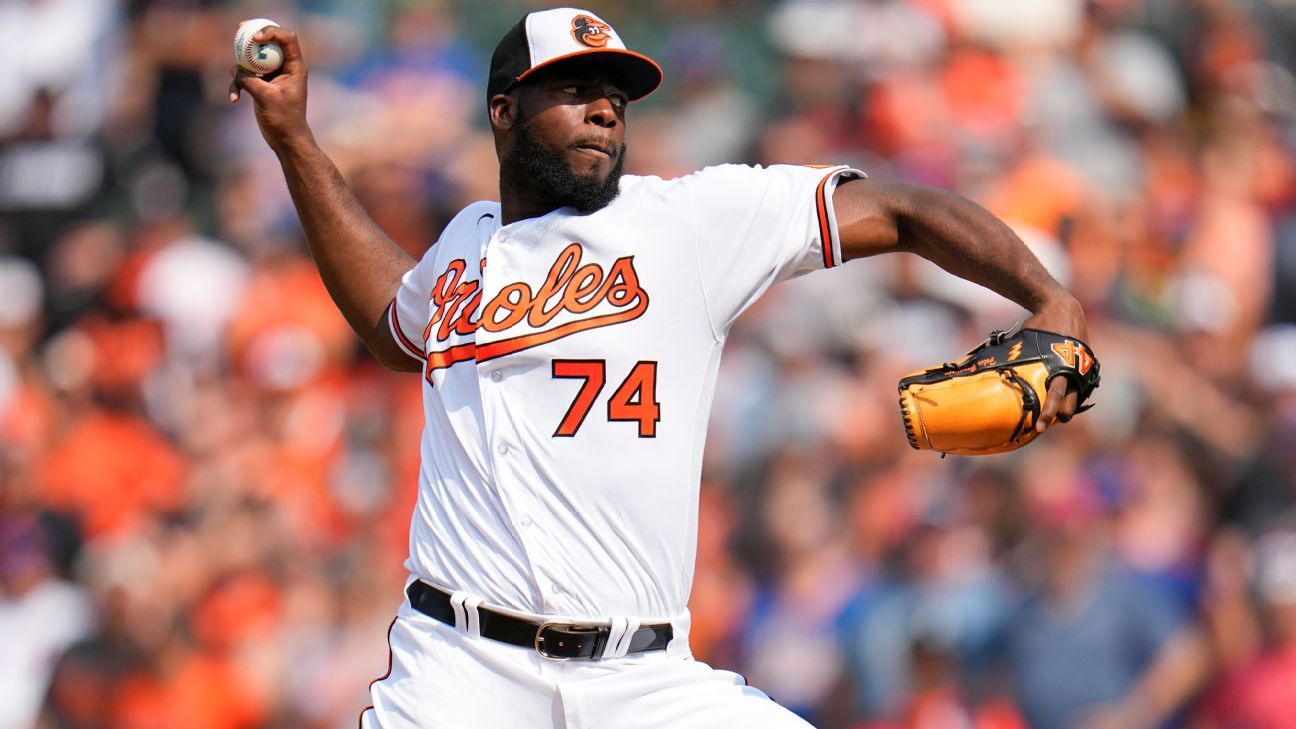
Orioles Activate Félix Bautista After 14-Month Absence; Trey Mancini Retires
Baltimore brings back reliever following shoulder surgery as former outfielder Trey Mancini signs a one-day contract to close out his career with the club.
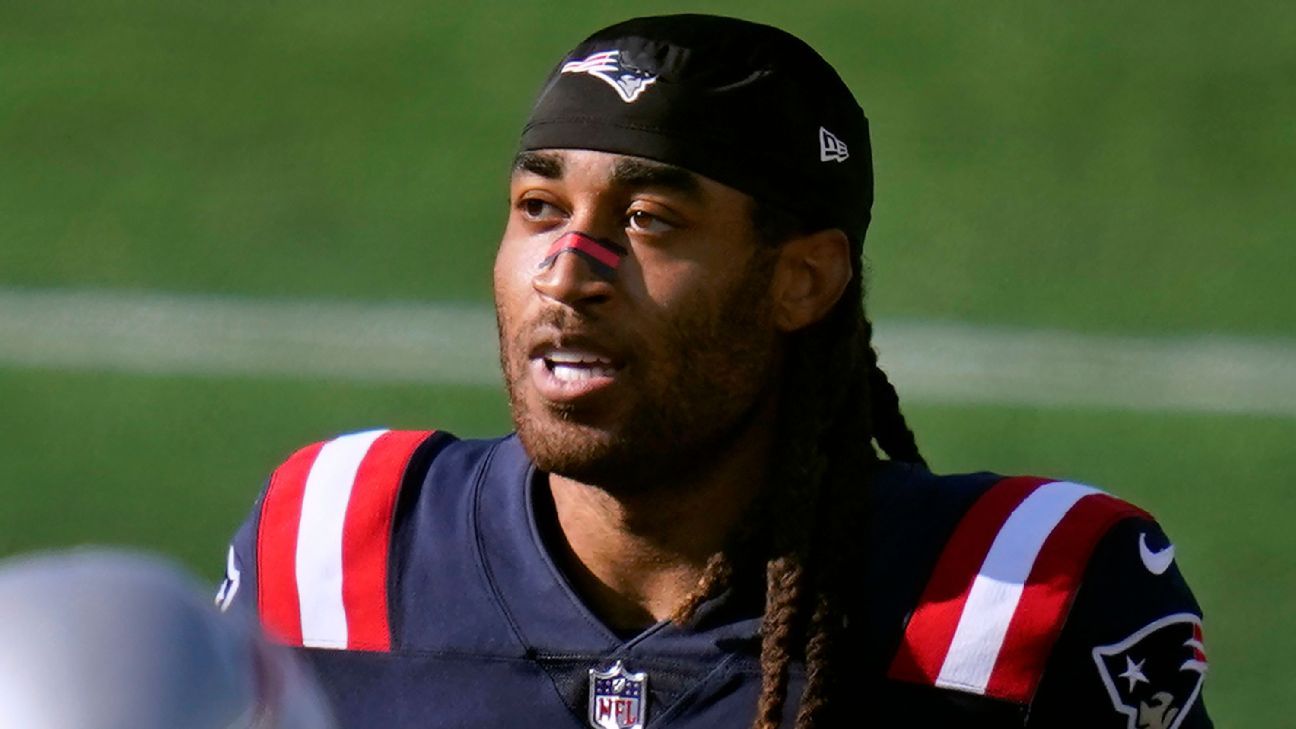
Stephon Gilmore to Retire as Member of Patriots After Signing One-Day Contract
The 2019 NFL Defensive Player of the Year and two-time All-Pro cornerback will conclude his career in New England, according to ESPN.
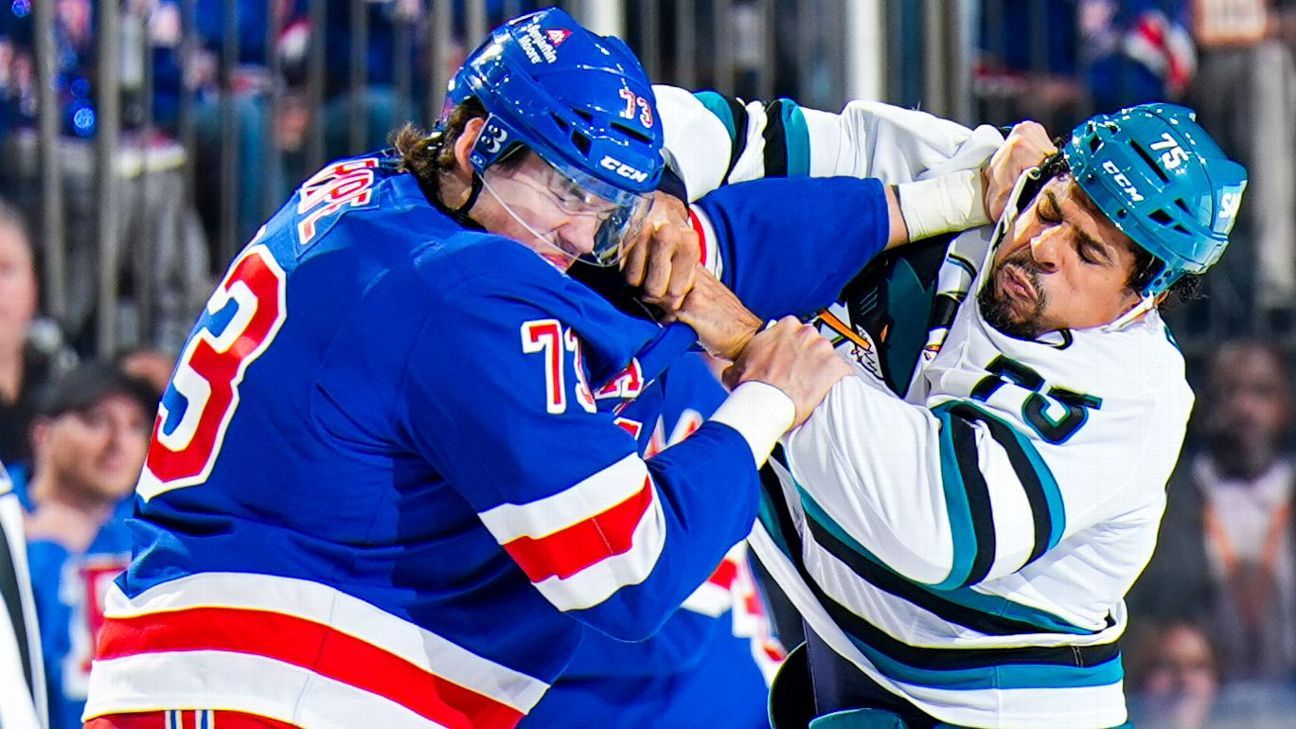
NHL Enforcer Ryan Reaves Announces Retirement at Age 39
Reaves' departure leaves the league with only three players who do not wear a visor, according to ESPN.

US Recalls Over a Billion Products in Six Months
A surge in product safety issues prompted widespread recalls across multiple industries in a half-year period.
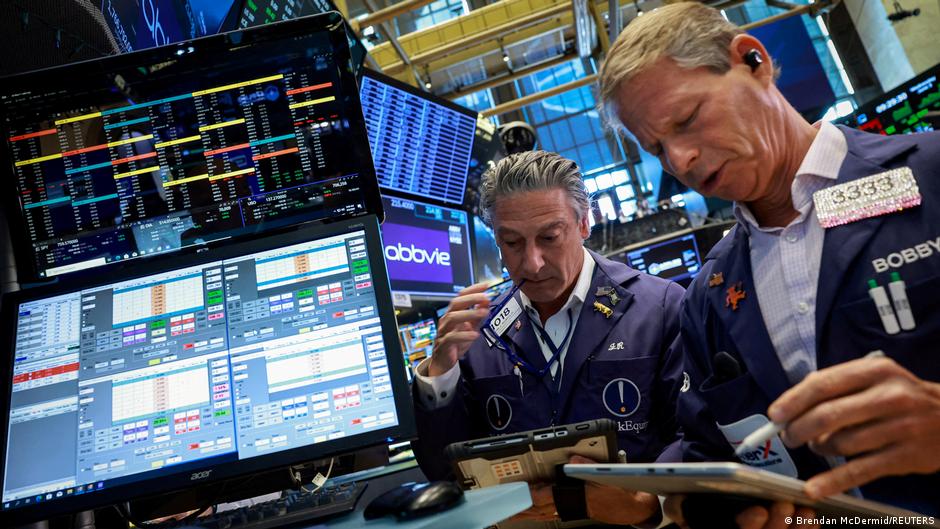
US National Debt Passes $40 Trillion as Era of Cheap Borrowing Ends, Report Says
A new report from Deutsche Welle examines whether investors will keep financing Washington's deficits as government debt levels reach unprecedented heights.

Stock Futures Edge Higher After Dow's Third Straight Losing Week
Wall Street looks to steady itself after a mixed week for major indexes, according to CNBC.
Comments
Loading comments…