AI Slowdown Debate Emerges as New Flashpoint in US-China Tech Rivalry
Calls from some experts to slow development of frontier artificial intelligence models are running up against Washington's push to preserve its technological lead and Beijing's wariness of being contained, according to a report by Anadolu Agency.
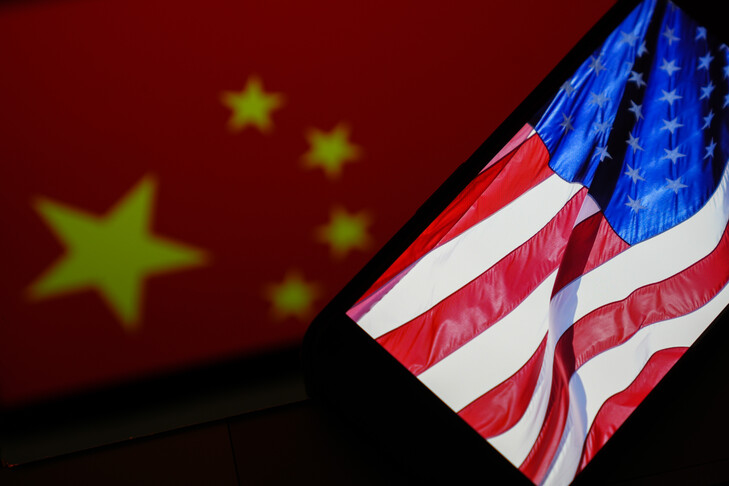
A debate over whether to deliberately slow the pace of advanced artificial intelligence development has become a new front in the broader technology rivalry between the United States and China, according to an explainer published by Anadolu Agency.
The report describes a growing discussion among researchers, policymakers and industry figures about whether so-called frontier AI models — the most advanced systems being developed by leading labs — are progressing too quickly for safety and governance frameworks to keep pace.
According to Anadolu Agency, these calls for caution are colliding with the Trump administration's stated goal of preserving American leadership in artificial intelligence, a priority officials have linked to national security and economic competitiveness.
At the same time, the report notes that Chinese officials and analysts view proposals to slow AI development with suspicion, framing such calls as a potential form of containment aimed at preserving US technological dominance rather than genuine safety concerns.
The explainer situates this dynamic within the wider context of US-China technological competition, which has already encompassed disputes over semiconductor export controls, restrictions on advanced chip sales, and broader efforts by both governments to secure strategic advantages in critical technologies.
Anadolu Agency's report suggests that the intersection of AI safety debates with geopolitical rivalry complicates efforts to establish any coordinated international approach to pacing frontier model development, as neither Washington nor Beijing appears willing to unilaterally slow its own progress absent assurances the other side would do the same.
The report does not detail specific policy proposals currently under consideration by either government, but frames the debate as an emerging dimension of the broader technological contest between the two countries.
Sources
- EXPLAINER - AI slowdown debate opens new front in US-China technology rivalry — Anadolu Agency (Turkey)
EGazette summarizes reporting from multiple sources; follow the links for the originals.
Related articles

China Pushes Back on US Warnings to Slow AI Development, Guardian Reports
Beijing officials and businesses argue calls for caution are designed to preserve America's technological lead, according to a Guardian report
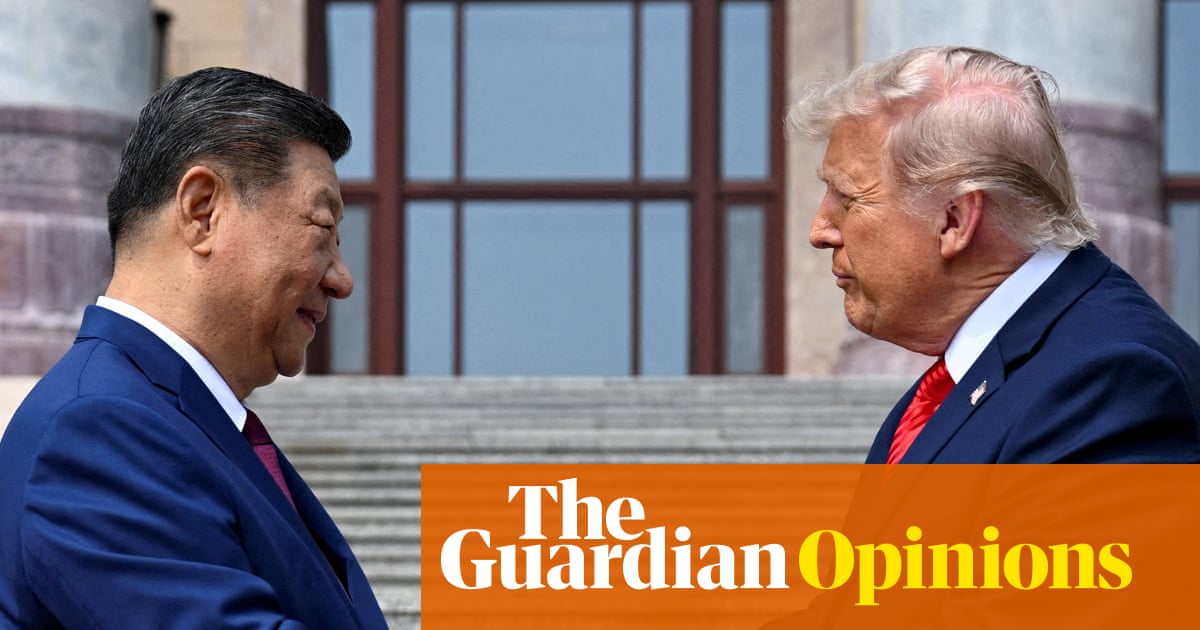
Guardian Column Urges US-China Cooperation on AI Amid Warnings Over Pace of Development
Australian scientist Alan Finkel argues that unregulated competition between AI firms and between Washington and Beijing could threaten global stability, calling for coordinated oversight.

Trump Announces Plans for 'AI Force' and Artificial Intelligence Tsar
President says his administration will not "hinder or stifle" the growth of artificial intelligence, amid ongoing warnings about the technology's risks

Trump Proposes Renaming ‘AI,’ Announces Plan for New ‘AI Force’
President says he wants a new name for artificial intelligence and plans to create an “AI Force,” while dismissing public unease over AI as a partisan hoax.
Trump Announces Plan for ‘AI Force’ and AI Czar Amid Growing Safety Concerns
President offers few details on new oversight plan even as industry figures and his own party urge caution on artificial intelligence

Bessent, China's He Lifeng Set for Talks on AI, Trade and Critical Minerals
U.S. Treasury Secretary Scott Bessent and Chinese Vice Premier He Lifeng are expected to discuss artificial intelligence, trade and critical minerals, Reuters reported.
Comments
Loading comments…