Africa's Richest Man Helps Fund $660m Ethiopia-Djibouti Fuel Pipeline
The project is intended to boost energy security for landlocked Ethiopia while creating jobs at Djibouti's port.

A $660 million fuel pipeline linking Ethiopia and Djibouti is being funded in part by Africa's richest man, according to a report by the BBC.
The pipeline is designed to strengthen energy security for Ethiopia, a landlocked country that relies heavily on neighbouring Djibouti for access to sea routes and imported fuel. It is also expected to create jobs connected to operations at Djibouti's port, which serves as a critical trade gateway for Ethiopia.
Regional Energy Infrastructure
Ethiopia, with a population exceeding 120 million people and one of Africa's fastest-growing economies, has long faced logistical challenges tied to its lack of direct sea access. Djibouti, situated on the Bab-el-Mandeb strait, has developed into a key transit hub for goods moving in and out of Ethiopia, including fuel supplies.
Pipeline infrastructure of this scale is typically intended to reduce reliance on road-based fuel transport, which can be slower and more vulnerable to disruption. Further details on the project's construction timeline, the specific companies involved beyond the financing role described, and the expected completion date were not included in the available reporting.
The involvement of prominent private investors in African infrastructure projects has become increasingly common as governments seek to close funding gaps for large-scale energy and transport initiatives across the continent.
No additional financial or technical details of the pipeline agreement were disclosed in the source report.
Sources
- Africa's richest man helps fund $660m fuel pipeline between Ethiopia and Djibouti — BBC News — World
EGazette summarizes reporting from multiple sources; follow the links for the originals.
Related articles

Diamer Basha Dam Project Reaches Milestone as Pozzolan Extraction Begins
Pakistani officials say extraction and transport of pozzolan material from Gini has started, a key step toward the dam's main structure.
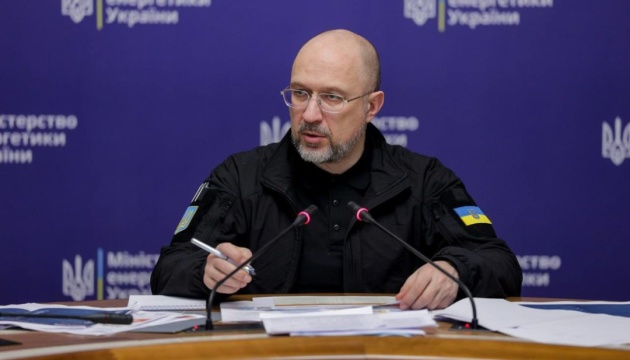
Ukraine Says It Has Detailed Plans of Expected Russian Attacks on Energy Sector This Winter
The country's energy minister said Russia has prepared a detailed plan to strike power generation, heating and water infrastructure.

Tatneft Boosts Oil Production 6.7% in First Half of 2026 to 14.32 Million Tons
The Russian oil company also produced 7.98 million tons of petroleum products and 518,000 tons of gas products in the first half of the year, according to TASS.
EU Energy Chief Warns Winter Could Highlight Cost of Rejecting Russian Energy
Dan Jorgensen said Europe could face its worst winter since 2022 amid record energy prices and possible supply disruptions from the US, TASS reports.
Russian Ambassador Says Questions Remain Over Who Ordered Nord Stream Blasts
Sergey Nechayev said the issue is being pushed out of public attention, according to Russian state media.
Russian Official Says Germany's Rejection of Russian Gas Drove Fivefold Price Surge Over Five Years
Security Council Deputy Secretary Alexey Shevtsov said the shift away from Russian gas contributed to economic stagnation, recession and job losses in Germany, according to TASS.
Comments
Loading comments…