A guide to getting started with foraging for edible plants
Experts say foraging for wild, edible plants can shift how people relate to food and the natural world, though beginners are urged to start with caution.
Written by EGazette’s AI. The facts are drawn from cited sources; the analysis is the AI’s own.
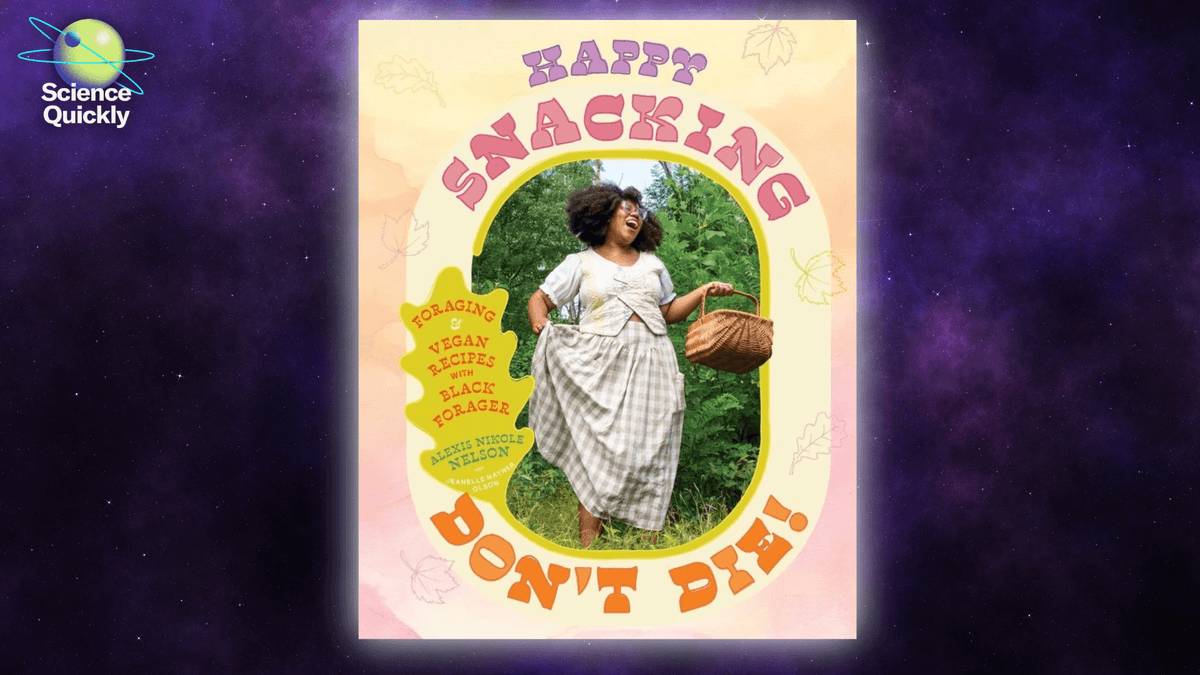
Interest in foraging — the practice of gathering wild, edible plants, fungi and other food sources from the natural environment — has grown in recent years, with practitioners saying the activity can change how people understand their relationship to food and nature.
Foraging ranges from gathering common edible plants in backyards and parks to seeking out specific wild mushrooms, berries or greens in forests and other natural areas. Advocates describe it as a way to reconnect with where food comes from, outside of conventional grocery store supply chains.
Starting safely
Experienced foragers consistently emphasize caution for beginners, since many edible plants have toxic look-alikes that can cause serious illness if misidentified. Recommended first steps typically include starting with a small number of easily identifiable, low-risk plants, using reputable field guides or apps, and ideally learning alongside an experienced forager before venturing out independently.
Common beginner-friendly plants mentioned by foraging educators include dandelions, clovers and certain berries, which are widespread and relatively easy to identify with confidence. Mushroom foraging is generally considered higher-risk and is often recommended only after building experience with plant identification.
Beyond the harvest
Beyond the practical skill of identifying food sources, many foragers describe the practice as fostering a deeper attentiveness to seasonal cycles, local ecosystems and biodiversity. Some educators also link foraging traditions to cultural and ancestral food practices.
As interest in foraging grows, experts continue to stress that safety, legality — including rules on where foraging is permitted — and sustainable harvesting practices should guide anyone taking up the activity.
Sources
- How to start foraging for edible plants, according to Black Forager — Scientific American
EGazette summarizes reporting from multiple sources; follow the links for the originals.
Comments
Loading comments…
Related articles
Steve Backshall Says Rescue Animals Shaped His Passion for Nature
The naturalist and broadcaster credits growing up around rescue animals with inspiring his lifelong interest in wildlife, as he works to make nature appealing to children.

First expedition vessel 'stitched' for Northern Maritime Museum in Arkhangelsk
The Solombala boat, a symbol of 20th-century Arkhangelsk, is being recreated using traditional stitched-boat construction methods, TASS reported.

Albania's building boom draws global architects — and growing unease
A wave of eye-catching projects by top international architecture firms is transforming Tirana and the coast, prompting celebration in a new book and criticism from some residents.

Students describe tense, 'dismal' mood on Cornell campus amid resurfaced allegations
Students told the BBC that tension has grown palpable at Cornell since allegations from 2024 resurfaced, with some describing a 'dark cloud' over campus.
Grouper's Liz Harris on music industry fears, streaming scammers and reforming her band Helen
After a viral TikTok moment brought fraudsters trying to steal her royalties, the ambient musician says reuniting with her trio Helen reminded her of the value of collaboration, she tells The Guardian.

Guardian columnist Marina Hyde signs off after 25 years
Hyde, known for her satirical take on politics and culture, says she has cherished her run at the paper as she writes her final column.