A guide to getting started with foraging for edible plants
Experts say foraging for wild, edible plants can shift how people relate to food and the natural world, though beginners are urged to start with caution.
Written by EGazette’s AI. The facts are drawn from cited sources; the analysis is the AI’s own.
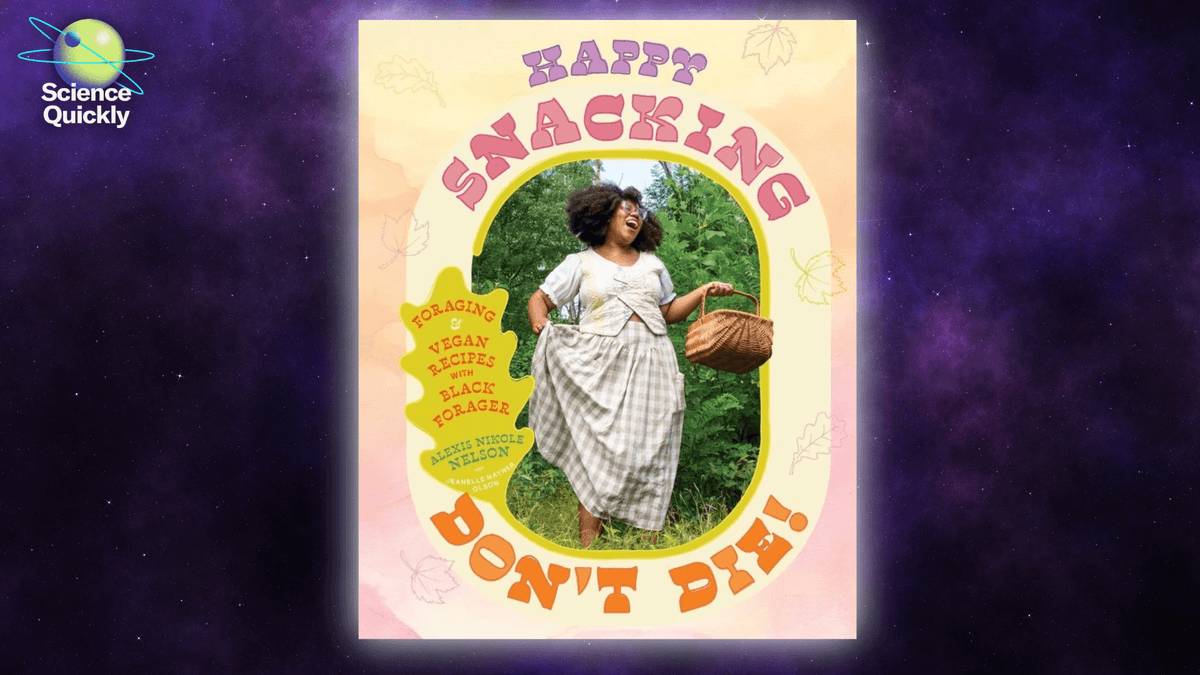
Interest in foraging — the practice of gathering wild, edible plants, fungi and other food sources from the natural environment — has grown in recent years, with practitioners saying the activity can change how people understand their relationship to food and nature.
Foraging ranges from gathering common edible plants in backyards and parks to seeking out specific wild mushrooms, berries or greens in forests and other natural areas. Advocates describe it as a way to reconnect with where food comes from, outside of conventional grocery store supply chains.
Starting safely
Experienced foragers consistently emphasize caution for beginners, since many edible plants have toxic look-alikes that can cause serious illness if misidentified. Recommended first steps typically include starting with a small number of easily identifiable, low-risk plants, using reputable field guides or apps, and ideally learning alongside an experienced forager before venturing out independently.
Common beginner-friendly plants mentioned by foraging educators include dandelions, clovers and certain berries, which are widespread and relatively easy to identify with confidence. Mushroom foraging is generally considered higher-risk and is often recommended only after building experience with plant identification.
Beyond the harvest
Beyond the practical skill of identifying food sources, many foragers describe the practice as fostering a deeper attentiveness to seasonal cycles, local ecosystems and biodiversity. Some educators also link foraging traditions to cultural and ancestral food practices.
As interest in foraging grows, experts continue to stress that safety, legality — including rules on where foraging is permitted — and sustainable harvesting practices should guide anyone taking up the activity.
Sources
- How to start foraging for edible plants, according to Black Forager — Scientific American
EGazette summarizes reporting from multiple sources; follow the links for the originals.
Comments
Loading comments…
Related articles
A Photographer Reflects on What a Wolf Encounter Reveals About Modern Life
A brush with the wild exposes what modern life no longer asks of people, according to a new feature.

New Free Repair Shop to Launch in Oxford
Organisers behind the initiative hope enough interest will allow the free repair service to continue on a monthly basis.
Keurig's New Machine Uses Plastic-Free Compressed Coffee Pucks
The Keurig Alta system replaces traditional pod materials with plant-based coated AltaRounds, aiming to cut plastic and aluminum waste.

Steve Backshall Says Rescue Animals Shaped His Passion for Nature
The naturalist and broadcaster credits growing up around rescue animals with inspiring his lifelong interest in wildlife, as he works to make nature appealing to children.
Dolly Parton's Welsh-language recording of "Jolene" released after her death
Her niece Jada Star and Welsh singer Bronwen Lewis say Parton was proud to have recorded the country classic in Welsh.
New play explores John Maynard Keynes's double life as economist and art collector
The production revisits the Bloomsbury-linked economist's enduring rivalry with Friedrich Hayek and his wartime trip to buy impressionist art for Britain.