50 Years After His Death, Mao Zedong's Legacy Still Shapes China
Five decades on, historians and commentators say the influence of Mao Zedong's era continues to be felt across Chinese politics and society, according to a report by Deutsche Welle.
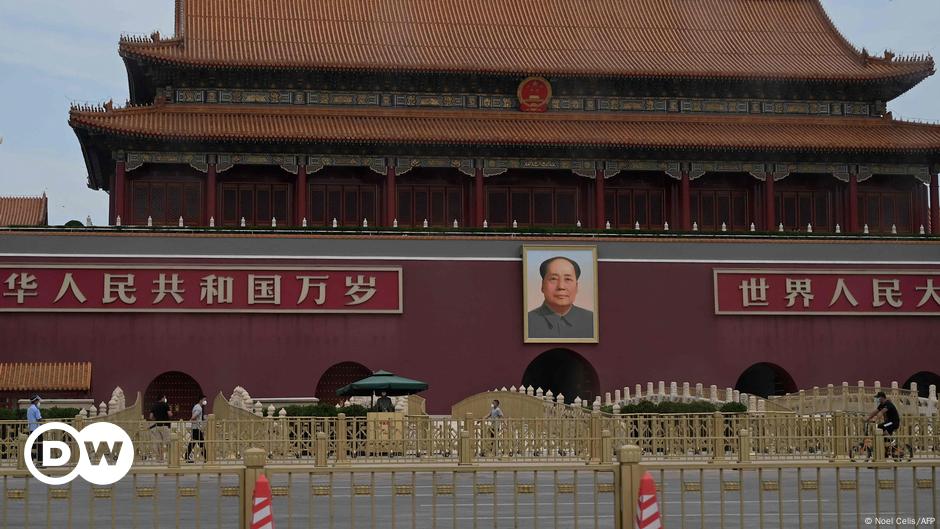
Fifty years after his death, Mao Zedong remains one of the most influential and most controversial figures in 20th-century Chinese history, according to a report published by Deutsche Welle.
Mao, who led the Chinese Communist Party to victory in 1949 and served as the country's paramount leader until his death, oversaw sweeping political and social campaigns that reshaped Chinese society. DW's report notes that even five decades after his passing, the legacy of his era continues to influence China today.
The report describes Mao as a figure whose impact on modern China is difficult to overstate, while also acknowledging the deep controversy that surrounds his rule and its consequences.
DW's coverage frames the anniversary as an occasion to examine how Mao's ideas, policies, and image continue to resonate in contemporary Chinese politics, culture, and public memory, though the report does not detail specific commemorations or official events tied to the anniversary.
The Chinese Communist Party has historically maintained an official assessment of Mao that credits him with major achievements while acknowledging errors during his leadership, a balance that continues to inform how his legacy is presented in China.
Sources
- 50 years after his death, Mao still shapes China — Deutsche Welle — English
EGazette summarizes reporting from multiple sources; follow the links for the originals.
Related articles

State Funeral Held in Hong Kong for First Post-Colonial Leader Tung Chee-hwa
Officials and dignitaries gathered to honour Tung Chee-hwa, who served as Hong Kong’s first Chief Executive after the 1997 handover from British rule.
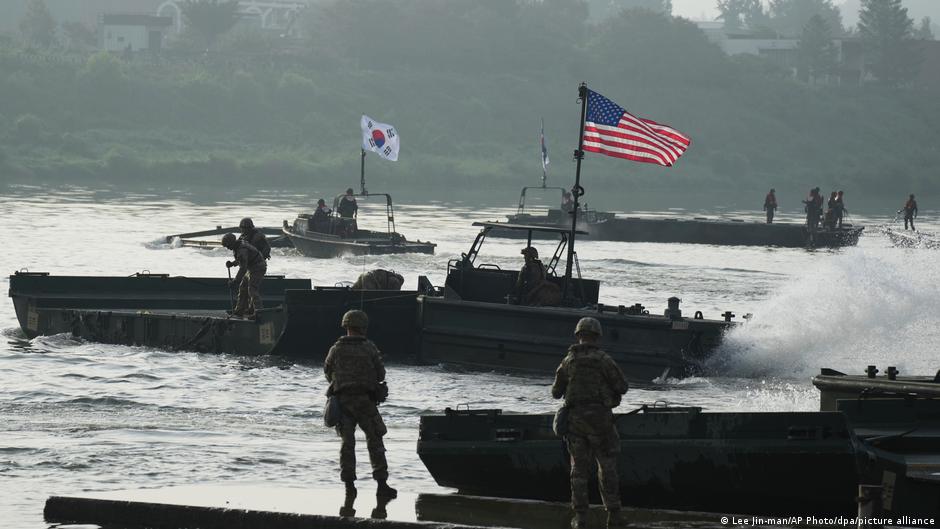
US Allies in Asia Voice Concern Over Think Tank's Call for Pacific Pullback
A US think tank's proposal to scale back American military presence in the western Pacific has unsettled regional allies, with analysts warning it could weaken deterrence against China.
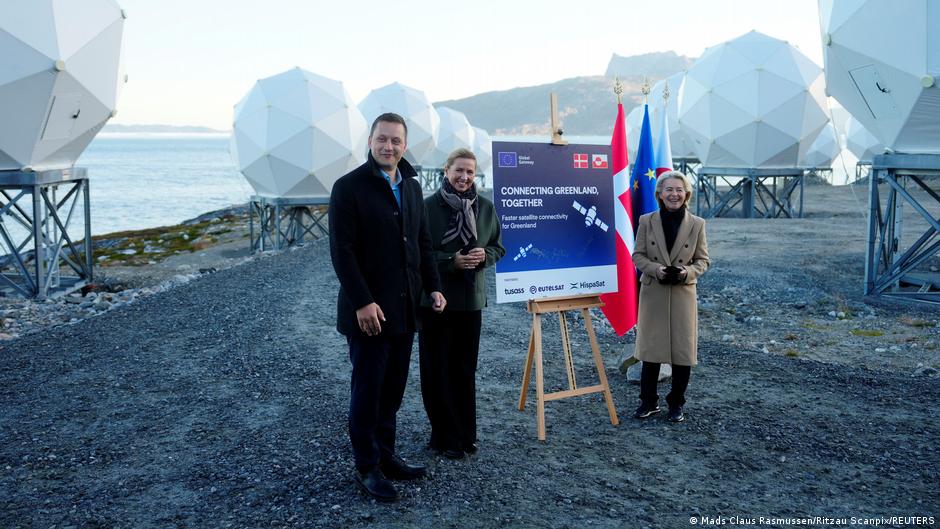
Denmark Keeps Details of Anticipated Greenland Agreement with Washington Under Wraps
Copenhagen refuses to disclose agreement terms with the United States, amid diverging portrayals by both parties

Australia appoints new diplomats to key posts in Cairo, Port Moresby, Dili, and New York
Foreign minister Penny Wong announces diplomatic appointments as part of efforts to strengthen Australia's international engagement.
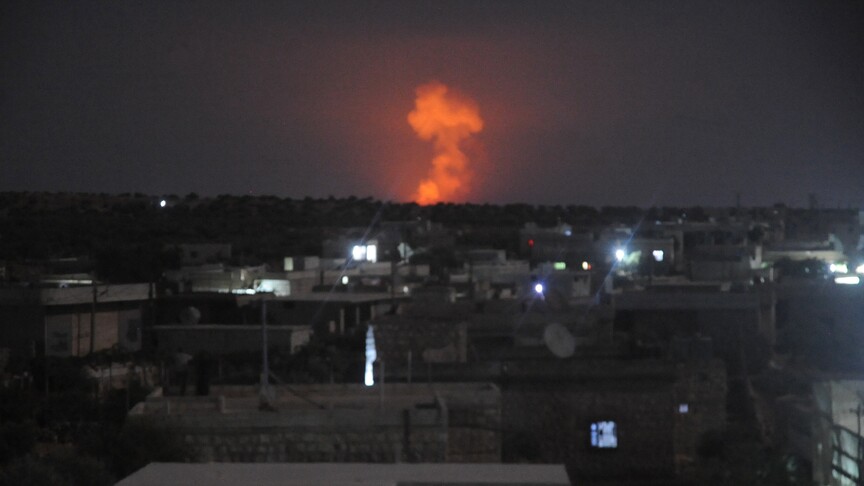
Powerful Explosions Reported in Syria's Aleppo Countryside
Blasts were heard in the town of Al-Eis, with local sources attributing them to a Defense Ministry ammunition depot, according to state media.

Six Pakistani soldiers, including two officers, killed in clash near Afghan border
Pakistan's military announces deaths of its personnel in Hangu area of Khyber Pakhtunkhwa amid escalating border violence.
Comments
Loading comments…