China Launches 18 Satellites in Single Day to Compete with Starlink
Beijing sends new batch of Qianfan satellite network satellites into space, reflecting accelerated efforts to build massive satellite internet network rivaling U.S. Starlink
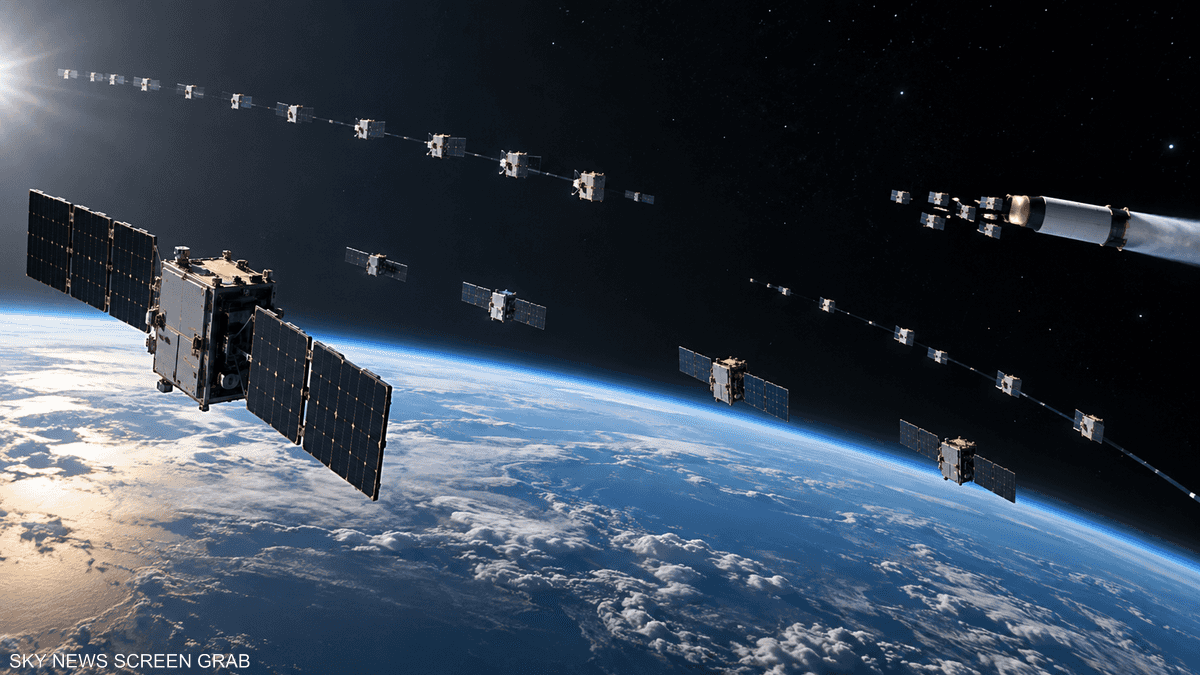
China launched 18 new satellites for its Qianfan network in less than 24 hours, a move described in reports as a significant acceleration in Beijing's efforts to construct a massive constellation of satellites dedicated to internet services.
These launches come as China seeks to catch up with the lead held by American company Starlink, operated by billionaire Elon Musk, which currently represents the world's most prominent satellite internet provider using low-Earth orbit satellites.
Through the Qianfan project, Beijing aims to send thousands of satellites into space to form a global communications network, attempting to narrow the gap with American companies that currently dominate this sector.
Observers see the recent acceleration in the pace of Chinese launches as reflecting Beijing's determination to strengthen its position in the commercial space race, which is witnessing increasing competition among nations and major companies for control of low-Earth orbit slots and satellite internet services.
Sources
- 18 قمرا في يوم.. هل تهدد الصين عرش "ستارلينك"؟ — Sky News Arabia — Technology
EGazette summarizes reporting from multiple sources; follow the links for the originals.
Related articles

Ukrainian Jet-Powered Interceptor Passes Key Tests, Reserves Speed to Engage Targets, Ukrinform Reports
A Ukrainian-made jet-powered interceptor has demonstrated sufficient speed reserves during testing to engage a range of aerial targets, according to Ukrainian news agency Ukrinform.

Trump Says US Will Create an ‘AI Force’ Modeled on Space Force
The US president did not specify whether the initiative would involve establishing a new branch of the armed forces, according to TASS.

TechCrunch Sets Sept. 25 Deadline for Discounted Disrupt 2026 Tickets
Early ticket pricing for the annual technology conference is set to expire in six days, according to TechCrunch.

China Pushes Back on US Warnings to Slow AI Development, Guardian Reports
Beijing officials and businesses argue calls for caution are designed to preserve America's technological lead, according to a Guardian report

Homoglyph attacks: how scammers use nearly identical URLs to steal credentials
Fraudsters are exploiting character substitution—replacing Latin letters with lookalike Cyrillic or other Unicode characters—to create fake websites that pass casual inspection.

Australia's PM Asks Apple's Tim Cook to Back Online Safety, AI Rules
Anthony Albanese urges big tech support for Canberra's internet safety and artificial intelligence regulations, according to Al Jazeera.
Comments
Loading comments…