ScienceReported
NASA Selects SpaceX to Launch StarBurst Gamma-Ray Detector
The small satellite mission will study neutron star mergers and short gamma-ray bursts, launching on a Falcon 9 rocket from Florida.
· 1 min read
The small satellite mission will study neutron star mergers and short gamma-ray bursts, launching on a Falcon 9 rocket from Florida.
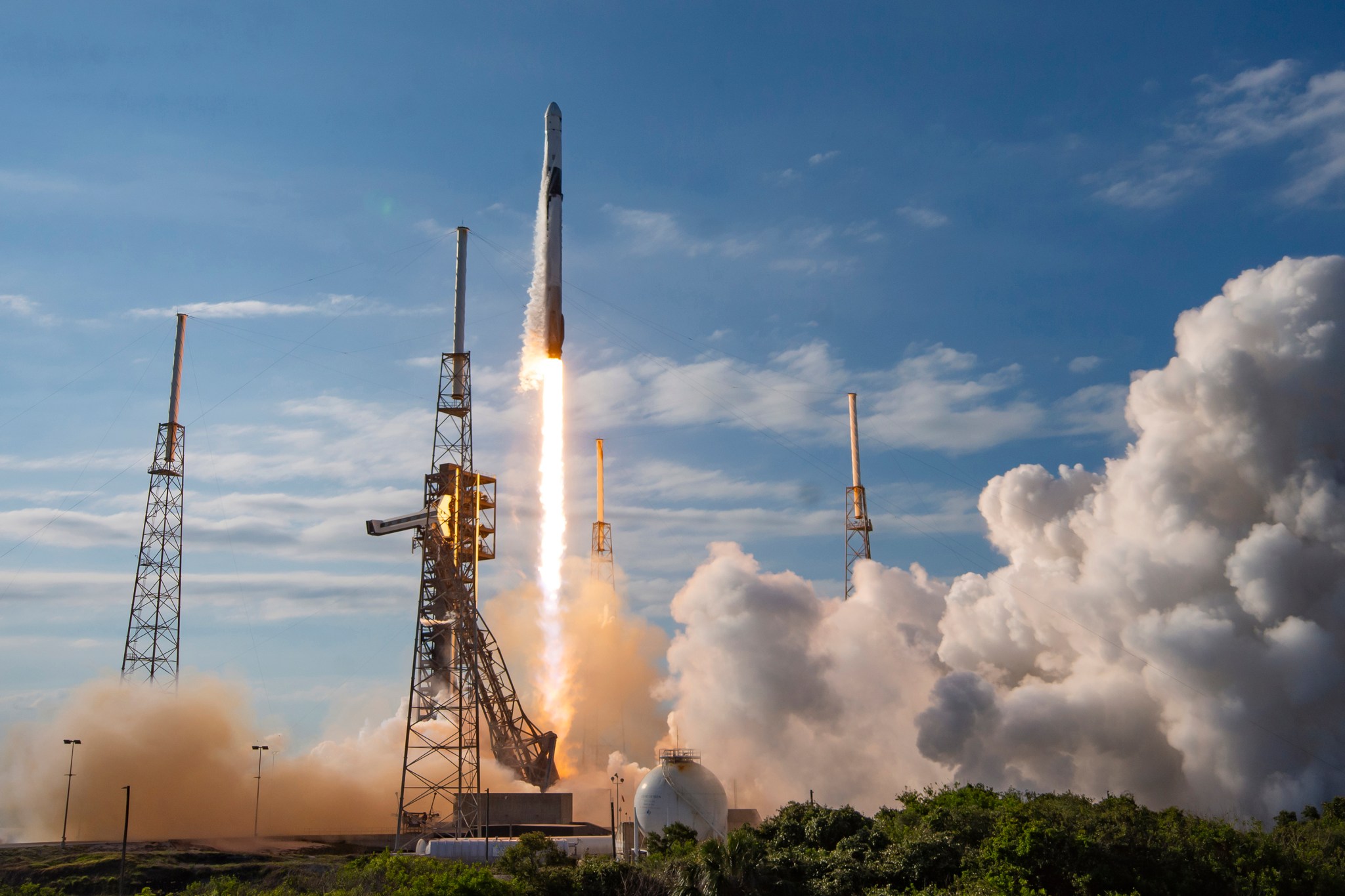
NASA and SpaceX are targeting no earlier than October for the launch of a Falcon 9 rocket carrying science experiments, supplies and equipment to the International Space Station.
The venture firm, a long-time backer of Elon Musk’s ventures, is returning value to its limited partners through stock rather than cash payouts, according to TechCrunch.

Financial news outlet CNBC reported on companies seeing notable trading activity around midday, according to its markets coverage.
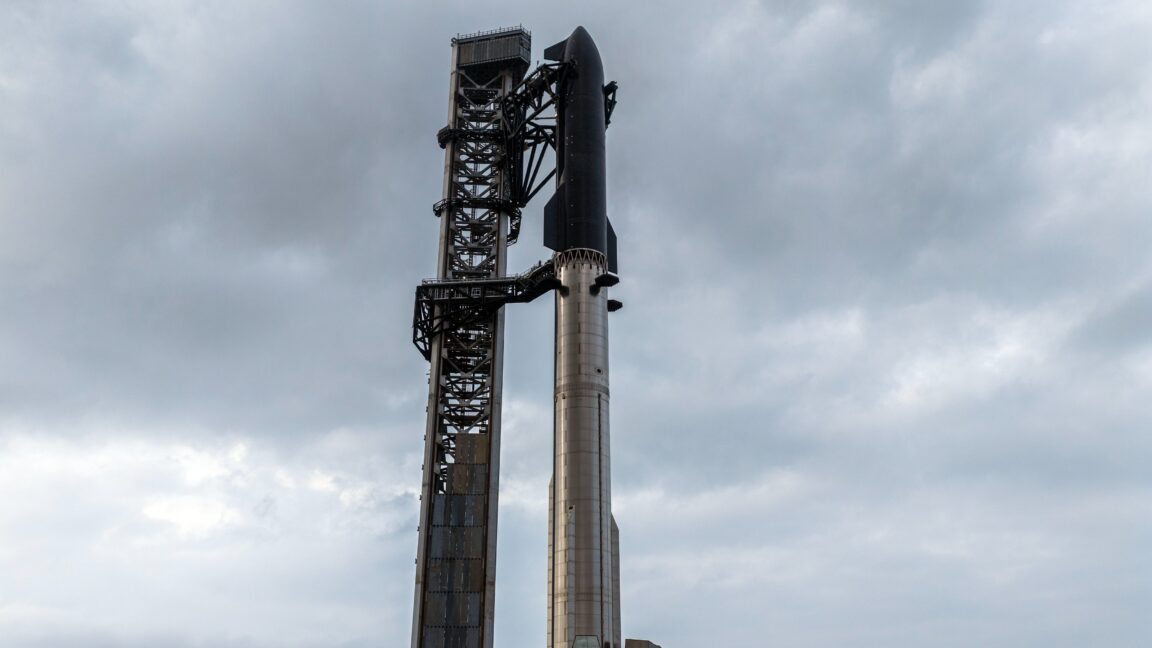
The company reports its next-generation rocket has cleared final reviews ahead of an attempt to reach orbit, a milestone yet to be achieved by the Starship program.
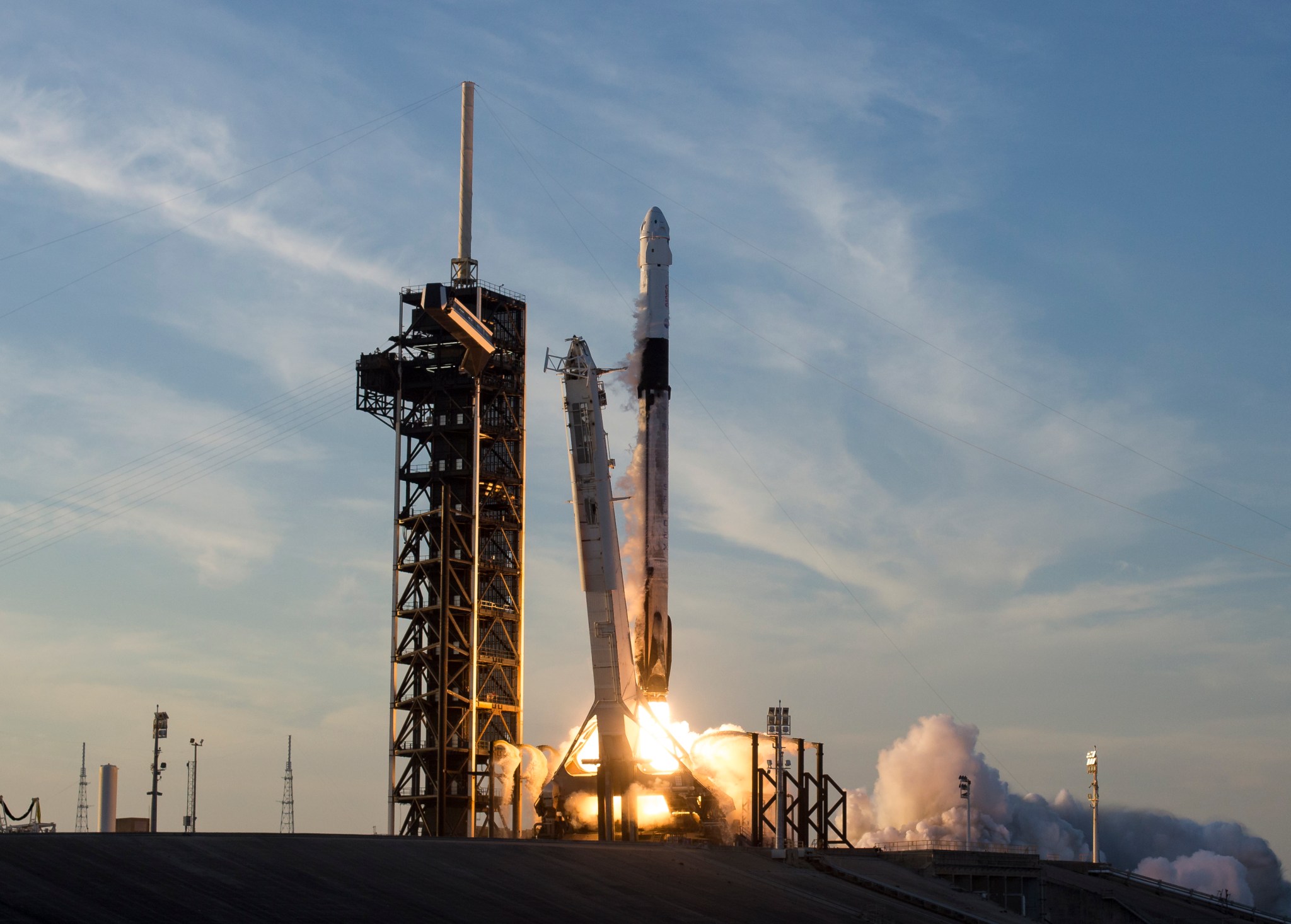
Contract modification extends SpaceX’s role in ferrying astronauts to the International Space Station under NASA’s Commercial Crew Program
The mission will also mark the first attempt to deploy next-generation V3 Starlink satellites, according to a TechCrunch report.

The extension adds three additional Crew Dragon missions to an existing NASA contract, according to a CNBC report.

The research firm said it expects SpaceX to overcome a key operational bottleneck by successfully reusing its Starship launch vehicles, according to CNBC.

The startup says the new Series E financing will support efforts to reach orbit and develop a larger rocket, positioning it as a potential competitor to SpaceX in rocket reusability.

CNBC reports that alternative energy company Bloom Energy has drawn heavier options trading than SpaceX-related instruments, as crude oil prices and energy stocks climb.

A CNBC report outlines what it describes as four major obstacles facing the concept of placing data centers in orbit, alongside an ambitious timeline attributed to Elon Musk.

Isar Aerospace's second test flight marked its first successful orbital launch, as the SpaceX rival looks to ramp up production amid rising satellite launch demand, CNBC reported.

French-German startup says the funding is the largest-ever Series C for a European space company as it seeks to compete with SpaceX.
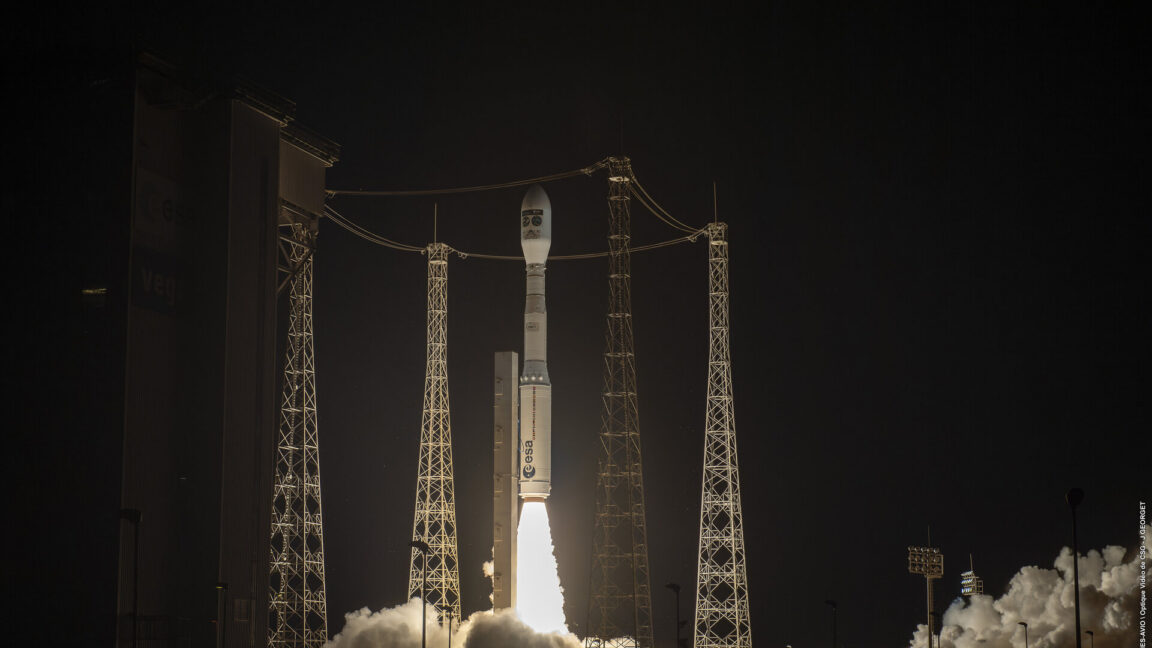
Ars Technica's weekly Rocket Report touches on China's reported interest in SpaceX's Raptor 3 engine, an upcoming major Starship test, questions over United Launch Alliance's future, and the Falcon 9 family's 700th launch.